Thinking about Fleet Leasing? See the advantages of fleet technology

Thinking about Fleet Leasing? See the advantages of fleet technology

Did you know that not every fleet owns the vehicles it uses?

Although it may seem unlikely, it's actually a case of fleet leasing. Think of it as renting a car, but on a larger scale and for longer.

Intrigued? Read on to learn more about fleet leasing, how it works and whether you should consider leasing your fleet vehicles.

In this article, you will:

  • Learn what fleet leasing is
  • Discover what makes the two types of fleet leasing so different
  • Dig into the benefits of fleet leasing
  • Explore how fleet management is the secret to optimised fleet leasing
  • Discover how the solutions from Cartrack Mozambique are the key to simplifying fleet leasing

What is fleet leasing?

Fleet leasing refers to an agreement between a business and a fleet owner, where the fleet gains access to the fleet vehicles in exchange for a monthly fee without taking ownership of them. This may sound similar to passenger vehicle rental but, unlike typically brief rental periods, fleet leasing lasts around 2 to 5 years.

Depending on your business's needs, fleet leasing can involve a variety of vehicles, including trucks and vans.

What are the different types of fleet leasing?

Fleet leasing can be open-end or closed-end. What do we mean? Let's explore them in more detail:

Open-end leasing:

Open-end leasing is when the fleet owner is responsible for the vehicle's residual risk, which means there is a chance you will owe more money than the car's actual value at the end of your lease. This happens when the vehicle depreciates faster than expected and, at the end of the lease term, the fleet manager needs to buy or return the vehicle. If the vehicle's value exceeds the residual value, the fleet manager can also sell it at a profit.

Think of open-end leasing as renting a car for a long period, but with a difference. Although you agree to make scheduled repayments, you and the company share responsibility for the vehicle's final value.

Three key features of open-end fleet leasing include:

  1. Lower monthly payments, but higher risk: With open-end fleet leasing, your monthly payments are lower. However, you face a higher risk because you are responsible for any difference between the vehicle's estimated residual value and its actual future market value.
  2. Unlimited mileage: Unlike closed-end leasing, you have access to unlimited mileage, making it the ideal choice for fleets with higher and more unpredictable mileage requirements.
  3. Maintenance and repairs: As the fleet manager, you are responsible for the maintenance and repairs of the leased fleet vehicles.

Now that we have a clearer understanding of open-end leasing, let's take a look at its advantages and disadvantages:

Advantages of open-end leasing:

  • Upfront costs are lower: Monthly payments are typically lower, allowing you to free up funds for other business needs.
  • Flexibility in terms of mileage: There are no fixed mileage limits, giving businesses the freedom to handle the unpredictable driving needs and patterns that can come with fleet operations.
  • The opportunity of ownership: Fleet managers can purchase these vehicles at the end of the lease period.

Disadvantages of open-end leasing:

  • Increased management burden: Managers must be more involved in basic fleet administration tasks, including vehicle maintenance and repair.
  • Unpredictable costs: The final cost of the leased vehicle's value depends on the market, which makes budgeting a challenge.

Closed-end leasing:

Closed-end leasing offers more predictability than open-end leasing. Unlike open-end leasing, where the fleet manager is responsible for the vehicle's residual risk, closed-end leasing requires the provider to take on this responsibility. So, at the end of the lease term, the vehicle can be returned with no worries about selling it or possible depreciation, thanks to a set residual value. In short, closed-end leasing involves predictable costs and use within the agreed terms.

3 key features of closed-end leasing:

  1. Fixed monthly payments: These are fixed for the entire lease term, so you don't need to worry about fluctuations in market values.
  2. Specific mileage limits: you need to stay within these limits and, if you exceed them, you must pay excess charges per kilometre
  3. You don't need to worry about the final value: The vehicle's final value is not your responsibility as long as it is returned in good working order.

Sounds pretty simple, right? Now let's look at the advantages and disadvantages of this fleet leasing option.

Advantages of closed-end leasing:

  • No maintenance worries: The lessor is usually responsible for the vehicle's maintenance and repair during the lease term, which saves your business time and money.
  • More chances to upgrade: Thanks to the shorter lease periods, you can keep your fleet up to date, always ensuring access to the latest vehicle technology.
  • Simplified budgeting: Thanks to the fixed monthly payments, you can estimate your fleet budget accurately and streamline your financial planning.

Disadvantages of closed-end leasing:

  • Higher monthly payments: Because of the fixed repayments and the fact that the lessor takes on more risk, monthly payments can be slightly higher compared with open-end leases.
  • Mileage restrictions: Mileage restrictions can be harmful to a fleet's budget, since exceeding them leads to costly charges.
  • No ownership opportunities: Unlike open-end leases, businesses don't have the option of buying the vehicles they used at the end of the lease period.
Desvantagens_do_arrendamento_fechado

Open-end vs closed-end fleet leasing

Let's look at some important differences between the two fleet leasing options:

Feature Open-end leasing Closed-end leasing
Mileage allowance Usually unlimited Usually limited
Monthly payments Usually low Usually high
Maintenance and repairs The lessee's responsibility The lessor's responsibility
Residual value Estimated from the final market value, and the lessee's responsibility The lessor's responsibility
Management burden Requires more involvement from the lessee in tracking mileage and managing maintenance The lessor's responsibility

The 4 main benefits of fleet leasing you need to know

Fleet leasing can benefit a fleet business in several ways. Let's explore some of them:

  1. Better vehicle maintenance: Depending on the type of fleet lease agreement you choose, your fleet lessor may include repair and maintenance services in the lease agreement, which reduces labour costs and frees up resources for other business needs, while ensuring the vehicles are running well.
  2. Greater flexibility: Fleet leasing allows businesses to easily adjust the size and composition of their fleet based on varying demands, such as peak seasons or changes in staff numbers. This flexibility equips fleets for their specific roles, increasing profits and saving money outside peak seasons.
  3. Reduced administrative responsibilities: Fleet leasing companies take care of many of the administrative tasks associated with managing a fleet of vehicles, such as vehicle registration and licensing. By outsourcing much of the vehicle monitoring, maintenance and compliance to the leasing company, fleet managers can reduce operational strain and free up resources that support the fleet's growth.
  4. Scalability: Scalability in fleet leasing is a fleet's ability to expand its capacity and capabilities efficiently, adding vehicles and improving operational processes to handle more tasks without compromising efficiency. By eliminating large upfront costs and management burdens, fleet leasing can help unlock the flexibility to scale a fleet up or down as needed.

The secret to optimised fleet leasing: it's fleet management

Fleet management is the process of keeping a fleet of vehicles running smoothly. It involves a range of tasks that increase the fleet's efficiency, reduce its running costs and promote its overall safety . Fleet managers oversee these goals and make management decisions, including vehicle acquisition, maintenance, fleet monitoring and fuel management.

How can a fleet management system help simplify the management of a leased fleet?

A state-of-the-art fleet management system plays a significant role in successfully managing a leased fleet. Let's see exactly how:

  1. Data-driven decision-making: fleet management makes it easy to access and interpret large volumes of data. Take John, for example, who runs a leased fleet of 15 vehicles. Keeping track of various fleet metrics, including the fuel consumption and mileage of all these vehicles, can be a challenge. What John needs is a fleet management system that can automatically collect and analyse all the data related to vehicle maintenance, fuel consumption and driver behaviour. By knowing exactly how your fleet is operating, you know which changes need to be made. This is important for a leased fleet, where every decision can affect its profitability and the amount you will have to pay at the end of the lease period.
  2. Live GPS tracking: Fleet management provides a comprehensive view of vehicle performance and management using GPS tracking software. By collecting and storing data on vehicle speed, trips, distance and location, fleet managers not only know a vehicle's location at all times, but can also see the exact route their vehicles took, how long each trip lasted and gain insights into driver behaviour. Look at it from the perspective of John, who no longer needs to call the drivers of each vehicle in the leased fleet to find out exactly where they are or which trips they are making. This helps managers keep track of vehicle mileage, which is crucial for closed-end leasing with a mileage limit.
  3. Proactive fleet maintenance: fleet management makes it easier for fleet managers to create maintenance strategies specific to their fleet's individual needs. Keeping your fleet well maintained ensures you won't have unplanned stops due to damaged vehicles, helping you save on unnecessary repair costs. This is crucial for a leased fleet, especially if you choose a leasing option where you are responsible for vehicle maintenance.
  4. Driver behaviour monitoring: Fleet management makes monitoring driver behaviour a simple task, which is crucial because of its impact on fleet safety and productivity. Dangerous driving behaviours, such as harsh braking and sharp cornering, increase mileage and fuel consumption and the risk of unplanned stops due to accidents, which is why driver behaviour monitoring helps ensure your leased fleet stays safe and effective.
  5. Simplified cost management: A fleet management system lets you track every cent your fleet consumes, helping you identify potential reasons for cost losses, whether due to increased fuel consumption or damaged vehicles. This is important for fleet leasing options where you are responsible for most of the fleet's costs.

Give your leased fleet more savings, efficiency and productivity with Cartrack

Cartrack Mozambique has a wide range of solutions to simplify the management of a leased fleet, helping you achieve convenience and unlock maximum efficiency. Let's explore these solutions:

  1. GPS tracking: Get full visibility of your leased fleet with GPS tracking technology from Cartrack Mozambique and pinpoint your vehicle's exact geographic location in real time. Our GPS tracking also gives you access to Cartrack's stolen vehicle recovery service. With a stolen vehicle recovery rate of over 90%, Cartrack Mozambique responds quickly to vehicle theft or hijacking, increasing your chances of recovering the vehicle.
  2. Route optimisation: Unlock the best routes for your leased fleet with Cartrack Mozambique's route optimisation. Available as part of our Delivery feature, this tool analyses traffic and weather conditions in real time to find ideal routes for your drivers. Improve fleet efficiency and fuel consumption by choosing effective routes based on real-time data, which helps reduce your leased fleet's overall costs.
  3. Fuel monitoring: Know exactly how much fuel your leased fleet vehicles consume with Cartrack's fuel monitoring system. With real-time information on fuel consumption, you can quickly detect the source of fuel drain and act against fuel theft and fraud. Our fuel fraud detection technology matches fuel receipts with your vehicle's location and fuel status, helping you reduce fuel cost drains and improve operational efficiency.
  4. Driver monitoring: Improve safety and fleet driver behaviour with Cartrack's driver monitoring system, equipped with a range of top-tier hardware and software solutions to help you monitor driver behaviour.

    – The Advanced Driver Assistance System (ADAS) from Cartrack is designed to alert your drivers to potential hazards on the road, helping them avoid obstacles and prevent accidents in real time.

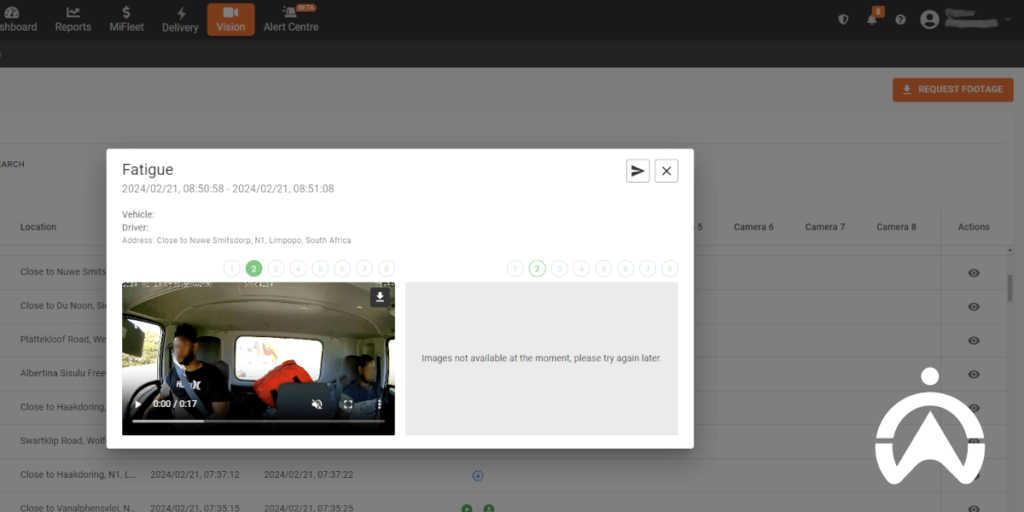
    – AI LiveVision cameras give your drivers access to real-time audible alerts about dangerous and distracted driving behaviours, including smoking, speeding and yawning, which helps them quickly correct their behaviour and prevent accidents.

    – Driver scorecards provide detailed reports on each of the harsh driving behaviours mentioned above, allowing you to see when an incident occurred and who was driving, and use these insights to empower drivers and coach safer driving practices.

  5. Cost management: Never miss payment and registration deadlines again with MiFleet software from Cartrack Mozambique. With the ability to receive reminder alerts, our cost management solution makes it much easier to keep track of all your fleet's expenses, whether vehicle licences or fuel costs. This not only helps you improve your fleet's compliance, but also cuts admin time and eliminates the human errors that come with manual calculations, helping you ensure your leased fleet isn't costing more than it should.
  6. Preventive maintenance: Identify potential maintenance problems before they become more costly with Cartrack Mozambique's preventive maintenance. Our software uses advanced analytics to alert you to possible vehicle maintenance problems, such as damaged brake pads and low oil levels. This proactive measure uses historical data and smart algorithms to create a maintenance plan specifically tailored to your fleet, helping you eliminate unplanned downtime, prevent road accidents, increase fleet longevity and turn your leased fleet into a well-oiled machine.
Dê_à_sua_frota_alugada_mais_poupança_eficiência_e_produtividade_com_Cartrack

Case study: How Cartrack helped Agungrent boost its vehicle rental business

Whether you are already leasing your fleet vehicles or intend to lease them, Cartrack Mozambique is a solid solution with a proven track record. Take the case of Agungrent, a transport services company specialising in vehicle rental, logistics and road transport with more than 6,000 vehicles.

Agungrent found reducing operating costs and managing its fleet inventory a challenge. They needed a system that would help them easily manage vehicle rental usage, receive vehicle data and reduce overall fleet costs.

Using Cartrack's mobile app, Agungrent unlocked real-time monitoring of its vehicles' movements, helping them bill for rented vehicles more accurately. The fuel monitoring solution from Cartrack Mozambique also helped them increase their fuel efficiency by up to 30%, and the driver and safety reports they now had access to helped them improve their culture of driver safety overall.

Here is what the company's Operations Manager, Mr Edi Cahyono, said:

“Cartrack is a global GPS services provider that offers many features that are very capable and easy to use, as well as offering competitive prices tailored to our needs.”

Tackle the problems of fleet leasing with Cartrack Mozambique's superior fleet management solutions

Transform the management of your leased fleet from time-consuming and frustrating to streamlined and automated with Cartrack.

Contact us today and find out how.
Fleet Accident Management: The Real Causes of Accidents and How to Prevent Them

After a vehicle accident occurs, what happens?

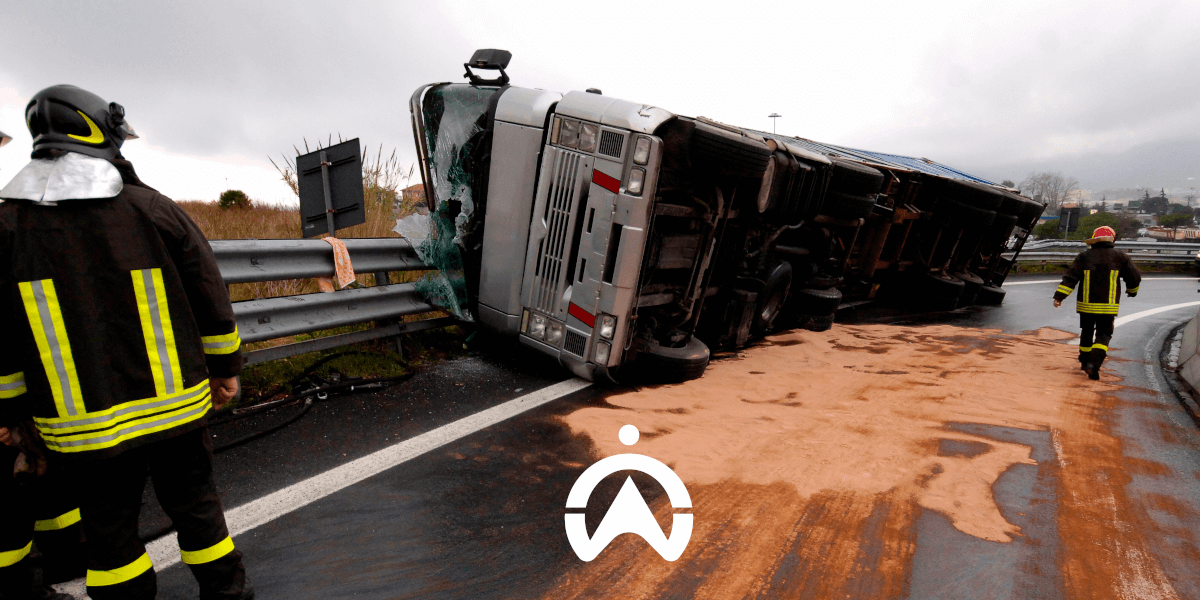
At first glance, it's chaos. Cars have crashed into one another, car parts are scattered and broken glass is strewn everywhere.

As the minutes pass, emergency crews begin to arrive, paramedics help the injured drivers, the police move bystanders back to a safe distance and tow trucks arrive to clear the wreckage.

Imagine that one of the victims involved in the accident is one of your fleet's drivers; how does this affect your driver and your business?

In this article, you will:

  • Explore fleet accident management and how it protects your drivers and vehicles
  • Get to know the factors that contribute to fleet accidents and how to address them
  • Learn the benefits of implementing a robust fleet accident management programme
  • Explore the essential steps for fleet accident managers to handle incidents efficiently
  • Find out how safety for fleets from Cartrack Mozambique can improve fleet accident management
  • Find answers to frequently asked questions about fleet accidents

What is fleet accident management?

Fleet accident management (FAM) is the structured process of handling incidents involving fleet vehicles. It covers everything from accident response to the prompt management of repairs and insurance claims.

Just as unexpected detours or unforeseen hazards can disrupt your journey, accidents can potentially derail your entire operation. This is where fleet accident management (FAM) comes in. It navigates the aftermath of an accident while proactively mitigating future risks.

It's like having a safety net for your drivers and vehicles, ensuring drivers have a better chance of walking away unharmed and vehicles suffer minimal damage.

What causes fleet accidents?

Fleet accidents can result from various factors, such as driver errors, distractions, road conditions and weather, to name a few.

Let's break them down:

  1. Driver errors
    Speeding, harsh braking or cornering and tired driving have dangerous consequences for the driver and other drivers on the road, often causing accidents.
  2. Distractions
    Using your phone while driving or taking your eyes off the road can contribute to accidents. It takes only a few seconds of distraction to miss a sudden stop by the car in front or a pothole, causing you to swerve and hit another car.
  3. Road conditions
    Uneven road surfaces, potholes or slippery surfaces increase the risk of accidents. Imagine a driver navigating poorly maintained roads, trying to cope with unexpected challenges.
  4. Weather conditions
    Rain, snow or fog make driving more difficult and can badly affect visibility on the road. It is advisable to adapt your speed and distance to manoeuvre with safety in challenging weather conditions during these events.
  5. Regular vehicle maintenance
    Faulty brakes or worn tyres can cause accidents. A well-maintained vehicle travels the roads smoothly, reducing the risk of mechanical problems. Understanding these factors and implementing safety measures, including fleet accident management (FAM), is vital. It is about fostering a culture of safety, where drivers use their vehicles responsibly to reduce the risk of accidents and ensure safer journeys.

Why fleet accident management matters

FAM is generally seen as a holistic approach to safety and efficiency. Without proper safety measures to prepare for the chaos of an accident and the events that follow, such as delays, financial losses, insurance claims and even harm to drivers and others, it can become too difficult to manage and may cause the business financial losses, loss of reputation, loss of vehicle operation and even loss of drivers' trust in the company.

Fleet accident management (FAM) protects against these disruptions and promotes a safer, more efficient way of mitigating accidents.

Por_que_a_gestão_de_acidentes_de_frota_é_importante

Benefits of fleet accident management

Fleet accident management (FAM) is important for several reasons. For example, FAM affects two of the departments that carry the most responsibility in the business: safety and finance. This means the benefits of fleet accident management are directly linked to crucial aspects of the business.

Here is why FAM is more than just an “add-on” and why it should be an integral part of your fleet management strategy:

  1. Fewer accidents and lower costs
    With a solid fleet accident management programme, you can expect fewer accidents, which means lower insurance costs, less vehicle damage and fewer injuries to your team. Proactive measures such as driver training, promoting safer driving habits and addressing potential hazards early all play a part in preventing accidents.
  2. Driver safety and wellbeing
    Prioritising safety not only keeps drivers safe, but also boosts morale and reduces turnover rates. The comprehensive training support of FAM software helps create a safety-focused work culture.
  3. Compliance and reputation protection
    Ensuring compliance with safety standards not only minimises legal risks, but also improves your company's reputation. By demonstrating a commitment to safety through a strong FAM programme, you can improve public perception.
  4. Informed decision-making through data
    Analysing accident data provides valuable insights for targeted interventions and continuous improvement. Identifying root causes and benchmarking performance can support informed decisions about driver training and vehicle maintenance, boosting fleet safety and efficiency.
  5. Reduce downtime and costs
    Responding promptly to accidents and recovering vehicles efficiently keeps your fleet running smoothly, minimising disruptions and the associated costs. With fewer accidents, you also benefit from significant savings through lower insurance premiums.

Essential steps for fleet accident managers

An accident is every fleet manager's worst nightmare. It is an unfortunate reality, but one that can have a significant impact on your fleet's operations and your drivers' wellbeing. By being proactive and implementing FAM steps, you can minimise the impact on your drivers and operations.

Here is how effective fleet accident management cuts through the chaos and gets your drivers back on the road:

Step 1: immediate response

Ensure the safety of everyone involved, secure the accident scene and respond promptly to the situation.

Step 2: comprehensive documentation

Collect crucial information such as photos, eyewitness accounts and police reports for insurance claims and legal purposes.

Step 3: Vehicle repair and reducing downtime

Coordinate vehicle repairs, arrange towing, obtain repair estimates and schedule repairs with approved suppliers to minimise downtime.

Step 4: Insurance claims management:

Communicate with insurers, provide the necessary documentation and push for fair and timely claim settlements.

Step 5: Accident data analysis and prevention:

Analyse accident data to identify trends, implement preventive measures and offer drivers training and support to improve safety awareness and reduce future risks.

By adopting these steps, fleet accident management can help you get your drivers and your business out of a tricky situation. Remember, it's not just about responding – it's about preventing road accidents and protecting your fleet.

Planning for the future: solutions for fleet accident management

The future of fleet management lies in proactive planning, and accident prevention is at the heart of this approach. Implementing strong accident prevention measures isn't just about protecting your bottom line; it's about protecting your drivers, the public and your company's reputation.

FAM is a multifaceted approach that draws on several preventive solutions to work smoothly. Let's unpack some of them:

  1. Technology-based solutions
    Telematics: track driver behaviour in real time, monitor fatigue levels and identify other risky behaviours, such as speeding, to gain valuable insights and guide future driver training.Advanced driver assistance systems (ADAS): equip vehicles with features such as lane departure warning, automatic emergency braking and blind spot monitoring to help drivers avoid collisions.

    Artificial intelligence (AI): Use AI-powered systems to analyse driving patterns, predict potential accidents and recommend personalised safety interventions.

    Route optimisation: efficient routes minimise unnecessary driving time and exposure to high-risk areas.

  2. Driver training and skills development
    Defensive driving courses: Equip your drivers with defensive driving skills and safety knowledge, such as hazard perception, skid control and emergency manoeuvres.Fatigue management programmes: Educate drivers about the dangers of fatigued driving and implement policies to encourage rest breaks and healthy sleep habits.

    Preventing distracted driving: Implement clear policies and technology-based solutions to combat the dangers of phone use, texting and other distractions while driving.

  3. Vehicle maintenance and safety
    Regular inspections and preventive maintenance: Make sure all vehicles are in the best condition to minimise mechanical failures and breakdowns. Safety technology upgrades: Consider investing in features such as automatic lighting, reversing cameras and electronic stability control for greater safety.

    Ergonomic support: Make sure the driver's seat and controls are properly adjusted to provide comfort and minimise fatigue, especially on longer journeys.

  4. Smart route planning
    Choose safe and efficient routes: Avoid heavy traffic areas, construction zones and dangerous weather conditions wherever possible. Plan realistic journey times: Avoid pressuring drivers to exceed speed limits or work excessive hours.

    Use route optimisation software: optimise routes for efficiency and safety, considering factors such as traffic congestion, weather conditions and road closures.

  5. Learn from the data
    Analyse accident data: identify trends and contributing factors to understand where and why accidents occur. Benchmark your performance: compare your safety metrics with industry standards to identify areas that need improvement.

    Use data to inform your strategies: Continuously adapt and improve your accident prevention measures based on data-driven insights.

How Cartrack Mozambique's safety features can protect your drivers, fleet and business

In the realm of fleet safety and accident management, Cartrack Mozambique emerges as the right choice for businesses seeking reliability and efficiency. Cartrack is a global leader in technology for fleet management, offering reliable safety solutions that can contribute positively to a fleet's accident management measures.

Cartrack offers a comprehensive set of safety features designed specifically to help fleet businesses reduce accidents and increase driver safety.

  • AI-powered cameras
    Analyse the interior and exterior environment and detect distracted driver behaviour, such as phone use or drowsiness, and unsafe manoeuvres, such as lane departure or unauthorised use, in real time, accompanied by audio alerts to help prevent accidents quickly.
  • Maintenance reminders
    Stay ahead of potential breakdowns with maintenance reminders from Cartrack Mozambique. Receive timely notifications about scheduled maintenance tasks, ensuring your vehicles are always in the best condition and minimising the risk of mechanical failures.
  • Monitoring driver behaviour
    Cartrack's telematics system monitors driving behaviour in real time, alerting managers to risky driving habits such as speeding, harsh braking and sudden acceleration.
  • Driver scorecards
    Empower your fleet. Use driver scorecards and reports with live streaming and recorded camera footage to educate drivers on where safer driving practices need to be put in place.
  • Crash detection
    In the event of an accident, Cartrack's crash detection picks up any sudden impact on the vehicle. It sends an alert along with essential information, such as real-time location and time of impact, allowing you to take swift action and support your drivers.

With our range of fleet safety solutions, you can join more than 1.9 million subscribers who trust Cartrack to protect their drivers wherever they go.

Improve driver and vehicle safety with one platform: Cartrack Mozambique

From your drivers and vehicles to the cargo you carry, Cartrack is dedicated to keeping your fleet safe and your business running smoothly.

Take the next step in ensuring your fleet's safety and success by partnering with Cartrack Mozambique today.

We have all the frequently asked questions about fleet accidents answered here

When an accident happens, there is no time to ask questions. These answers to the most frequently asked questions about fleet accidents can inform and prepare you.

As a fleet driver, what should I do after an accident?

Although every accident scene is different, here are some important actions you should take if you are not seriously injured and can move:

  1. Stop the vehicle and check for injuries
  2. Move the vehicle to a safe place, if possible. Switch on the hazard lights and call the emergency services, if necessary
  3. Notify your fleet manager or supervisor
  4. Exchange contact details with the drivers affected
  5. Take photos of the accident scene, including vehicle damage and injuries, for insurance
  6. Report the accident to the police within 24 hours

What is fleet incident management?

This is often seen as another term for fleet accident management. Fleet incident management is slightly different, as it focuses on the broader scope of fleet incidents, which include accidents, equipment malfunctions, safety violations and even theft.

O_que_é_gerenciamento_de_incidentes_de_frota

How can I make sure my drivers are following safety protocols?

Making sure your drivers follow safety protocols involves putting clear and comprehensive guidelines in place:

  1. Start by giving them thorough training on safe driving practices and emergency procedures
  2. Keep reinforcing these guidelines through meetings, memos and ongoing training sessions
  3. Use technologies such as telematics and GPS tracking to monitor your driver’s behaviour on the road and whether they follow the safety rules
  4. Set up a dedicated system for reporting any safety concerns or incidents
  5. Finally, encourage, foster and commit to a culture of safety by rewarding drivers who stick to the safety protocols.

Contact Cartrack today  and start using advanced telematics technology to help prevent accidents and keep your fleet safe.

The future of mobility: nine remarkable ways a fleet system helps you stay ahead

The fleet industry is constantly evolving, from technological advances to changes in consumer behaviour. Is your business ready for all these changes?

A fleet’s success depends on its ability to embrace and adapt to the future of mobility. But what exactly is fleet mobility, why is it so crucial to fleet success, and how can you maintain and achieve it?

Let’s see how a smart system can keep you ahead of the times.

In this article, you will:

  • Learn what fleet mobility is
  • Find out what the future of fleet mobility will look like
  • Dig into the challenges these advances in fleet mobility face
  • Explore how a fleet management system can help drive fleet mobility
  • Discover how Cartrack Mozambique’s solutions are the key to improving your fleet’s mobility

What is fleet mobility?

Fleet mobility is a new approach to how businesses organise the movement of their fleet staff. Unlike traditional fleet management, fleet mobility focuses on flexibility of movement and accessibility, drawing on emerging and innovative transport technologies to provide flexible, on-demand transport solutions.

What is the future of fleet mobility?

Fleet mobility is all about technological advances. So what will the future of fleet mobility look like?

Let’s take a look at the advances we can expect.

  1. Electric vehicles
    Electric vehicles are vehicles powered by an electric source rather than petrol or diesel. Automotive technology is constantly evolving, which has led to an increase in the production of electric vehicles and ushered in fleet electrification.

    Fleet electrification represents the future of fleet mobility, especially with electric vehicles (EVs) being seen as the future of fleet mobility because of their potential to reduce fleet costs and the fleet’s environmental impact. EVs offer several benefits for fleet mobility, ranging from lower fuel and maintenance costs to greater driver satisfaction.

    Although EV adoption in South Africa is still at an early stage, the growth of charging infrastructure is a clear sign that we are ready to ride the wave of this technological advance.

    Mercedes-Benz South Africa and Chargify are currently building 127 new local electric vehicle charging stations across South Africa, valued at R40 million. Global companies are also joining this movement, with FedEx committing to make its entire global pick-up and delivery fleet zero-emission electric vehicles by 2040. In 2021, FedEx ran electric vehicle trials in South Africa to test the technology and assess its operational effectiveness on a global basis. standard route, with the vehicle fully loaded with packages

  2. Autonomous Driving
    The future of fleet mobility includes the steady evolution of automotive technology through the use of autonomous vehicles. Autonomous vehicles can operate without human involvement and, with specialised sensors, can sense their surroundings and get from point A to point B entirely on their own.

    Although these vehicles are being fully rolled out in Singapore and other countries, South Africa may have to wait a little longer, as they are still undergoing extensive AI training.

  3. IoT sensors
    Internet of Things (IoT) sensors give fleet managers access to a vast range of real-time data about their fleet, using sensors that have been built into vehicles and infrastructure. This means fleet managers can make informed business decisions about factors such as vehicle maintenance, driver training and vehicle activity. The insights drawn from IoT data can help optimise route planning, reduce fuel consumption and increase fleet efficiency.
  4. Mobility as a service (MaaS)
    The future of fleet mobility involves embracing shared fleet solutions, through a concept known as mobility as a service. Mobility as a service, also known as MaaS, is a user-centred approach that integrates various modes of transport into one unified, on-demand mobility solution.

    Put simply, it gives businesses the flexibility to access shared fleets of vehicles on demand. This model removes the need for individual ownership and maintenance, reducing fleet costs and providing a more adaptable transport solution. For fleet operators, MaaS is an opportunity to optimise vehicle utilisation, reduce fleet costs and improve overall efficiency through the close management of vehicle use.

  5. Artificial Intelligence
    Artificial intelligence (AI) is a simulation of human intelligence processes carried out by a computer system. It makes use of a wide range of technologies that allow machines to perform tasks that normally require human intelligence. In the context of fleet mobility, AI can quickly analyse large amounts of data, with information on vehicle performance, traffic patterns and driver behaviour. This makes predictive analytics crucial, allowing fleet managers to identify problems that turn into unplanned and costly breakdowns. This promotes timely maintenance, improves fuel efficiency and minimises unplanned downtime delays, increasing productivity.
  6. V2V and V2E communication
    Vehicle-to-vehicle and vehicle-to-everything communication is a wireless technology that allows data to be exchanged between vehicles and their surroundings. V2V lets vehicles exchange data on speed, location and direction wirelessly and in real time. This allows vehicles to detect potential collisions, coordinate movements and keep safe distances from one another, which increases situational awareness and helps prevent accidents.

    V2E uses sensors, cameras and wireless connectivity to create an end-to-end communication system that lets vehicles share information about their drivers and their surroundings. This makes this technology useful for improving the safety of the fleet, traffic efficiency and energy savings.

Qual_é_o_futuro_da_mobilidade_da_frota

What challenges come with advances in fleet mobility?

As amazing as fleet mobility is, it comes with its fair share of challenges. These include:

  1. Adequate charging stations:
    Adopting electric vehicles presents both opportunities and challenges for fleet efficiency. One of the main challenges is the lack of charging stations. Although EVs are praised for their ability to reduce emissions and operating costs, the limited availability of charging stations can harm fleet mobility and productivity. This leads to downtime and disrupted schedules, as drivers have to travel further to find charging stations.
  2. Unpredictable technology:
    As amazing as technology is, it can be unpredictable. Autonomous vehicles are still in development, which delays their widespread adoption. Ensuring the safety and reliability of autonomous vehicles is a concern. AVs can suffer unexpected technical faults, which can disrupt fleet operations and compromise efficiency. In addition, the move to autonomous vehicles means drivers need to be retrained and adapt to new operating procedures, which is expensive and time-consuming.
  3. Integrating new technologies:
    The rapid evolution of mobility technologies, such as autonomous vehicles and advanced telematics, requires fleet managers to adapt and integrate these technologies into their operations effectively, in a way that does not disrupt the running of the fleet.
  4. Skilled staff and training
    Adopting new technologies means a fleet’s workforce needs the skills to operate and maintain these systems effectively. Fleet managers need to invest in training and development to make sure their team can use these advances effectively and reap their benefits.
  5. Data management and decision-making:
    Although advanced telematics gives you access to a wide range of data, managing and making sense of that data can be a hassle. Fleet managers need software that helps them understand their fleet’s data, making it easier to use it to make informed decisions and optimise operations.

    If left unresolved, these challenges can turn into significant problems for fleets. Fortunately, there is a secret weapon in your arsenal; fleet management.

What is fleet management?

Fleet management is the process of overseeing a group of vehicles that are owned or operated by a business. It involves a wide variety of fleet-related tasks that are crucial to streamlining fleet operations and making sure the fleet runs efficiently and effectively. Although this can be very hard to do manually, the answer is a fleet management system.

What is a fleet management system?

Fleet management software is the key to bringing the benefits listed above to your fleet. A fleet management system aims to give fleet managers real-time data and visibility of their fleet. A fleet management system is a set of tools and processes designed to help fleets measure their fleet effectively. By making use of software and hardware, a fleet management system can give fleet managers unmatched insight into the location of their vehicles in real time, at all times, track their fleet’s total fuel consumption, prioritise route optimisation and make sure their drivers show no signs of dangerous or distracted driving.

Main components of a fleet management system

An effective fleet management system needs to have the following main components:

  • Fuel management and cost control:
    Fuel monitoring is a key component of a fleet management system, as it allows a fleet’s fuel consumption to be tracked accurately, which is important for cost control and for optimising fleet productivity. This component matters because it helps fleet managers quickly identify excessive or unusual fuel consumption, address the causes promptly and take steps to minimise theft or waste.
  • Driver management and safety:
    Driver management is another key component of a fleet management system, as it covers the different aspects of overseeing and optimising driver behaviour, safety and performance. Fleets can detect and address dangerous or distracted driving behaviour that harms fleet productivity, which ultimately contributes to a safer and more efficient fleet.
  • Maintenance plans and diagnostics:
    Maintenance plans and diagnostics play a crucial role in helping fleet managers keep their vehicles in good condition, which in turn reduces unplanned vehicle downtime and optimises fleet productivity. Diagnostics involve using on-board sensors and telematics to monitor vehicle health and detect possible problems before they become serious. This data can then be used to schedule maintenance and repairs proactively, helping fleet managers keep their vehicles in good condition and maximise their productivity.
  • GPS tracking and telematics:
    GPS tracking uses satellite and mobile technology to monitor vehicle location and activity in real time. By providing accurate, real-time data on vehicle movements and utilisation rates, it lets fleet managers ensure compliance and make informed decisions about delivery routes and job dispatch. By using GPS tracking, fleet managers can monitor routes, identify possible delays and make informed decisions for route optimisation.

9 Benefits of a fleet management system for fleet mobility?

Fleet mobility is taking the world by storm, but what are the benefits? Let’s explore 9 of them:

  1. Data-driven decision-making
    A fleet management system can collect and analyse large amounts of data on driver behaviour, vehicle performance and fuel consumption. This data is crucial for data-driven decision-making, helping you to:
  • Optimise routes: by detecting traffic and weather conditions in real time, you can plan more efficient routes, reducing fuel consumption and improving delivery times.
  • Prioritise predictive maintenance: by detecting possible maintenance problems at an early stage, you can minimise unplanned downtime and avoid unexpected repair costs.
  • Improve the behaviour of drivers: by monitoring driver behaviour in real time, you can give your drivers specific guidance and training. This encourages safe driving and fuel-efficient practices, which reduces the risk of costly accidents.
  1. Embracing a sustainable solution
    A fleet management system can help you make sustainability your fleet’s standard, helping you adopt eco-friendly practices. This is done through:
  • Electric vehicle (EV) integration: this system helps you manage charging schedules, monitor battery health and optimise routes, which ensures you never run out of battery and that your carbon footprint is reduced.
  • Improving fuel efficiency: by giving you real-time information on fuel consumption and identifying inefficient driving patterns, it lets you encourage eco-conscious, fuel-saving driver behaviour.
  • Minimising mileage through route optimisation: plan the most fuel-efficient routes to make sure total mileage and emissions are reduced, making your fleet greener.
  1. Enhanced customer experience
    Customer service is crucial for fleets, and a fleet management system is exactly what you need to make sure you are offering your customers the best experience. This is done by:
  • Simplifying real-time vehicle tracking: by knowing where your vehicles carrying goods for delivery are at all times, you can give your customers accurate ETAs, which builds trust in your business.
  • Providing proof of delivery (POD): By helping you capture electronic signatures or images once goods have been delivered, you increase customer satisfaction.
  • Optimising delivery routes: By helping you find the fastest and safest delivery routes, you can deliver goods more quickly and efficiently, which exceeds customer expectations.
  1. Proactive risk management
    A fleet management system allows fleet managers to mitigate risks and ensure compliance with regulations:
  • Driver safety monitoring: By identifying and addressing dangerous behaviour, such as harsh braking, cornering and speeding, fleet managers can promote a safer working environment.
  • Vehicle condition monitoring: By receiving real-time alerts about potential faults, fleet managers can avoid costly breakdowns and ensure the safety of the vehicle.
  • Simplifying compliance management: By automating documentation and reporting for regulations, you can minimise fleet risks and fines.
  1. Ability to adapt to new mobility solutions
    A fleet management system helps you stay prepared for the latest advances in fleet mobility, including shared mobility options and autonomous vehicles. Here’s how:
  • Autonomous vehicle management: By integrating EVs with this system, you can optimise autonomous fleet operations.
  • Offering shared mobility: By using your fleet for vehicle sharing, you can diversify what you offer and reach new customers.
  1. Staying ahead of the competition
    A fleet management system helps you not only stay compliant but also optimise operations, and helps fleets gain a competitive edge. This is done by:
  • Adopting data-driven decisions: by making informed fleet decisions based on data and analytics, you can take your fleet to the next level.
  1. Increased fleet longevity
    Fleet management helps you keep your fleet healthy for longer, giving you access to:
  • Preventive maintenance: by knowing exactly when a vehicle fault is detected, you can resolve problems before they become more damaging and put vehicles out of action.
  • Driver monitoring: by keeping an eye on driver behaviour, you can spot behaviour that could leave your vehicles damaged and needing repairs sooner than expected
  1. Greater driver safety
    A fleet management system helps you improve the safety of your drivers while they are behind the wheel, through:
  • Driver behaviour monitoring: by giving you a complete view of how your drivers behave behind the wheel, it lets you effectively monitor and address aggressive and dangerous driving behaviour, which can be used to create tailored driver safety training programmes.
  1. Better fleet mileage
    A fleet management system helps you improve the total distance your fleet vehicles travel in a given period, giving you access to:
  • GPS Tracking: by monitoring and analysing vehicle metrics such as fuel consumption, idle time and route efficiency, you can gain insights into fuel use across your fleet vehicles and know exactly when and why your vehicle travelled further than usual or necessary.

9_Benefícios_de_um_sistema_de_gestão_de_frota_para_a_mobilidade_da_frota

Boost your fleet’s mobility with Cartrack’s fleet management solutions

Cartrack has an advanced fleet management system designed to improve your fleet’s mobility through a range of solutions. These include:

  • Real-time GPS tracking:
    Always know exactly where your fleet vehicles are with Cartrack’s live GPS tracking. With instant visibility of your fleet vehicles’ location and movement, you can give your customers accurate delivery ETAs, which improves customer satisfaction. But it does more than just track your vehicles. This technology can be used to monitor and improve your fleet’s efficiency by identifying inefficiencies. Fleet mobility is improved as a result, increasing operational efficiency, improving vehicle security and enabling proactive monitoring and route optimisation.
  • Route optimisation:
    Make sure your drivers use the fastest, safest routes with no detours with Cartrack’s route optimisation. Available through our Delivery app, it provides real-time alerts on delays and route deviations, helping you improve customer service and offer faster delivery times.
  • AI LiveVision cameras:
    Give your drivers access to real-time alerts on dangerous and distracted driving with our AI LiveVision cameras. This cloud-connected video management software combines AI analytics and in-cab cameras that work to detect dangerous driving behaviour, such as smoking, mobile phone use, speeding and yawning. When this behaviour is detected, audible in-cab alerts notify your drivers in real time, allowing them to correct their behaviour quickly and avoid a collision.
  • Fuel monitoring:
    Make every litre of fuel count with our fuel monitoring system. Our fuel cost monitoring software analyses every fuel transaction and compares the receipts with a vehicle’s advanced telemetry. This provides real-time visibility of fuel use and, when combined with a fuel sensor fitted in your vehicle’s tank, lets you keep a close eye on fuel consumption in real time. This makes it easier to identify fuel theft, reduce fuel waste and improve your fleet’s fuel efficiency.
  • Preventive maintenance:
    Make sure your fleet vehicles are running at their best with our preventive vehicle maintenance. This software, which is powered by AI and advanced analytics, provides alerts on maintenance issues such as worn brake pads, low oil levels and service interval reminders, making it easier to spot possible maintenance problems before they become expensive. This can also be useful for electric vehicles, as our fleet management platform gives you access to predictive analytics. By using historical data and machine learning algorithms, our system can predict when your battery needs replacing. Helping you create an effective maintenance plan helps prevent costly damage to vehicle components, road accidents and breakdowns that can hurt productivity.
  • MiFleet:
    Know exactly how much it costs for your fleet to run efficiently with Cartrack’s MiFleet software. Fleet mobility requires you to be aware of everything that happens in your fleet, and that includes its financial side. This cost management solution helps you keep track of all your fleet’s expenses, whether fuel costs, taxes or vehicle licences. The detailed insights help you save fuel, which reduces administrative time and fees.

Welcome to fleet flexibility and sustainability: Stay ahead with Cartrack today

Fleet success takes a wide range of interventions and strategies and, without an effective fleet management system, you may not be able to achieve it. If you need a solution, then Cartrack is the answer and your partner in achieving fleet mobility.

Talk to us here today.

GPS logbook: never fill in the book by hand again – unlock business efficiency

Tired of wasting hours manually logging all your business trips in a little book, scribbling notes and details until the sun goes down and the office empties?

Switch to the simplest, fastest and most efficient way to track your business trips – GPS logbooks – where every metre can be logged automatically and accurately.

Your trip-logging life is about to get a lot easier.

In this article, you will:

  • Learn about the mechanics behind GPS logbooks
  • Understand the benefits of GPS logbooks over traditional methods
  • Get to know the functions and features of GPS logbooks
  • Explore an easy guide to implementing GPS logbooks in your fleet business

Introduction to GPS logbooks

Filling in logbooks by hand can be a real pain. It is tedious, time-consuming and prone to errors. Having to write down every detail of your vehicle’s movements by hand is bothersome enough. That is where GPS logbooks come in handy. They automate the process, saving time and ensuring accuracy in tracking your vehicle’s mileage.

GPS logbooks combine GPS technology with detailed recording. They automatically report where your vehicle goes, how fast it is travelling and other details to help keep accurate track of mileage, and you can mark areas as business or personal travel zones. Unlike classic logbooks that have to be written up, GPS logbooks do this automatically, always providing accurate information.

They make tracking easy and exact, showing the route taken, distance, time and stops. There is no need to write everything down, so there are fewer mistakes and tracking works better.

Whether you are managing vehicles, monitoring cargo or just logging trips, GPS logbooks make trip data more reliable and accurate.

What GPS technology is and how it is used

Before we go deeper into logbooks and how they are used, let’s quickly get to grips with GPS technology.

GPS stands for Global Positioning System; it is a satellite-based navigation tool that helps us pinpoint exactly where we are on Earth. The technology we rely on to navigate from one place to another, whether through Waze or Google Maps in our cars or on our phones, is known as GPS.

How?

With satellites orbiting the Earth. These satellites send signals to GPS devices on the ground. The devices calculate how long each signal from different satellites takes to reach them. Using this data, your GPS device can work out exactly where you are.

GPS is not just for getting directions. It is widely used to track practically anything that moves, from cargo to vehicles and even wildlife. This technology has established itself as an integral part of many kinds of industries and even functions, one of which is logbooks.

All the nuts and bolts behind a GPS logbook

The mechanics behind a GPS logbook are quite simple. It works by using GPS technology to track and record your vehicle’s movement.

To record the vehicle’s movement, the logbook uses GPS tracking. The GPS logbook is fitted with a GPS receiver that communicates with satellites through signals. These satellites continuously transmit signals containing precise time information and their location.

While you drive, your logbook quietly records all this information: where you have been, how fast you were going and even when you made stops along the way. You can also label trips as business or personal.

Then, when you want to check your trips in a GPS logbook, simply open your logbook reports and you will see everything in detail, from your routes to your mileage. This information can be downloaded or accessed through software applications.

It is basically like having a digital version of your manual business trip logbook that does everything for you.

Are all vehicles compatible with GPS logging devices?

If your fleet is large, with different types of vehicle, and you are worried about whether GPS technology will work in all of them, don’t panic, it will. The type of vehicle does not matter when it comes to GPS logbooks.

These devices are designed to be compatible with all types of vehicle, whether you drive a car, a truck, a van or even a motorcycle. As long as your vehicle has a power source for the GPS logbook, such as a battery or a connection to the vehicle’s electrical system, you are good to go.

Your vehicle’s OBD-II port can improve GPS logbook accuracy

Most modern vehicles come with an On-Board Diagnostics II (OBD-II) port, which is a standardised diagnostic port found in cars and trucks made after 1996. This port allows external devices, such as GPS logging devices, to connect directly to the vehicle’s on-board computer system.

Using the OBD-II port, GPS logging devices can access valuable information about the vehicle’s performance, including speed, engine revs and fuel consumption. This information can then be used to track the vehicle’s movements accurately, and much more.

With an OBD-II port available, you can simply plug in a compatible GPS logging device and start tracking your trips with ease. It is a convenient, hassle-free way to monitor your vehicle’s use and even its expenses.

And before you ask, yes, you can still use a GPS logbook without an OBDII port.

Although many GPS logbook devices are designed to connect to the OBD-II port to collect vehicle data, some GPS logbook devices do not require it. They rely on GPS satellite signals and built-in accelerometers to record the vehicle’s location and calculate the distance travelled, which is then used to generate an electronic logbook.

But remember that GPS-only logbooks may not be as accurate as those that use OBDII data. Because a GPS signal can be affected by weather, terrain and tall buildings.

Traditional logbooks versus the revolutionary GPS logbook

Although traditional logbooks have served their purpose for decades, they have inherent limitations:

Prone to human error: handwritten entries can be inaccurate or incomplete, leading to discrepancies and possible tax headaches.

Time-consuming and laborious: logging trips by hand, calculating distances and collating data is a tedious and inefficient process.

Susceptible to loss or damage: Physical logbooks can be lost, damaged or even stolen, compromising valuable business records.

Limited insights: Traditional logbooks offer basic data, without the depth and analysis needed to optimise fleet performance.

Inconvenient storage: physical logs need a lot of storage space. And even if you keep them clean and tidy, they are more vulnerable to damage or loss, leading to lost information further down the line.

The shiny new GPS logbook, on the other hand, can ease the modern fleet manager’s workload.

In their arsenal they have:

  • Real-time tracking: shows the exact location of all your vehicles in real time.
  • Automatic data capture: your GPS logbook records information such as trip duration, distance travelled and the stops you made along the way
  • Easily accessible logbook reports: The system creates easy-to-read reports summarising your trips. These reports give a clear picture of how your vehicle was used, including trip histories, mileage summaries and much more.

But the differences, or rather the benefits, don’t stop there:

Beyond basic GPS tracking, GPS logbooks can be used with fleet management solutions such as Cartrack Mozambique to give fleet managers an easier way to monitor each of their vehicles:

  • Fuel management: monitor fuel consumption, identify areas for improvement and reduce fuel costs.
  • Harmful driving alerts: identify and address unsafe driving practices to promote a safer fleet.
  • Real-time tracking: monitor your fleet’s activity in real time, gain valuable insights and respond promptly to situations.

From this brief explanation, I’d say GPS logbooks would be managers’ preferred choice. It is not just an upgrade, it is a transformation for businesses looking for efficiency, compliance and cost savings.

But whichever you choose, remember that both serve the purpose of tracking the vehicle’s mileage and use.

Diários_de_bordo_tradicionais_versus_o_revolucionário_diário_de_bordo_GPS

How are GPS logbooks used?

Even though this logbook has automatic features to get the job done, it still needs your help to get started; simply owning one is not enough. To really reap the benefits, you need to know how to use its features effectively.

Here are a few tips to help you get the most out of your GPS logbook:

  1. Use automation wisely: 

    – Turn on automatic trip recording: make sure your device starts and stops trip recordings automatically to track all mileage accurately.- Sync with your vehicle’s odometer: if possible, sync your device with your car’s odometer for even more accurate mileage tracking.

    – Consider expense import features: if available, import expenses directly from your bank statements or fuel cards to simplify expense management.

  2. Improve data collection: 

    – Classify trips correctly: label trips as business, personal or other to make expense reports and tax deductions easier.- Include relevant details: add notes on the purpose of each trip, passengers or toll costs for better expense control and record-keeping.

    – Track additional expenses: if needed, use the logbook to monitor other vehicle-related costs, such as parking fees, repairs or maintenance.

  3. Use reporting tools: 

    – Create custom reports: use the reporting features to generate reports tailored to your needs, such as monthly summaries or expense breakdowns.- Export data for analysis: export data in different formats to analyse it further in spreadsheets or accounting software for deeper insights.

    – Share reports digitally: share reports electronically with your accountant, employer or other parties for efficient collaboration.

Your step-by-step guide to implementing GPS logbooks in your business

Using technologies such as GPS logbooks can greatly improve your fleet’s performance, streamline operations and increase profitability.

To begin with, you want to work out the best solution for your business needs. Research and compare different GPS logbook providers, considering factors such as mileage tracking requirements, reporting needs and the features you want, such as route optimisation and fuel tracking.

Next, plan and communicate effectively with your team. Make sure everyone understands the goals of implementing GPS logbooks and the benefits they offer. Give clear instructions and communicate openly about data privacy measures during training sessions.

Once you have selected a solution, go ahead with installation by following the manufacturer’s instructions for fitting GPS devices in your vehicles. Create individual accounts for drivers on your fleet platform and adjust the settings to suit your preferences.

After installation, make the most of the data collected by regularly analysing reports on mileage, fuel consumption, driver behaviour and route efficiency. Use this information to optimise routes, reduce idle time, promote responsible driving and identify opportunities to cut costs.

Lastly, encourage feedback from your drivers on how usable and effective the system is. Keep your GPS logging software and devices up to date to ensure performance and safety at their best.

Cartrack’s SARS-compliant logbook feature

Cartrack Mozambique seamlessly integrates GPS logbook technology into its services, ensuring compliance with SARS regulations while offering a range of user-friendly features.

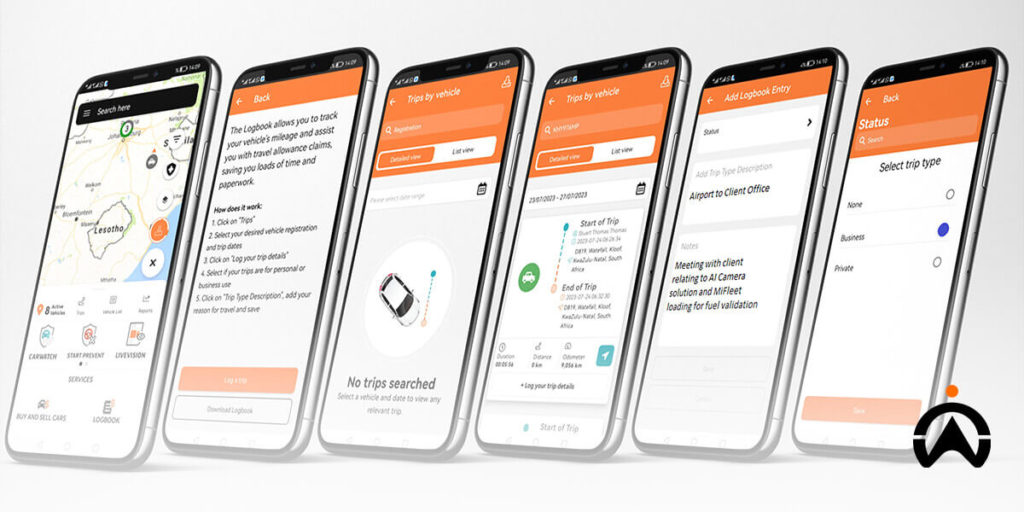
Cartrack Mozambique’s SARS-compliant logbook simplifies mileage tracking for individuals and businesses. By using GPS technology, Cartrack automates the process of recording and categorising trips, ensuring accuracy and efficiency.

With Cartrack Mozambique’s GPS logbook, users can:

View all your trips: Access a comprehensive record of every trip made, including details such as date, time, distance travelled and route taken.

Keep a detailed trip history: keep a complete trip history with the option to add notes and comments for each trip.

Categorise trips: easily classify trips as business or personal, simplifying expense reports and tax deductions.

Monitor the distance travelled: monitor the total distance travelled over a selected period, providing valuable information on vehicle use.

Export data in a SARS-ready format: generate reports in a format that meets SARS requirements, simplifying tax filing and reporting processes. Ready to turn trip information into tax-compliant business travel claims? Get ready for simple trip management with our GPS logbooks. All you need to do is become a Cartrack Mozambique customer, download the Cartrack mobile app and follow the easy instructions in our GPS logbook video to get started. Click the link below and watch the video:

From the chaos of manual trip logging to fully automated control: Get Cartrack Mozambique’s advanced trip logging app

As a fleet manager, you already have enough responsibilities to deal with, so let’s make one of them easier with GPS logbooks. This automatic, paperless feature with accurate data can save you time so you can focus more on your other fleet duties.

Contact Cartrack today Mozambique to find out about our solutions for fleet management.

Signal jamming detection: Cartrack’s advanced technology has you covered

Losing signal when using GPS technology can be extremely frustrating. Now imagine if someone blocked those signals on purpose to steal your car. What can you do?

Signal jamming detection technology can be the difference between finding your car where you left it and reporting it stolen.

Find out exactly how advanced signal jamming technology can help keep you and your vehicle protected against theft and hijacking.

In this article, you will:

  • Learn more about signal jamming and signal jamming detection
  • Get familiar with how signal blocking works
  • Establish why this technology exists and what it is used for
  • Find out what you can do to avoid car theft and hijacking and stay safe
  • Discover the advanced jamming detection and anti-theft technology from Cartrack Mozambique

What is signal jamming detection?

Imagine you are trying to listen to your favourite song on the radio, but suddenly someone turns the static up to full volume. That is what signal jamming does at a basic level – it disrupts communication by generating interference. The effects of signal jamming can be annoying and dangerous, which is why signal jamming detection technology exists as a countermeasure.

Is it possible to fight back against this silent but powerful disruptive force? Yes, and the solution is signal jamming detection. Signal jamming detection technology monitors specific frequencies for suspicious noise that points to interference.

Ultimately, signal jamming detection picks up when these disruptions happen, acting as a safety guard for the radio waves used to lock cars, use smartphones or track vehicle movements, to prevent or at least detect sinister activity related to these signals.

By detecting jamming attempts early on, it helps keep everyone connected.

O_que_é_detecção_de_interferência_de_sinal

The definition of signal jamming technology: What does a signal jammer do?

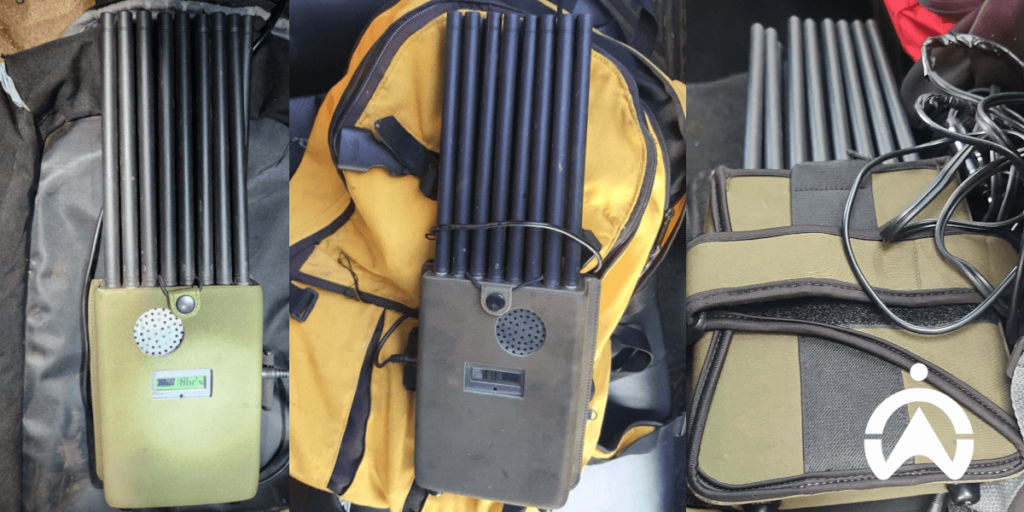
Have you ever been in that frustrating situation where your phone inexplicably lost signal? It could be more than just poor reception. Signal jammers are devices designed to disrupt wireless communication and, by using one, criminals can cause the same signal-blocking effect on smartphones and even on vehicle tracking devices.

In a world where communication happens over frequencies, signal jammers are the ultimate intruders. Picture radio signals as voices trying to be heard in a crowded room. A jammer acts like a loudspeaker, playing loud music on the same frequencies used by mobile phones and GPS devices. This interference drowns out the legitimate signals or voices, preventing normal communication.

In 2023, SAPS recovered stolen vehicles and arrested several thieves from vehicle syndicates as the use of signal jamming technology to steal and hijack cars grew in popularity.

Why does signal jamming technology exist?

Unfortunately, the reason signal jammers exist is rather sinister, as we strongly suspect they were not created for the greater good of humanity. They have very few uses considered legitimate or honest, as their main function is to confuse and disrupt the means of communication and the exchange of information.

  • The use of signal jamming is largely rooted in military activity, including cancelling out or obscuring a target’s signal and scrambling enemy communications or radar.
  • Signal jammers are also a popular tool used in a number of different crimes, as they are effective prevention techniques for blocking calls and internet access, which can disrupt emergency response and communication with the authorities.
  • Criminals also use them to hide their location, altering the signals from vehicle trackers to avoid being caught.

In short, signal jammers can cause chaos by disrupting personal and public communication while also affecting logistics and commercial activity, which is why they are illegal and considered dangerous in most of the world.

How signal blocking is used in vehicle thefts and hijackings

This is when a remote device is used to block or jam a motor vehicle’s locking device. When you press your vehicle’s remote, the would-be thief presses a different remote button at the same time, effectively blocking the signal from the remote to the vehicle.

These devices can be small, portable jamming devices or large ones the size of an industrial briefcase. Certain jamming devices are simply plugged into the vehicle’s cigarette lighter socket, blocking all tracking signals. This results in the control centre losing contact with the vehicle, with the tracking system showing only the vehicle’s last position before the signal was lost.

Examples of common theft or hijacking events related to signal jamming

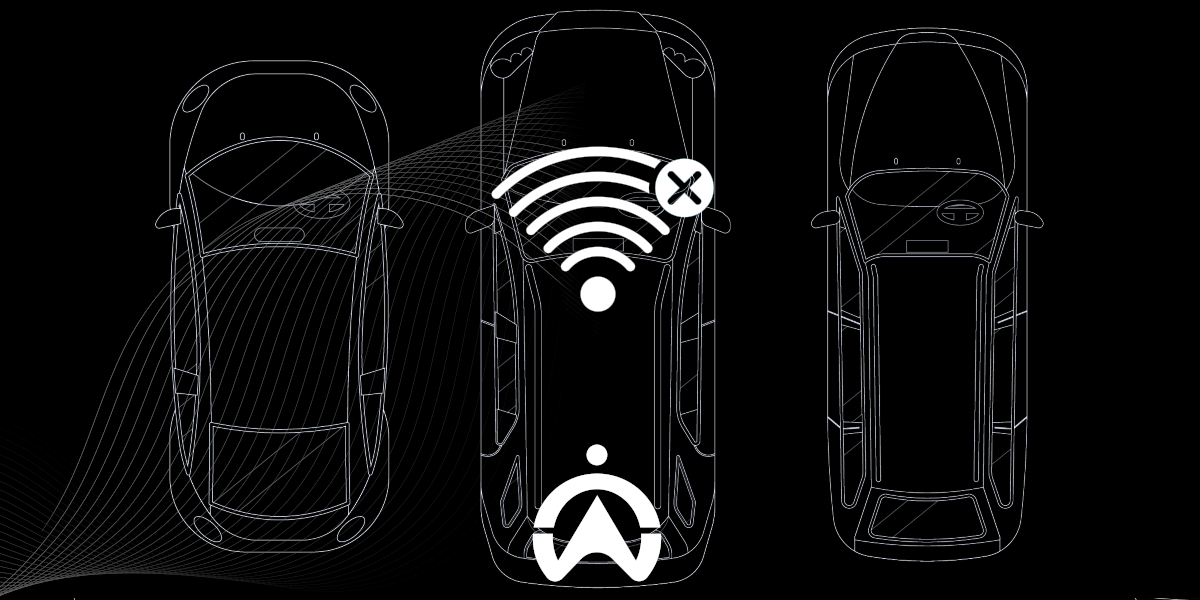
Criminals use GSM and GPS signal jammers to throw off tracking and recovery teams during and after hijacking operations. Signal jammers can stop a vehicle’s telematics or tracking device from communicating its location to the service provider

Jamming detection from Cartrack Mozambique helps alert the control room to this activity and, if a thief or hijacker uses a jamming device to block communication between the tracking system and the mobile network, Cartrack Mozambique can switch to the RF frequency, which allows continuous communication with the vehicle.

Your most pressing questions about crimes related to signal jamming technology, answered

Do you have any questions about signal jamming and signal jamming detection? You are not alone – here are the most frequently asked questions and detailed answers to help you understand the concept and how the technology is used.

  1. Can a car tracker be jammed?
    Yes, a jamming device can block the signal of a vehicle tracking device. GPS jammers produce a white-noise radio signal transmitted at roughly the same frequency as the GPS satellites used by GPS, blocking the signals to GPS tracking devices and navigation systems.
  2. Can a GPS tracker’s signal be blocked?
    Yes. A tracker’s GPS signals can be blocked by a variety of objects, including aluminium foil, plastic containers and even wet trees. These are examples of cheaper options, but criminals use signal jamming devices because they are more effective than aluminium and plastic and, as you can imagine, are easier to find and carry than wet trees.
  3. How do you prevent signal blocking?
    In most cases here in South Africa, we are looking at signal jamming incidents that involve stopping you from locking your car, leaving it vulnerable to theft, or criminals blocking your tracker’s signal in a hijacking to stop recovery teams from tracking and recovering your vehicle.
  4. Is signal jamming prevention expensive?
    Buying a signal jamming detector can be expensive, depending on your budget and how you plan to use the device. However, some companies such as Cartrack Mozambique offer jamming detection as a value-added extra or product feature, making it more affordable and convenient for that unforeseen day when you may end up needing it.

As well as using a jamming detector, there are a few things you can do to make sure criminals don’t get away with car theft and other crimes, and proper preparation is the first step towards prevention.

Detecção_de_interferência_de_sinal

Suas_perguntas_mais_urgentes_sobre_crimes_relacionados_à_tecnologia_de_interferência_de_sinal_foram_respondidas

 5 important tips to help you avoid becoming a victim of vehicle theft

There is a lot you can do when it comes to preventive measures, so we have picked some of the smartest options to help you stop vehicle theft and track down those involved.

  • Use a steering wheel or gearbox lock
    Sounds like last century, doesn’t it? Yet criminals’ hacking skills are never far behind the invention of the latest technology. Going back to physical barriers, such as steering wheel and gearbox locks, will make it incredibly inconvenient for criminals to steal your car quickly.
  • Stash it, don’t flash it
    A campaign launched by the CCID, or Cape Town Central City, during the 2018 festive season urged tourists to keep their valuables out of sight to prevent theft and robbery. In a country with a high crime rate that includes vehicle thefts and break-ins, this is still valuable advice. Always make sure your wallet, phone and other valuables are kept in safety and not visible to passers-by.
  • Vigilance is key
    Assessing your surroundings while you park and before you leave your vehicle behind can give you a good idea of whether the place where you are leaving your car is generally safe. Trust your instincts and don’t think twice about your safety. If it doesn’t feel right or there are suspicious-looking individuals around, the best option will always be to get back in the car and drive to a place where you feel safer.
  • Show us your vehicle’s VIN
    Engraving your vehicle’s VIN on all the main parts of the car is like putting a unique identifying tattoo on each of your limbs. While your being dismembered is highly unlikely, it is terrifyingly likely that your car will be after a theft or hijacking. Putting a traceable element on your vehicle’s parts is an invaluable tool for following the trail of criminals in car theft syndicates long after the thefts, providing valuable leads for law enforcement and helping to stop multiple vehicle theft incidents.

How Cartrack Mozambique’s safety-first technology keeps you in control of your car’s location

Cartrack Mozambique offers state-of-the-art signal jamming detection technology to make sure our control room agents can keep track of your tracker despite signal jamming attempts. We also offer other features that add extra layers of protection against vehicle theft and hijacking for your vehicle or fleet:

Stolen Vehicle Recovery: With dedicated air and ground recovery operations, the Cartrack Stolen Vehicle Recovery team springs into action the moment your vehicle is reported stolen. With advanced signal jamming detection technology, we have the tools to access your vehicle’s location even when car thieves try to block the signal.

CarWatch: keep an eye on your car even when you’re not there. CarWatch is an early warning system conveniently located in the Cartrack Mozambique app. At the push of a button, you’ll know the moment your vehicle moves without your consent and our stolen vehicle recovery team will be alerted.

Protector: Enjoy complete peace of mind in an emergency with Cartrack Mozambique’s Protector feature. Get instant access to premium medical, roadside and legal assistance to ensure that your fears of safety of being left stranded and vulnerable are a thing of the past.

Driver ID and Start Prevent: control who can drive your fleet vehicles by assigning driver identification tags. Combined with our Start Prevent feature, designated drivers can only start fleet vehicles with your authorisation, ensuring safety is optimised and the risk of vehicle theft is lower.

Limited stolen vehicle recovery warranty: In the unlikely event that your vehicle is stolen and cannot be recovered by Cartrack’s dedicated recovery team, you can claim R150 000 cash back with Cartrack Mozambique’s Limited Stolen Vehicle Recovery Warranty.

*Cartrack’s Recovery Warranty Terms and Conditions apply.

Fight signal jammers and maximise vehicle security with Cartrack Mozambique

With Cartrack by your side, there’s nothing to lose but the risk of vehicle theft. Contact us today to learn more about the different packages Cartrack Mozambique and how they can help you increase vehicle security.