South Africa
 Botswana
 Kenya
 Malawi
 Namibia
 Nigeria
 Swaziland
 Tanzania
 Zimbabwe
 Hong Kong
 Indonesia
 Singapore
 Malaysia
 Philippines
 Thailand
 New Zealand
 Vietnam
 Poland
 Portugal
 Spain
 United Arab Emirates

 PT

Fuel theft and fraud rates in the road freight sector remain a concern. As a fleet manager, you will never know what drivers do while making deliveries. The only way to be sure is to bring in technology that will give you more information about what is happening inside and outside your vehicle, specifically, your fuel tank.
Today, we will look at anti-fuel-theft tactics you can apply to your fleet.
In this article, you will:
- See how fuel theft affects the trucking industry
- Learn the signs of fuel theft
- Discover how you can prevent fuel theft
- Get to know the different forms of fuel theft and fraud
- Discover Cartrack’s fuel monitoring solutions
The impact of fuel theft on road freight transport
Fuel is one of the biggest and most important fleet operating costs: without fuel there is no business, and the more you pay for it, the less profit you make. That said, fuel theft is a growing concern for many Mozambican fleet companies. It is a criminal offence that many fail to notice. Fleet managers need to investigate why fuel goes missing in the first place, how it is drained and how to prevent it.
Warning signs of fuel theft
- Frequent refuelling
- Sudden drops in fuel levels
- Discrepancies in receipts
- Fuel charge at an odd location
How to stop and prevent fuel theft in trucks
Now, let’s see how you can prevent fuel theft in your truck fleet:
- Invest in a smart fuel monitoring system
The first step in fighting any fuel theft is a fuel monitoring system. A fuel monitoring system helps you manage fuel cards, control consumption, use GPS technology for accurate times and locations, and generate detailed reports. If there is a sudden drop, the transactions do not add up or drivers are not refuelling at a set location, you will be the first to know.
- Get the best fuel card
A smart fuel card is essential, as it is the fastest way to track transactions, but make sure you choose a provider with enhanced security features. Do your research and compare the benefits of each provider. Look for cards with PIN protection, transaction limits and real-time monitoring. A good fuel card also offers discounts and has a range of participating fuel stations across the country.
- Set daily spending limits and require PINs
In addition to the above, know how many refills a driver will need per trip and how much each refill should cost, then set daily spending limits and make sure each driver has their own PIN.
- Carry out regular audits
Carry out periodic checks of fuel receipts, mileage logs and maintenance records so that you can spot any discrepancies, patterns or trends. This can be done by comparing transactions with fuel consumption data. Fuel transactions should be checked by two people so that one person can catch a mistake the other may have missed. Bring in external auditors whenever possible. - Anti-fuel-theft device
Invest in anti-fuel-theft devices such as fuel cap locks, fuel tank alarms and anti-siphon devices. They will prevent thieves from physically getting to the fuel in the tank. - Secure your parking area
Install CCTV and security lighting in your parking area. The area where the trucks park after a shift should have good lighting and surveillance, preferably motion-detection lights. The gates should also be locked at all times. - Defensive parking
All trucks should be parked strategically so as to block access to the fuel tanks. Use other vehicles or solid structures, such as a wall, to block access to the fuel tanks. - Train your drivers
Drivers should know how to handle fuel cards and be aware of the scams going around so that they can always be on the lookout for suspicious people. Training drivers also reinforces accountability.
Know the different types of fuel theft and fraud
Here are some examples of the tricks thieves use to get your fuel:
- Skimming and cloning: A card skimmer is a device that is placed on top of a card reader to capture the data on a fuel card. The card details are then used to duplicate the card and fill up other vehicles or make purchases at the fuel station. All the charges go to the driver.
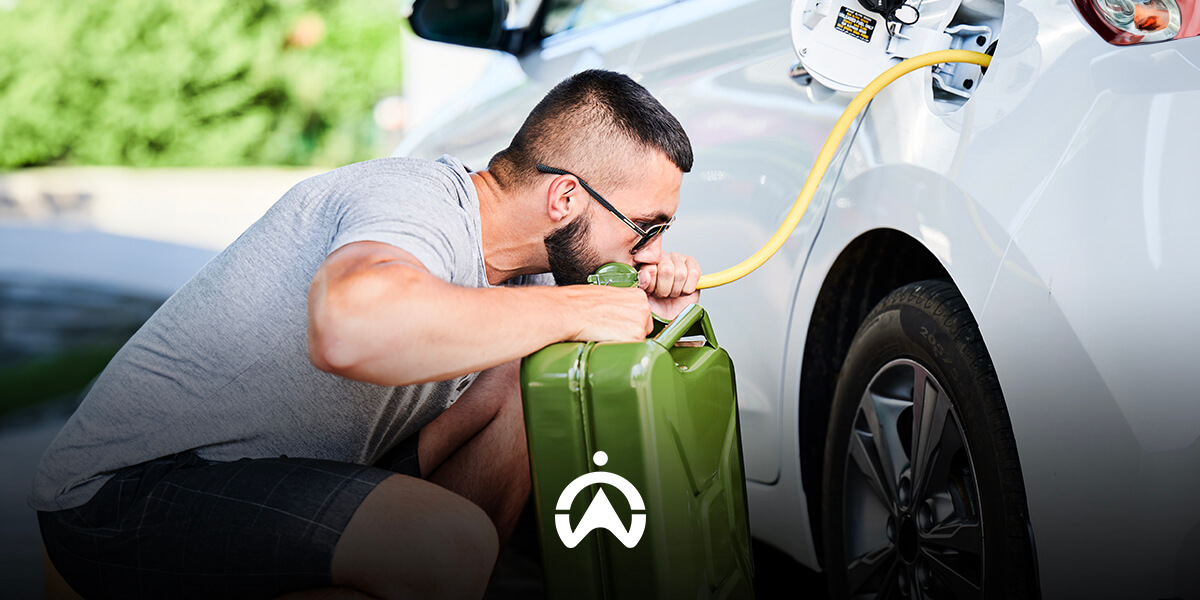
- Siphoning: Some thieves use their mouth and a hose, or an automatic pump, to drain fuel from the tank into a container. The fuel is then transferred from the container to another vehicle or is sold.
- Multiple-pump transactions: Some drivers collude with fuel station staff to merge several pump charges into one transaction on the fuel card. The additional pump payments are then shared between them in cash.
- Neutral driving: this may be shocking, but many truck drivers drive with the transmission in neutral to manipulate fuel use, showing lower consumption per kilometre travelled. This form of fuel theft also increases vehicle wear and tear and can cause accidents.
- Unrecorded personal trips: in some cases, drivers manipulate fuel records or use company fuel cards for personal vehicles.
- Odometer tampering: this is when drivers lower, raise or pause the mileage reading on the vehicle. Some old trucks have a simple system that can be easily manipulated, and modern trucks also have some loopholes in their on-board system that allow odometer tampering.
Digitise fuel validations with Cartrack’s fuel management system
Here are some of the features of our all-in-one fuel management system:
- GPS Tracking
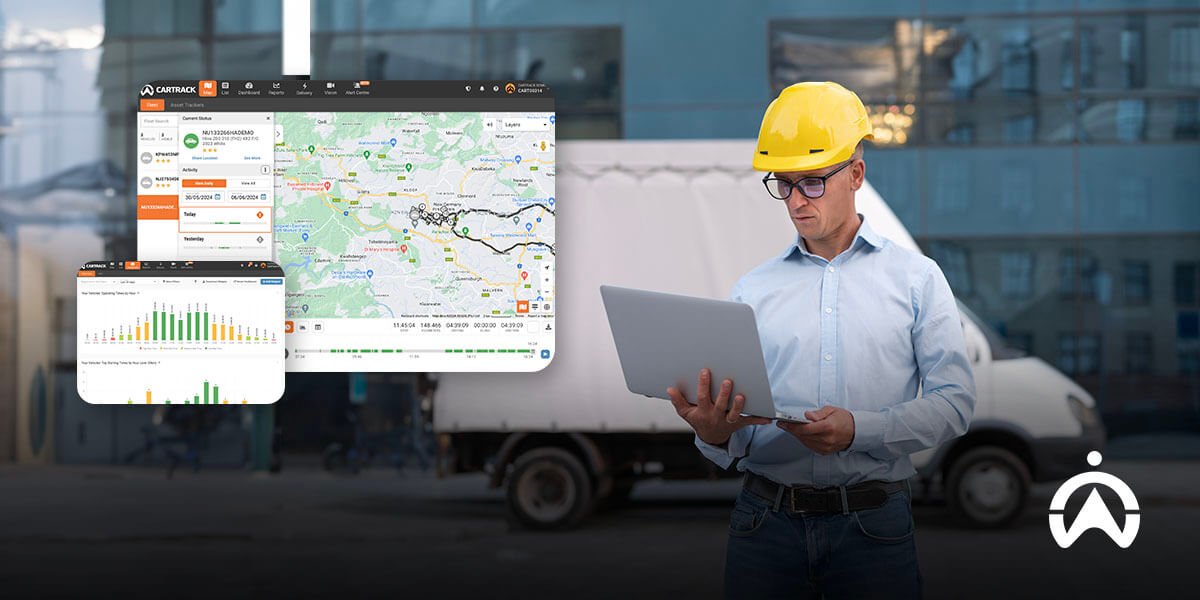
The first step in fighting theft from your truck fleet is knowing where your trucks are at all times. Cartrack’s GPS tracking technology gives you full visibility of your fleet so that you can spot any detours that may be using up more fuel. - MiFleet
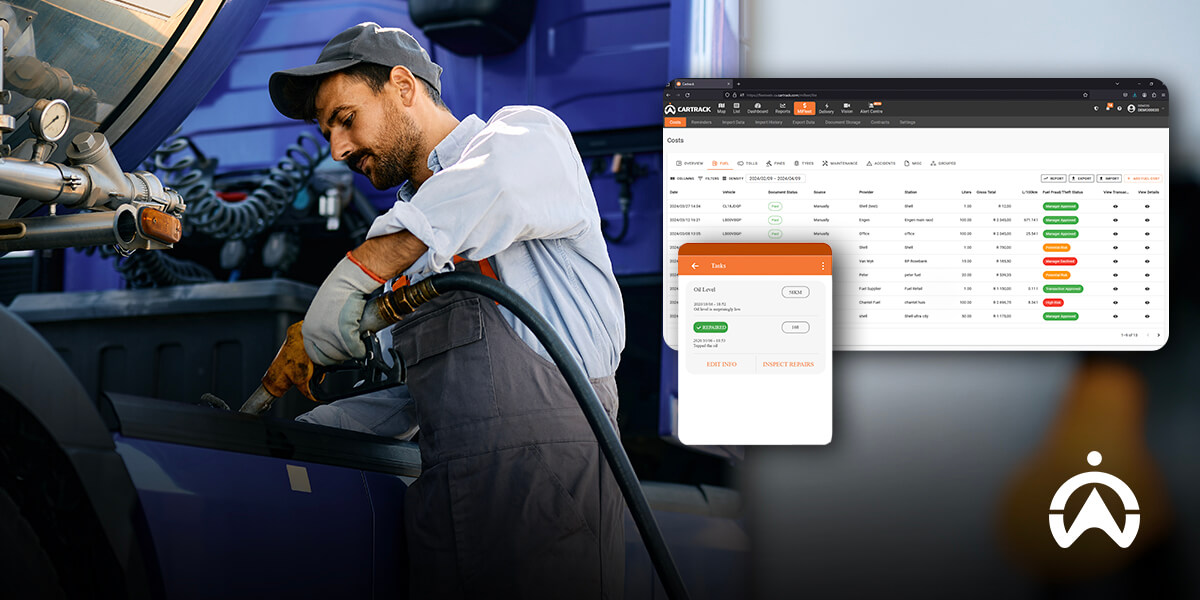
Let our cost management platform automatically review all your fuel transactions. Mifleet eliminates the manual administration that could take weeks to process. It matches fuel receipts with the vehicle’s telematics data, such as location, litres and tank capacity. You will receive alerts of any suspicious activity, so that you can investigate further and take action. - Geofence
Create a virtual fence around your preferred filling stations so that you receive alerts when your trucks enter or leave them. This ensures that your drivers refuel only at trusted, cost-effective stations that are in line with the set routes. - Fuel probes
Install a fuel probe: this is an electronic piece of hardware that is placed in your trucks’ fuel tanks and allows fuel levels to be monitored in real time. It ensures highly accurate readings, and if there are sudden drops, which may indicate theft, you will receive an alert and be the first to know. - Driver identification tags
Know instantly which driver was using which truck through our advanced driver identification tags. This reinforces driver accountability, which means that, should there be any suspicion of fuel theft, drivers will know they will be held responsible. - Fuel reports
Access detailed reports of refuelling events, such as date, time, location and quantity. Get fuel report charts and fuel efficiency data that compare target ratings with the vehicle category.
Choose the best fuel management software — Cartrack
Our fuel management solution helps you detect fuel theft easily and maintain good fuel consumption levels by providing accurate information about where the leaks are coming from. Contact us today to stop theft and put money back in your pocket.
Take a look at our frequently asked questions for more fuel-related tips
How do you stop fuel theft from trucks?
Invest in fuel monitoring software and install anti-fuel-theft devices such as tank alarms, fuel caps and an anti-siphoning device.
How do you manage fuel for the fleet?
Implement a fuel management system and incorporate telematics, prioritise vehicle maintenance, use fuel cards and keep an eye on transactions, monitor driver behaviour and, finally, train your drivers in fuel-efficient driving habits.
How do you prevent fuel theft?
Make sure your vehicle is parked in a safe place and that the fuel cap is always locked.
How do I monitor the fleet’s fuel consumption?
Invest in GPS telematics such as fuel level sensors, like fuel probes. They will give you accurate readings as well as detailed insights. In addition, telematics also monitors the vehicle’s overall health and driver behaviour, which is also important when you are looking to minimise fuel expenses.
For more details, get in touch with us today.