South Africa
 Botswana
 Kenya
 Malawi
 Namibia
 Nigeria
 Swaziland
 Tanzania
 Zimbabwe
 Hong Kong
 Indonesia
 Singapore
 Malaysia
 Philippines
 Thailand
 New Zealand
 Vietnam
 Poland
 Portugal
 Spain
 United Arab Emirates

 PT

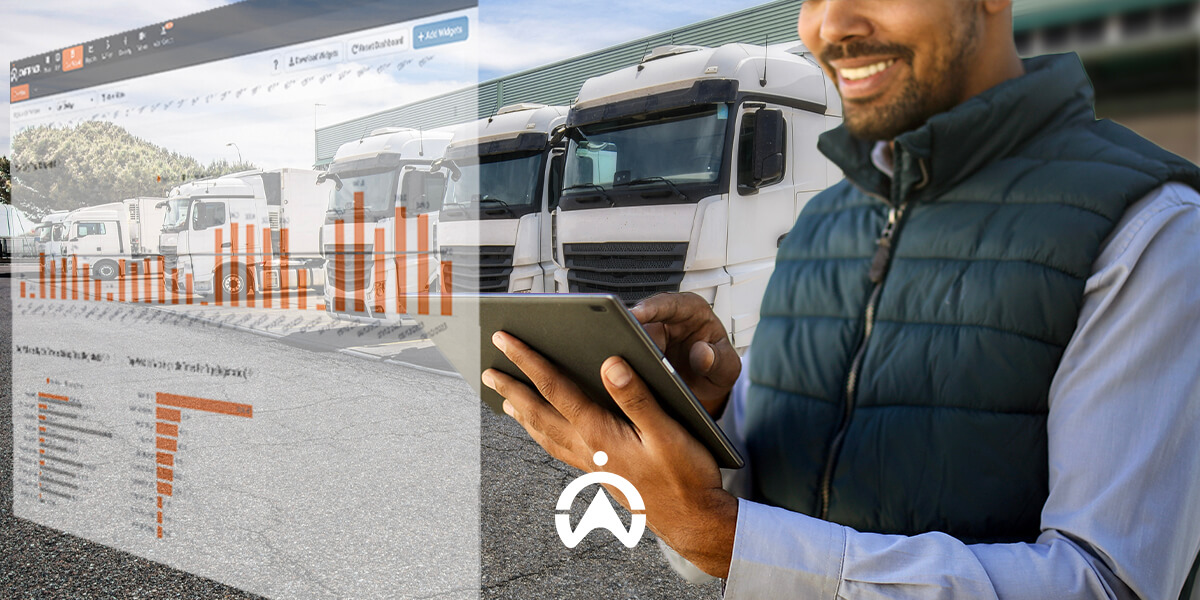
Managing a fleet of trucks, whether it's a few vehicles or a few hundred, comes with its own distinct share of challenges.
These challenges can undermine the efficiency of your entire fleet, pushing up operating costs and shortening vehicle lifespan, among many other things.
That's why a good fleet management system is the key you need to elevate your truck fleet management.
In this article, you will:
- Recap what fleet management is
- Find out what makes a good fleet management system
- Learn about the challenges truck fleet management presents
- Discover the solution from Cartrack Mozambique that will help you elevate your truck fleet management
What is fleet management for trucks?
Because of differences in regulatory compliance, vehicle complexity and fuel efficiency, managing a fleet of trucks can be more complex than managing ordinary vehicles such as cars and vans. This makes specialised systems extremely important for managing them effectively. This specialised approach involves considerations such as load capacity, route optimisation for long-haul trips and regulatory measures, helping to meet the unique demands of the trucking sector. Truck fleet management is made up of a comprehensive set of practices built around the acquisition, maintenance, safety and monitoring of a group of trucks.
Why is fleet management so important?
As a fleet manager, you are already under immense pressure, and a fleet management system can relieve some of that for you. Here are some of the benefits a fleet management system can help you unlock:
- Remote fleet management: Gone are the days when you had to be stuck in an office chair with piles of paperwork and a fixed screen to keep watch over your fleet. Fleet management systems let you follow all your fleet's operations remotely, allowing you to manage your fleet from anywhere, at any time. This helps ensure you have time for other fleet activities by eliminating all the extra admin.
- Automated reports: As a fleet manager, having to keep track of your fleet's entire operation is already a time-consuming task. Fleet management takes away some of that stress by generating automated reports that provide insight into all your fleet's operations, from fuel consumption to maintenance reports.
- Real-time visibility: as a fleet manager, having real-time updates on vehicle location, delivery status and vehicle condition helps you unlock a new level of proactivity. You can monitor and resolve problems the moment they are detected, ensuring they are fixed before they become serious and costly. With all this, it's clear that fleet management is not only a crucial part of business success, but also plays an important role in simplifying your work as a fleet manager. But what makes a good fleet management system?
What makes a good fleet management system?
Fleet management systems rely on two crucial components to work effectively, namely hardware and software. Let's explain this in detail.
- The hardware:
Fleet management hardware refers to the physical devices and equipment used to collect driver and vehicle data. It is essential for recording the data that will be reported to fleet managers and then transmitting that data to a cloud-based platform. The hardware components of a good fleet management system are:- GPS tracking technology: The Global Positioning System (GPS) is a satellite-based navigation system that provides location and time information from anywhere. GPS is important for fleet management because it provides real-time visibility of where fleet vehicles are, enabling route optimisation and greater security.
– Sensors: Sensors are devices that collect data on various aspects of a vehicle's performance, location and driver behaviour. These sensors can be used to monitor tyre pressure, fuel consumption, odometer readings, load status and much more. Sensors are important for fleet management because they play a crucial role in efficiency and cost-effectiveness.
– Cameras: Often called fleet dashcams, these are video recording devices installed in fleet vehicles to capture real-time footage of drivers, the road and the cargo. These are important tools for fleet management, as they provide valuable insight into driver behaviour, road accidents and vehicle performance. This helps reduce the risk of costly accidents, encourages targeted driver training and improves safety overall.
- The software:
Fleet management software analyses and presents the fleet data collected by fleet management hardware. This is essential for increasing efficiency and improving fleet visibility. The software components of a good fleet management system are:- Fleet maintenance software: designed to streamline maintenance workflows, automate preventive maintenance schedules and provide real-time updates on vehicle maintenance needs, this software helps you monitor and manage your vehicle's maintenance from the earliest possible stage.
– Driver management software: Designed to monitor and track driver behaviour in real time, this software collects data on various aspects of driver behaviour, such as harsh braking, speeding and idling. This helps you identify and address unsafe driving habits, helping you improve fleet efficiency, safety and productivity.
– Automated reports: These are customised, detailed reports that give fleet managers important information on various aspects of their fleet. Covering a wide range of metrics, including maintenance, asset utilisation and fuel consumption, these reports offer real-time visibility of your fleet's operations, helping to identify trends and areas for improvement.
What are the key components of effective truck fleet management?
Although truck fleet management uses the same components that commercial fleet vehicles use, there are some important differences. Trucks are designed for specific purposes and industries, while commercial fleet vehicles can vary in size, type and use. This difference means that the usual fleet management solutions will not be enough for trucks, as they have specific needs in terms of maintenance, operation and management. These are the areas that typically need specific solutions to cater for trucks in fleet management:
- Fuel management: it's no secret that trucks use more fuel than commercial fleet vehicles. This makes it important to have an effective fuel management system, as it helps ensure your trucks can complete their tasks as efficiently as possible without wasting fuel. Know exactly how much fuel your vehicles are using with fuel consumption monitoring, which helps detect sudden fuel spikes and spot possible fuel theft.
- Vehicle maintenance: Because of the way trucks are used, they require more maintenance than commercial fleet vehicles. Trucks have to carry heavy loads, cover long distances and operate in harsh conditions, which puts even more strain on them. Unexpected breakdowns can be quite common, given the long distances they travel, and this can lead to costly stoppages, affecting schedules and deliveries.
- Asset management: Monitoring and maintaining a large number of trucks can be a challenge. This is where asset management comes in, helping you keep an eye on each of your assets. One example of this is vehicle and equipment performance tracking, which tells you which vehicles are over- or underused. This helps ensure your assets are used efficiently and stay in optimal condition.
- Route planning: Trucks have to comply with specific road rules, such as speed limits, which can cause delays to delivery times and, unlike typical commercial vehicles, they cannot travel on every road. This is where route planning comes in, helping fleet managers optimise routes to avoid traffic congestion, road closures and other delays, ensuring faster turnaround times.
- Driver behaviour monitoring: Dangerous driving behaviour doesn't just lead to financial losses. It also leads to injuries and fatal car accidents. In fact, in 2022, trucks were involved in 57,3% of all accidents on the N3 toll route in South Africa. A study by the Road Traffic Management Corporation (RTMC) showed that heavy load vehicles with a gross mass of more than 3.500 kg are responsible for 9,4% of all fatal accidents on South African roads. Seeing how significantly trucks contribute to annual accident rates makes it vital for fleet managers to prioritise driver safety and behaviour.
What are some of the difficulties of managing a fleet of trucks?
Navigating the complexities of managing a fleet of trucks presents a series of multifaceted challenges. These include:
- High operating costs: Trucks, by their nature, burn larger amounts of fuel, especially on long-haul trips, which translates into higher operating costs. These long-haul trips also mean trucks need more frequent maintenance to keep them in good condition.
- Driver retention: Because of the tight schedules and demanding nature of fleets that use trucks, skilled drivers are very important. Finding skilled drivers and retaining them is an ongoing challenge in the trucking sector because of high demand and turnover rates.
- Data management and analysis: Managing a fleet of trucks requires recording and presenting large amounts of complex data. Handling and making sense of the large volumes of data collected from trucks, including maintenance records, driver behaviour and operational metrics, can be a challenge, especially without effective data management and analysis tools.
- Communication with drivers: Fleet managers need to maintain effective communication with their truck drivers to ensure compliance with regulations, safety standards and company policies, which can be difficult if no streamlined methods are in place.
- Driver safety: In the trucking industry, driver fatigue and distraction are very common among truck drivers. Fleet managers need to make sure their truck drivers adopt safe driving habits, since risky driving can lead to unfortunate consequences for the drivers and for the entire truck fleet operation.
How do you solve these difficulties with a fleet management system?
Navigating the complexities of fleet management means tackling operational challenges that affect costs, efficiency and overall productivity. This shows the importance of a comprehensive fleet management system. This integrated solution offers a range of tools and strategies designed to tackle the main challenges faced by fleet managers responsible for trucks. These include:
- A fuel management system
Fuel management systems are an essential component of fleet management. They help fleet managers control and monitor fuel consumption and costs. With fuel costs being one of a fleet's most significant expenses, a fuel management system can minimise these costs by helping you identify inefficiencies in fuel use. A fleet management system gives you access to real-time data on fuel consumption. This helps you detect when your vehicles experience a sudden drop in fuel levels and identify potential fuel theft, which can significantly affect a fleet's bottom line and efficiency. - Preventive maintenance
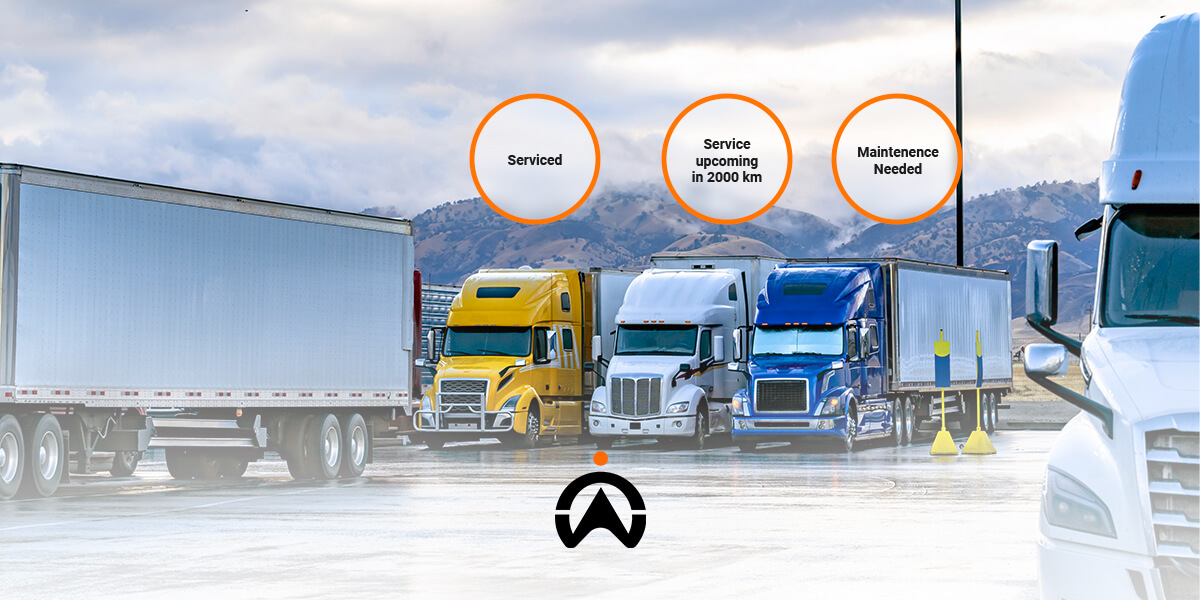
Preventive maintenance is a proactive way to ensure fleet vehicles operate with safety and efficiency. By using vehicle data on mileage, time elapsed, engine hours and fuel consumption, you can know exactly when your vehicles need maintenance and which parts need replacing. This is crucial in helping you reduce vehicle breakdowns and avoid unplanned vehicle stoppages. Unplanned vehicle downtime can be damaging to a fleet's success, leading to late deliveries, unhappy customers and lost revenue opportunities. - Monitoring driver behaviour
A crucial tool for improving the safety and efficiency of a fleet and its drivers. By monitoring driver behaviour, fleet managers can use real-time alerts to help drivers correct their behaviour. Driver behaviour monitoring can also provide valuable insight into driver performance, allowing fleet managers to identify areas for improvement and implement training programmes to resolve any problems. By promoting safe and efficient driving habits, driver behaviour monitoring can help reduce fuel consumption, vehicle wear and tear and maintenance costs. - Automated data entry and reporting
Automated reports in fleet management help resolve difficulties by giving fleet managers real-time, customised and detailed information on their fleet's performance. These reports can cover a variety of fleet metrics, including fuel consumption, maintenance and asset utilisation. By automating the reporting process, fleet managers can save time and ensure they have access to this information from anywhere, at any time. These reports help encourage data-driven decision-making. Manual data reporting can lead to more human error in record-keeping, more time spent, and limited visibility and insight. - Route optimisation software
Route optimisation is a critical fleet management tool for improving a fleet's efficiency and cost-effectiveness. By analysing data and considering factors such as traffic conditions and delivery schedules, fleet managers can develop effective, safe route plans for their drivers. It provides real-time updates and adjustments, allowing fleet managers to respond quickly to changes in traffic, weather or delivery schedules. Unoptimised routes mean higher fuel consumption (due to longer travel distances and excessive idling), lower driver productivity and efficiency (due to inefficient scheduling and driver fatigue) and more vehicle wear and tear (due to harsh driving conditions).

What are the benefits of fleet management for trucks?
Below are 5 of the many benefits fleet management brings to managing truck fleets:
- Longer vehicle lifespan: Systems for fleet management can extend the lifespan of trucks by implementing preventive maintenance programmes. This helps reduce downtime and ensures trucks are serviced and maintained routinely.
- Greater vehicle security: Fleet management systems help you know exactly where your trucks are at all times, helping you unlock maximum visibility and safety.
- Reduced operating costs: Fleet management systems can help reduce trucks' fuel consumption, maintenance costs and overall operating costs by optimising routes, reducing idle time and improving the overall performance of your trucks.
- Greater customer satisfaction: Fleet management systems can help truck fleets improve on-time delivery, route planning and overall customer service, which leads to greater customer satisfaction.
- Better driver performance: Fleet management systems can give truck fleets real-time feedback on driver behaviour, helping them improve their performance and reduce the risk of truck-related accidents.
How Cartrack Mozambique's solutions help elevate your truck fleet
As an industry leader in fleet management solutions, Cartrack Mozambique is your ultimate guide to elevating your truck fleet management. Unlock the benefits listed above by using the following Cartrack solutions:
- Vehicle tracking and monitoring
Cartrack Mozambique uses GPS technology to pinpoint the precise location of your vehicles in real time. This gives you access to two solutions that can elevate your truck fleet management, namely:- Real-time GPS tracking: Get unrivalled visibility of your fleet with Cartrack Mozambique's real-time GPS tracking system, providing accurate, real-time GPS location through a user-friendly interface. Live tracking of your fleet allows an immediate response in the event of theft or unauthorised vehicle use, which helps recover your truck quickly and minimises possible losses. But it doesn't stop there, because full visibility helps you know where your trucks are at all times. This helps you monitor drivers and job progress, ensuring you keep customers up to date.– Make use of geofencing: Monitor vehicle activity with the geofencing tool from Cartrack Mozambique. This software acts as an additional layer of security, designed to alert you in real time when your trucks enter or leave authorised zones. This feature helps improve fleet security and efficiency by increasing the visibility of your vehicle's activity, helping you ensure drivers only operate your equipment in the designated areas.
- Fuel Management
Cartrack Mozambique brings you a comprehensive fuel management system designed to help fleets manage and monitor their fuel consumption. Use the following features to elevate your truck fleet management:- Fuel level monitoring: monitor your truck's fuel levels in real time using Cartrack Mozambique's fuel sensors. Get accurate data on fuel consumption per vehicle, driver and route, which allows precise analysis and targeted fuel-saving strategies. Receive immediate alerts about unusual drops in fuel level, helping you prevent fuel theft quickly.– Fuel efficiency reports: Fuel theft is a big problem, especially for trucks, and as trucks have more than one tank, large amounts of fuel can be stolen in one go. Automatically record and track refuelling transactions and eliminate manual data entry. The system can review all your fuel transactions and match them against the truck's telemetry data, ensuring accurate fuel consumption calculations and helping you identify possible fuel theft.
– Fuel card integration: simplify fuel expense tracking and enhance your truck's fuel management capabilities with Cartrack Mozambique's fuel card integration. Cartrack's system automatically collects fuel card transactions, increasing the accuracy and reliability of the data while reducing the admin burden and the worry of lost fuel receipts.
- Driver management
Cartrack Mozambique offers a comprehensive driver management solution designed not only to improve driver behaviour, but also to increase safety and optimise fleet performance. Use the following driver management features to elevate your truck fleet management:- Monitoring driver behaviour: keep an eye on your drivers' behaviour with our driver behaviour monitoring. Truck drivers typically travel long distances, and the monotonous road environment makes them more prone to driver fatigue. Our technology conveniently addresses unsafe driving behaviour by identifying dangerous driving habits, such as speeding and harsh braking, and driving distractions, such as excessive yawning. With real-time alerts, drivers can correct their behaviour immediately, preventing potential accidents from happening.– Driver training and coaching: identify and correct dangerous and fuel-hungry driving behaviour in your truck drivers and establish more fuel-efficient driving habits. Our technology provides insight into driver behaviour that increases fuel consumption, such as excessive idling and harsh driving. This helps identify the areas in which your drivers need targeted training.
– Driver identification tags: improve the safety of your fleet by ensuring that only authorised drivers operate your trucks, reducing the risk of theft and unauthorised use. Cartrack's driver identification tags help optimise workforce management by ensuring accurate working hours are recorded for each driver, simplifying driver behaviour management and monitoring. In addition, not every driver in your fleet may hold a driving licence; this helps ensure that only certain qualified drivers operate your vehicles.
- Preventive Maintenance
Ensure your fleet vehicles are always running at optimal levels, helping you maintain your vehicles proactively, minimise downtime, reduce maintenance costs and extend vehicle lifespan. Use the following preventive maintenance features to elevate your truck fleet management:- Scheduled maintenance reminders: Trucks are expensive, and that makes maintenance all the more vital for them. Receive automated reminders and alerts to ensure fleet vehicles are maintained on time. These alerts are based on mileage, engine hours and usage to ensure timely maintenance. This helps ensure road safety and compliance, increasing your truck's longevity.– Maintenance tracking and history: keep a comprehensive record of fleet maintenance activities, with data ranging from service and repair history to parts replacement and maintenance requirements for each vehicle in the fleet.
– Get real-time diagnostics: Receive real-time alerts for vehicle diagnostics, including engine faults, worn brake pads and oil and water fluctuations. This helps you anticipate which fleet vehicles need maintenance before fleet efficiency is affected.
- Prioritise fleet compliance and reporting
Get access to all the features listed above on one simple, easy-to-use platform. This fleet administration platform provides a comprehensive set of tools to simplify fleet management, helping to unlock the efficiency of all your trucks at the touch of a finger. We provide you with a fleet compliance solution that automates regulatory compliance and keeps clear digital records of fleet logs. Our automated reminders help you keep insurance documents, licences and other regulatory contracts up to date and store them on an easily accessible online platform.
Turn fleet worries into returns with Cartrack Mozambique
Managing a fleet of trucks can be quite challenging, but with an effective fleet management system, you can turn all your big fleet management worries into big fleet management returns.
Contact us today and let's take your truck fleet management to new heights together.