Short-haul trucking is the transport of goods by truck over comparatively shorter distances than long-haul transport. It generally refers to road transport over distances of between 100 km and 250 km, normally within a single province or between neighbouring provinces of Mozambique.
Data from Mozambique’s road transport sector points to a worrying number of accidents involving trucks on the national roads, with a significant impact on pedestrians, especially in rural and suburban areas. Can accidents like these be reduced without compromising speed and efficiency? That is what we will explore in this guide.
In this article, Cartrack goes beyond answering the question “What is short-haul trucking?”. We will create a comprehensive guide to the sector and help you grow your operations in a more profitable, more reliable and more efficient way.
Key takeaways:
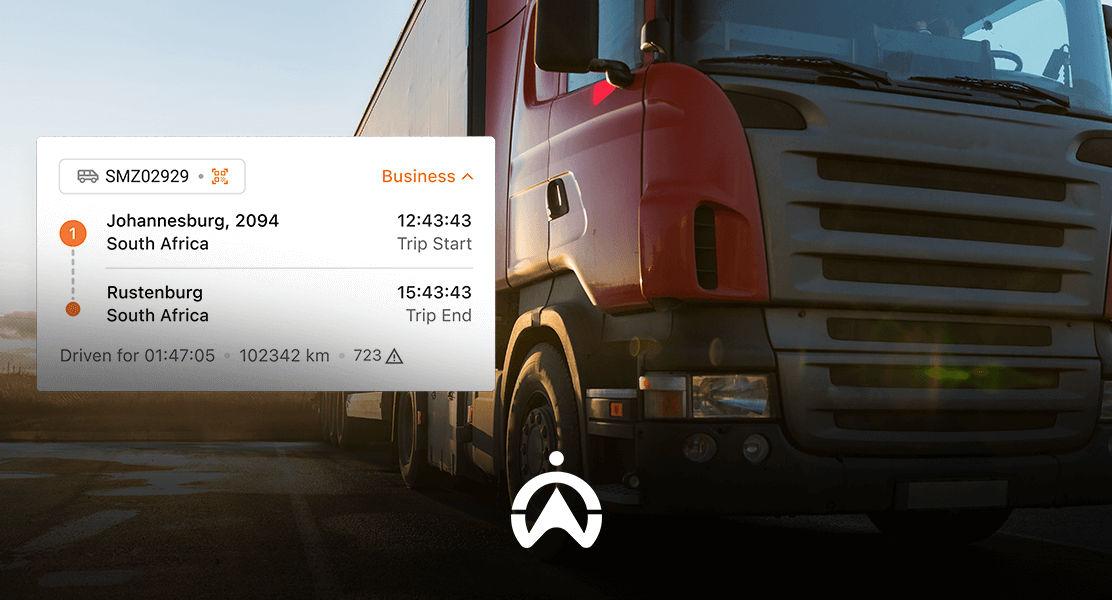
Short-haul trucking covers any delivery within a radius of three hundred kilometres
Drivers stay close to home and make multiple stops, unlike long-haul drivers who travel the length of the country
Drivers face challenges such as heavy traffic, tight deadlines and keeping the cargo in good condition
Cartrack uses advanced technology such as cameras and sensors to help drivers save fuel and travel safely
What is short-haul trucking?
Short-haul trucking in Mozambique refers to any transport by truck that covers less than 300 kilometres. It is a huge and essential sector that includes last-mile deliveries, retail distribution and supplying manufacturing industries. Construction and infrastructure logistics also rely heavily on this type of transport, as does the cold chain that regularly supplies our supermarkets and markets.
How does short-haul trucking differ from long-haul?
Short-haul trucking differs from long-haul in distance, duration and, generally, the type of vehicle used. The big trucks you see on the national roads between provinces are normally driven by long-haul drivers, while short-haul trucking often (but not always) uses smaller vehicles.
Distance
Long-haul trucking covers great distances, crossing from one province to another, and sometimes even crosses borders into neighbouring countries such as Tanzania, Zimbabwe or South Africa. Short-haul drivers, as a rule, stay within their region and distribute goods to relatively nearby destinations.
Duration
A big difference between the two types is how long the delivery takes. Long-haul drivers work long, demanding hours on the road, and it is common to see them pulled over at the roadside to rest or eat before continuing their journey.
Vehicles
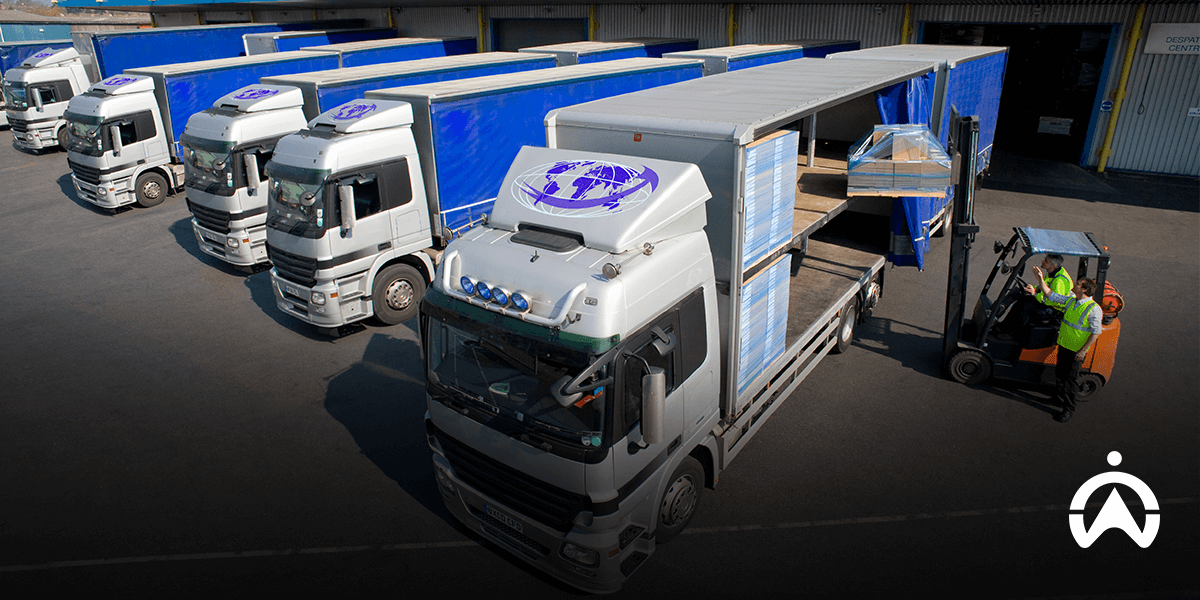
Because logistics companies want to move as much cargo as possible from one place to another (to save on fuel), long-haul drivers normally work with large, heavily loaded trucks. Short-haul drivers do too, but it is more common for them to use smaller trucks with a lower load capacity.
Regulations
Both long-haul and short-haul drivers must comply with the applicable regulations, which may differ slightly. For example, long-haul drivers may have to secure and stow loads in a certain way, while short-haul drivers, because they cover shorter distances, have less strict requirements in this respect.
A day in the life of a short-haul driver
A day in the life of a short-haul driver has its own particularities, challenges and unique advantages. It is different for everyone, but most work long hours that start early and finish late. They also have a range of responsibilities relating to their vehicles, their behaviour on the road and meeting deadlines.
What challenges do short-haul drivers face?
Next time you see a short-haul truck driver on the road, consider the challenges they deal with every day:
Truck maintenance and compliance with road regulations
Tight deadlines to reach the destination (without breaking traffic laws)
Keeping the cargo in good condition along the way
Keeping the vehicle secure when parked
Managing multiple stops in a single day
Dealing with traffic and the deterioration of road infrastructure in Mozambique
How is technology shaping the short-haul trucking sector?
The fleet management companies have been trying to solve many of these problems, and Cartrack has managed to be at the forefront of solving ALL of them. Technology, in the form of telematics, AI fleet software and IoT (the Internet of Things), is evolving rapidly, and we are the company in Mozambique that is leading this evolution!
Here are the ways we have made short-haul trucking more efficient, safer and more profitable:
Cartrack has developed predictive maintenance scheduling to keep trucks in peak condition, reducing downtime and fuel consumption and increasing overall vehicle efficiency.
We have developed route optimisation software that is the most refined on the market, taking traffic, road conditions and temporary closures into account.
Our vehicle security cameras keep an eye on your cargo, switching on and off automatically based on your settings (door open, engine running, etc.).
Cartrack’s temperature monitoring sensors are ideal for short-haul trips where perishable goods are transported.
Our vehicle cameras have a “parking mode” setting, switching on automatically if the cameras or the vehicle are tampered with.
Short-haul fleet owners will love our fuel management software, which monitors consumption and lets you make adjustments that can save up to 24% on fuel expenses.
Imagine having these features in your short-haul trucking company. Imagine the increase in profits, the satisfaction of your drivers and the boost to your reputation with customers!
Call us to discuss implementing these features in your short-haul fleet.
Why is short-haul trucking vital to Mozambique’s economy?
Short-haul trucking is vital to the Mozambican economy because it forms the backbone of construction, infrastructure and last-mile deliveries. It is short-haul trucks that stock our shops, deliver essential materials for construction and distribute e-commerce orders. Without this supply chain, our economy would practically grind to a halt.
It would be hard to think of an industry in Mozambique that is not supported by short-haul trucking. But for the purposes of this read, let’s look at just a few examples.
The last-mile connection
Online shopping is just a drop in the ocean of the countless industries that depend on last-mile deliveries. This is the final part of any delivery before it reaches the end consumer, and it includes retail, manufacturing, printing, the cold chain, household appliances and much more.
Experimenting with electric vehicles in short-haul trucking
The interesting thing about short-haul trucking is that it is the ideal sector for trying out electric vehicles (EVs). Why? Because the distances are relatively short, and troubleshooting is much easier. Globally, EV trucks are being seriously considered for this segment. In Mozambique, delivery motorbikes and electric bicycles are already starting to be used to bypass fuel costs completely in urban centres such as Maputo and Matola. Imagine the savings if this could be extended to small and large trucks!
Small businesses and local trade
Plumbers, electricians, carpenters, roofers and other tradespeople depend on short-haul trucking for their materials, supplies and tools. Imagine how your area would come to a standstill if there were no one to repair the essentials in your home!
Tips for short-haul drivers in Mozambique’s demanding working environment
At Cartrack Mozambique, we talk to truck drivers of every kind. We listen. We learn. We put ourselves in their shoes. As fleet software developers, we are always trying to make their lives easier and safer, while optimising operations for their managers.
Here are some tips for short-haul drivers (and for those who manage them):
Tip No. 1: Focus on strategic route planning rather than speed
Tip No. 2: Stay safe and drive responsibly
Tip No. 3: Know your vehicle and how to keep it in good condition
Tip No. 4: Be prepared: rest well and eat before you start your day
Strategy vs. speed
A maps app on your phone can give you the fastest way to a destination. But only route optimisation software offers optimisation based on the weather, road conditions and real-time events, applied to each driver as they work.
Responsible driving
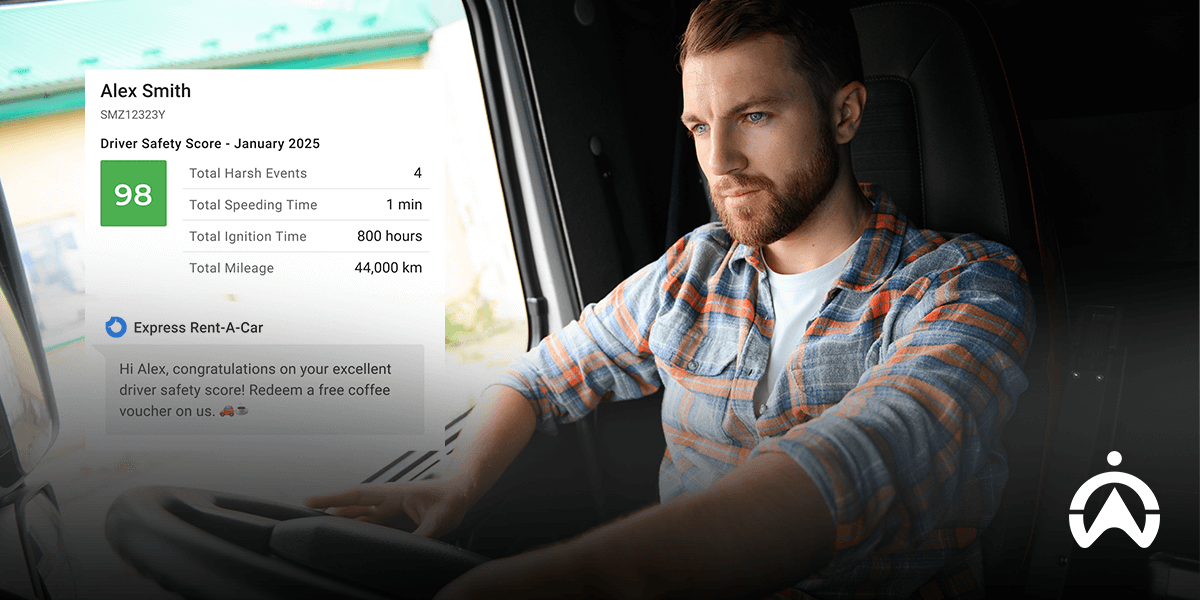
Cartrack has simplified driver training with AI cameras and GPS tracking that detect behaviours such as:
Harsh Cornering
Sudden braking
Distracted driving
Seat belt use
Fatigue at the wheel
If there are flaws in the way you drive your truck, managers can focus training on exactly the areas where the driver struggles most.
Vehicle health
AI has come a long way in making vehicle maintenance a simpler task. A calendar app can schedule the truck’s maintenance, but only AI fleet software can PREDICT when the vehicle needs its next service.
Driver health
You will be the best version of yourself if you are well rested and have energy for the day. Have a nutritious meal before you start, and make sure you go to bed at a reasonable hour. Remember that eating, drinking, smoking and falling asleep have no place in a driver’s working life. Stay safe and, whenever possible, rely on technology that detects these warning signs and alerts you while you drive.
Partner with the company that prioritises driver safety and vehicle health. Our consultants are available to help you put together the ideal fleet management package for your operation.
Frequently Asked Questions about Short-Haul Trucking and Fleet Management
How many hours does a short-haul trip take?
A short-haul trip can take between 1 and 5 hours, depending on the area covered, road conditions and traffic. Short-haul trucks are designed to cover relatively short distances, so suitable speed, cargo space and manoeuvrability are key factors in choosing the right vehicle.
What is the correct method for transporting food?
The correct way to transport food must comply with the MISAU and MADER standards in Mozambique, which set requirements for hygiene, temperature control and handling. Food must NOT come into contact with the floor, and must be stacked in a way that preserves its quality, ensuring air circulation, sealing or correct stacking.
What is the average salary of a truck driver in Mozambique?
A truck driver’s salary in Mozambique varies according to experience, working hours, the type of cargo carried and the employer. For up-to-date information on salaries in Mozambique’s road transport sector, consult the Instituto Nacional de Emprego e Formação Profissional (INEFP) or the pay scales set by the sector’s collective agreements.
What is the difference between trucking and freight?
Trucking refers to the mode of transport, while freight refers to the cargo itself. When people talk about trucking, they mean road travel with a loaded truck. When they talk about freight, they may be referring to any load of goods in the context of ships, trains, planes or road vehicles.
What are the challenges of long-haul trucking?
The challenges of long-haul trucking include long driving hours, limited vehicle manoeuvrability and pressure to meet delivery deadlines. Long-haul drivers also need to manage their time well, as they have little room to eat, rest and recharge. In Mozambique, added to this are the condition of some national roads and the risk of robbery on certain routes.
Other articles for you
What Are the 5 Cameras Cartrack Offers for Business and Personal Use?
Blogs
11 minute read •
The 5 cameras (dashcams) that Cartrack Mozambique offers for business and personal use are Road Vision, Dual Vision, MultiVision, AI Dash Pro and AI MultiVision. These solutions meet a wide range of needs and keep you protected on the road at all times. Whether you run a complex fleet or simply want to protect your personal vehicle, Cartrack has the […]
How to Move from Reactive to Proactive Fleet Management
Blogs
11 minute read •
To move from reactive to proactive safety in your fleet, you need to invest in an advanced telematics system with artificial intelligence cameras. An advanced telematics system uses predictive maintenance to keep you informed about the mechanical condition of your vehicles, while AI cameras show you how your drivers behave behind the […]
Food Transport Facts and What You Need to Know When Managing Your Fleet
Blogs
11 minute read •
Important facts about food transport in fleet management: keeping perishable goods fresh in transit directly affects your profits — and mixing food loads is a serious mistake. Other facts include the food distribution regulations in force in Mozambique, the challenges of electricity supply and the […]
 South Africa
 Botswana
 Kenya
 Malawi
 Namibia
 Nigeria
 Swaziland
 Tanzania
 Zimbabwe
 Hong Kong
 Indonesia
 Singapore
 Malaysia
 Philippines
 Thailand
 New Zealand
 Vietnam
 Poland
 Portugal
 Spain
 United Arab Emirates

 PT