Fatigue is one of the most overlooked causes of road accidents. Drivers believe they are only at risk of crashing if they are distracted or under the influence of alcohol, but exhaustion can be just as dangerous.
When drivers are drowsy, they have slower reaction times and find it hard to make decisions, which increases the likelihood of accidents. Yet many underestimate their tiredness, leading to risky behaviour behind the wheel.
To avoid this, drivers should make small changes to their daily routines, significantly reducing fatigue. In this section, we will explore simple strategies to prevent these accidents from happening
Get enough rest before driving
Adults need roughly 7 to 8 hours of sleep to function at their best during the day. When you are well rested, you are more alert, concentrate better and make better decisions. However, it is not just about the amount of sleep; quality is key too.
Here are seven tips to help improve the quality of your sleep:
Only take naps of 20 to 30 minutes during the day to avoid disrupting your night-time sleep cycle.
Make sure your bedroom is at the right temperature and dark enough.
Avoid using your mobile phone and watching television for at least two hours before going to bed.
Exercise
Invest in a comfortable mattress and pillow
Avoid heavy meals, caffeinated drinks and smoking before bed.
Keep to a fixed schedule.
It is important to make sure your drivers show no signs of exhaustion before they hit the road. Always plan trips in advance to give them time to rest properly and prepare for the journey.
Take regular breaks on long journeys
Sitting for long periods can reduce blood circulation and cause back pain, leg cramps and drowsiness. To avoid this, drivers should take short breaks every two hours, allowing them to stretch their muscles and refresh their minds.
These short breaks should be taken at designated rest areas, so fleet managers need to include these rest areas when planning routes. This helps drivers stay refreshed and alert throughout the journey.
Share the driving whenever possible
Consider driving with passengers to help you stay alert through conversation. If they can drive, share the driving to help reduce fatigue
This also applies to fleet drivers; having two drivers share a long journey can significantly reduce driver fatigue. Taking turns ensures each driver is well rested and alert, which makes the journey safer and more comfortable for everyone.
Stay hydrated and eat light food
Your eating habits contribute to road safety, especially if you spend hours behind the wheel. Choosing healthy snacks while on the road can help you stay focused and alert. Simply swap highly processed and fatty foods for nutrient-rich options for lasting energy.
Take a cooler bag with fresh fruit and light snacks, such as grapes, bananas, nuts and cheese. Remember that eating behind the wheel can be dangerous. To minimise distractions, eat meals and snacks only during breaks and not while you are driving.
Take a bottle of water to stay hydrated throughout the journey. Dehydration can make your muscles feel tired and stop them functioning well because of the imbalance of salts in the body. This will end up affecting your ability to drive and may result in accidents.
Avoid driving at peak fatigue times
Avoid driving at times when your body is naturally tired and ready to sleep, such as at midnight or in the early hours of the morning.
Fleet managers, as far as possible, plan trips during the day, since the body is naturally more alert at those times. This simple adjustment can significantly reduce the risk of accidents caused by fatigue.
Key signs of fatigue that can cause road accidents
Fatigue can affect physical, mental and cognitive abilities, making it harder to respond quickly to changing conditions. Recognising the signs and symptoms can help individual and fleet drivers significantly reduce the risk of road accidents.
Identify the physical signs
A fatigued person may show symptoms such as muscle weakness, slow reflexes, muscle aches, headaches, blurred vision and dizziness. If these symptoms appear before the trip, it is best to postpone it and get the rest you need. If these symptoms appear while driving, take breaks and stay hydrated to remain alert.
Identify mental and cognitive changes
Fatigue can affect your mind, which means you may struggle to concentrate, become forgetful and find it harder to process what is happening on the road. If you notice that you are missing exits, struggling to stay focused or reacting more slowly than usual, your ability to make quick, safe decisions is compromised. When these signs appear, it is crucial to pull over or swap drivers to avoid accidents.
Spot risky driving behaviour
If a driver is drifting between lanes, following the vehicle ahead too closely or responding slowly to traffic signals, it means they are experiencing dangerous levels of fatigue. Such behaviour indicates that they are not alert, which increases the risk of accidents. If you find yourself doing any of these things, you need to find a safe place to stop and rest before you carry on driving.
The Role of Fleet Managers in Tackling Fatigue-Related Accidents
Monitor drivers' driving hours: Fleet operators can use telematicsto track and monitor driving hours. Investing in fleet management solutions will help them know which driver is on duty and for how many hours. This not only helps businesses comply with labour regulations, but also ensures drivers are not overworked.
Enforce mandatory rest breaks: sometimes drivers may insist on working overtime, possibly for financial reasons, but managers must have rules about this. They should ensure drivers have mandatory time to rest.
Plan efficient routes: choosing faster, less congested roads helps reduce driving hours, minimising fatigue.
How Cartrack helps reduce fatigue-related accidents in the fleet
Cartrack has a wide range of products and solutions that help keep drivers safe and minimise fatigue-related accidents. Through the use of telematics and advanced technology, our systems contribute significantly to safer roads.
AI-powered cameras
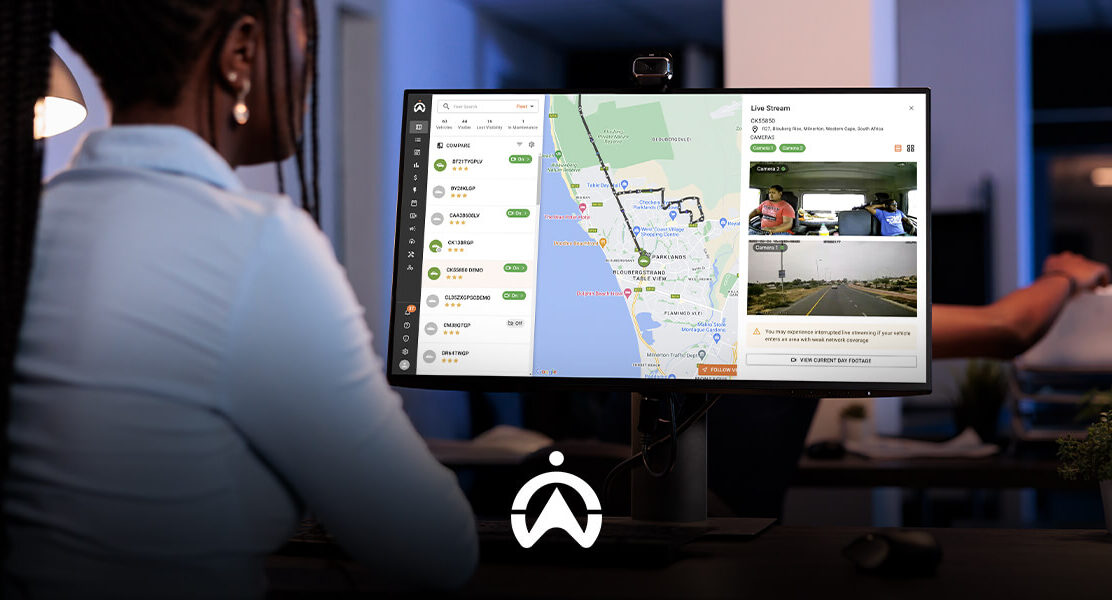
Our AI camera solutions withdualvision can detect signs of fatigue, such as yawning, and track the position and orientation of the driver's head. If these events are detected, the driver immediately receives audible in-cab alerts, prompting them to self-correct and avoid accidents
Fleet managers can review the recorded footage to provide guidance and support. This allows them to address any violations and offer the training needed to ensure drivers stay alert and safe on the road.
Advanced Driver Assistance System (ADAS)
ADAS uses camera-based sensors and AI technology to increase driver attention and prevent accidents. This system alerts drivers to potential hazards, which improves driver safety.
Forward collision warning: alerts drivers when their vehicle gets too close to another vehicle or obstacle. This helps avoid potential collisions.
Blind spot detection: warns drivers of vehicles in their blind spots, reducing the risk of accidents when changing lanes.
Automatic emergency braking: detects possible collisions and applies the brakes automatically to reduce the impact or avoid a collision altogether.
Driver Identification Tags
A driver identification tag is a small electronic device that allows fleet managers to identify exactly which driver is operating a vehicle at any time. This gives them full control over their drivers and fleet, tracking vehicle use, monitoring driver behaviour and ensuring only authorised drivers are behind the wheel.
These tags provide automated records of working hours, helping fleet managers comply with labour regulations and prevent driver fatigue by enforcing rest periods. Any additional hours require an overtime agreement. By monitoring working hours, driver identification tags help prevent fatigue and increase road safety.
Route Optimisation
Cartrack's fleet management software allows fleet operators to optimise their routes. This not only ensures on-time deliveries, as routes will be faster and shorter, but also keeps drivers from spending long periods on the road
In conclusion, fatigue is a serious yet underestimated factor in road accidents. By prioritising enough rest, taking regular breaks when driving and adopting a healthy lifestyle, drivers can reduce the risk of fatigue-related accidents. Cartrack's advanced solutions, such as AI cameras, real-time monitoring and route optimisation, play a crucial role in helping them stay safe. Using these tools can benefit individual and fleet drivers by managing fatigue effectively and improving road safety overall.
Contact us todayto discover ways Cartrack's solutions can help you stay safe on the road
Frequently Asked Questions about Driver Fatigue
Q: Does fatigue only affect long-distance drivers?
A: No, fatigue affects all drivers, including those who drive short distances.
Q: How do sleep disorders, such as sleep apnoea, contribute to fatigue when driving?
A: Disorders such as sleep apnoea can interrupt sleep cycles, leading to chronic sleep deprivation. Drivers with untreated sleep disorders may feel extremely tired during the day, which affects their driving performance. This means they are more prone to road accidents caused by drowsiness.
Q: Can I rely on caffeine to keep me awake while I drive?
A: Caffeine can temporarily increase alertness; however, it should not be seen as a long-term solution for managing fatigue. Once its effects wear off, your body can crash, which may cause even greater fatigue. The best solution is to rest and take breaks rather than rely on stimulants.
Q: Can taking over-the-counter medication cause fatigue and affect driving?
A: Yes, many over-the-counter medicines, especially those for allergies or colds, can cause drowsiness as a side effect. Drivers should read medicine labels and avoid driving if they could impair their alertness or reaction time. It is also best to notify your fleet manager if you are taking any medication that could interfere with driving
Q: Can the weather contribute to driver fatigue?
A: Driving in adverse weather conditions, such as snow, heavy rain or intense heat, demands more concentration and can cause stress or discomfort, leading to increased fatigue.
Q: Can stress contribute to driver fatigue?
A: Yes, high stress levels can negatively affect a person's sleep patterns, resulting in fatigue.
Q: Can I play loud music to increase my alertness?
A: Playing loud music may make you temporarily alert, but it is not a reliable solution for dealing with fatigue.
Other articles for you
Food Transport Facts and What You Need to Know When Managing Your Fleet
Blogs
11 minute read •
Important facts about food transport in fleet management: keeping perishable goods fresh in transit directly affects your profits — and mixing food loads is a serious mistake. Other facts include the food distribution regulations in force in Mozambique, the challenges of electricity supply and the […]
7 Ways to Increase the Efficiency of Your Construction Fleet
Blogs
12 minute read •
The seven main ways to increase the efficiency of your construction fleet are: Use telematics and GPS tracking to keep everything under control. Keep vehicle maintenance up to date.. Implement a fuel monitoring solution. Offer your drivers ongoing training. Plan better routes between sites. Match the size of the fleet to […]
How to Manage Your Light Commercial Vehicles (LCVs) Effectively with Fleet Management Software
Blogs
12 minute read •
To manage your light commercial vehicles effectively with fleet software, you should invest in a platform that directly addresses the biggest challenges LCVs face. LCV fleets deal with unique vulnerabilities because of their frequent trips. Wear and tear, wasted fuel, unexpected downtime and more are some of the main concerns. LCVs are […]
 South Africa
 Botswana
 Kenya
 Malawi
 Namibia
 Nigeria
 Swaziland
 Tanzania
 Zimbabwe
 Hong Kong
 Indonesia
 Singapore
 Malaysia
 Philippines
 Thailand
 New Zealand
 Vietnam
 Poland
 Portugal
 Spain
 United Arab Emirates

 PT