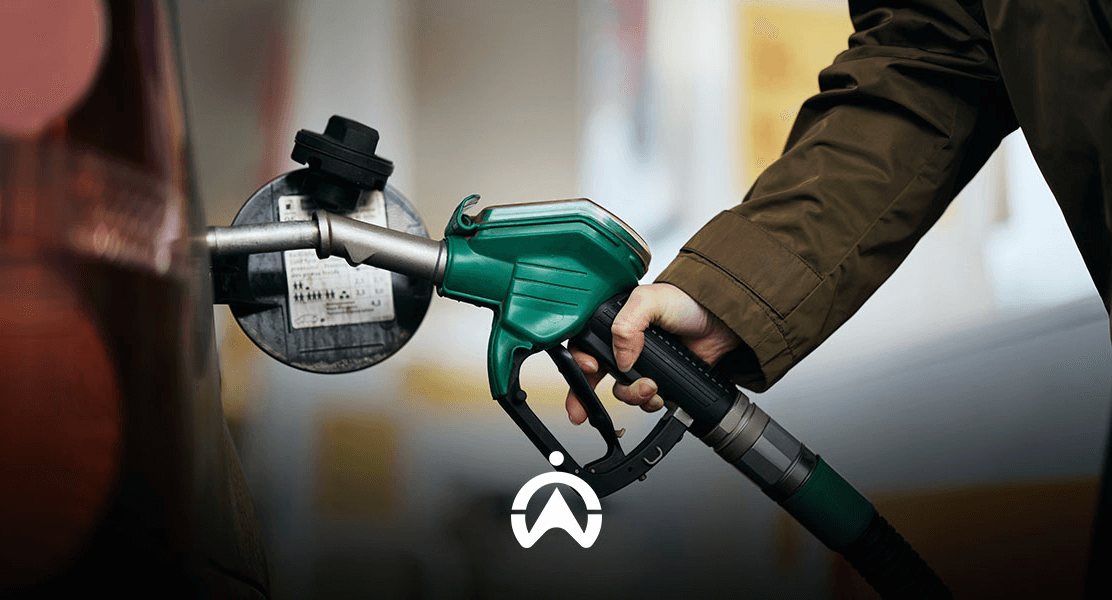
Dirty diesel, contamination crises and dodgy fuel – these headlines have been making top news in South Africa in recent months. This leads us to ask: is the recent news sensationalising the problem of fuel contamination, or do we have a crisis on our hands?
Fuel contamination can harm the performance and running of your fleet vehicle's engine, which explains the concern over the reports of dirty diesel.
As fuel prices rise, it is alarming for individuals and businesses that they could be spending more on fuel while potentially damaging their vehicles and, ultimately, costing themselves millions in the long run.
With Cartrack's fuel monitoring solutions, fleet managers can prevent and stop the dirty diesel refuelling that is happening right under their fleet's nose.
In this article, you will:
- Understand what contaminated fuel is and how it affects your fleet
- Get a detailed breakdown of the signs of dirty diesel in your fleet to watch out for
- Discover five ways to avoid fuel contamination
- See how Cartrack's solutions help with fuel contamination in your fleet
- Uncover the truth about fuel contamination
Why worry about dirty diesel?
Dirty diesel, more commonly called fuel or diesel contamination, refers to impurities in the fuel that reduce its quality and grade. These impurities can be caused by various types of contamination, such as water and microbial (bacterial and fungal) degradation, which occurs during fuel storage and handling.
Here is a more detailed explanation of fuel contamination.
Types of fuel contamination
With more than one type of fuel contamination, it's best to get informed so that you can keep the risks of contamination in your fleet to a minimum.
- Water contamination
Diesel is easily contaminated by water when stored in tanks, through condensation, leaks in the storage unit or poor handling during diesel transfer. This results in microbial growth, rust and the separation of water and oil in the fuel. A little water in the fuel may not seem like a bad thing, especially when water gets into the fuel system by accident, but the saying “water and oil don't mix” holds true when it comes to diesel.
Water levels in fuel must be below the saturation point, so any excess water that enters the vehicle's fuel system can result in bacterial growth, corrosion and, eventually, engine damage.
- Fuel debris
There are two types of fuel debris: organic degradation and inorganic degradation. Organic degradation occurs when diesel fuel is stored in tanks for too long and practically expires. Filling stations and fuel suppliers often add stabilisers and other additives to prevent this type of degradation. It is recommended that vehicle owners or fleet owners have their fuel tanks assessed before using any additive.
Inorganic contamination happens during the fuel handling process, meaning it can be handled improperly when transferred or moved from diesel tanks, trucks or drums and eventually into your fleet's tank. During this process, diesel fuel can come into contact with sand, dirt, rust and other debris, ultimately causing dirty diesel.
- Intentional diesel blending
Dodgy petrol stations may also intentionally reduce the purity of your diesel fuel by adding synthetic fuel, such as illuminating paraffin. A recent news report revealed that the Department of Mineral Energy (DMRE) discovered more than 70 petrol stations selling dirty diesel in South Africa.
These service stations have been deceiving customers by selling inferior, contaminated diesel at premium prices. Beyond the financial impact on individual owners and businesses, dirty diesel can also cause serious problems for vehicles, which is why vehicle owners and fleet businesses should be concerned.
The sad truth about dirty diesel is that it doesn't take excessive dirt in your fleet's fuel system for it to affect your vehicles. Debris and contaminated fuel build up in your system and can have disastrous and costly effects on your cars and machinery in the long run, ultimately affecting their longevity.
But how can you tell whether your fleet is running on dirty diesel? Here are some telltale signs to look out for in your fleet:
– Poor engine performance
– Inefficient fuel consumption
– Fuel tank corrosion
– Difficulty accelerating a vehicle or climbing a hill
– Flashing engine light
– Clogged fuel filters
– Engine stalling
Alternatively, you may want to consider having your vehicle inspected for fuel contamination in the tank. You can no longer ignore or neglect the quality of your fleet's fuel, as it could cost you later.
The negative effects of dirty diesel on your fleet
Businesses that transport goods regularly or work with machinery that relies on diesel will be hurt by the devastating results on their vehicles and machinery.
Dirty diesel can cause:
- Aggressive engine damage
Debris and other contaminants in the fuel can cause significant damage to fuel injectors, pumps and other components of the vehicle's engine.
- Higher maintenance costs
Assessing and fixing the damage caused by dirty diesel, or even pumping the fuel out of your vehicle, can result in higher maintenance or servicing costs.
- Increased fleet inefficiency
Dirty diesel burns faster, leading to increased fuel consumption, forcing the engine to work harder and reducing the performance of the vehicle or machinery.
Prevent and stop fuel contamination in your fleet
Whether your fleet has been accidentally refuelled with dirty diesel and fallen victim to dodgy petrol stations, or perhaps you have simply overlooked the quality of the fuel for your vehicle and equipment; there are just three tried-and-tested ways to prevent and stop fuel contamination in your fleet.
Here are the three best ways to prevent fleet fuel contamination:
- Schedule regular vehicle maintenance and checks
Regular maintenance or servicing of vehicles and equipment helps ensure that your fleet is ready for every trip, whatever the distance. Your vehicle is constantly running, so keeping up with servicing is a smart way to ensure that all components work optimally.
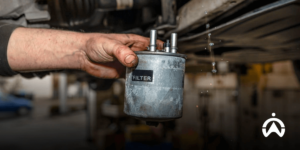
To prevent and stop fuel contamination, fleet managers who suspect dirty diesel in their fleet can request a fuel filter and fuel pump check at the next maintenance or service check.
To avoid manually keeping track of your fleet's service appointments, fleet managers can set maintenance or service reminders in Cartrack Fleet Web and automate the admin process. For example, it is usually recommended to replace the fuel filter every two years or every 50.000 km travelled (depending on the type of vehicle). By setting custom reminders for fuel filter replacement, you ensure that your fleet's fuel filter is checked and replaced on time. What's more, having to replace the fuel filter sooner than the date you captured in Fleet Web would indicate that there may be fuel contamination problems affecting your fleet.
- Train fleet staff on fuel contamination issues
As you'd expect, your drivers probably know more about their vehicle and how it performs than you do. They are behind the wheel every day, making sure your deliveries and tasks are completed on time. This also means they can alert you to vehicle problems so that you can resolve them faster.
By training your drivers and other fleet staff on fuel contamination and the signs they can look out for, you can help them prevent and stop fuel contamination in your fleet. Simply adding routine vehicle oil and filter checks can go a long way.
Cartrack's GPS tracking and telematics solutions help when your drivers aren't sure what is causing their vehicle's performance difficulties. Our telematics provides information about your vehicle so that you are notified of engine faults and battery health checks. With these insights, you can resolve vehicle problems even faster.
- Monitor your fleet's fuel pattern
Last but certainly not least, your fleet's fuel consumption, expenses and patterns can indicate whether your vehicles and machinery are running on dirty diesel.
Fuel monitoring consists of analysing your fleet's fuel consumption in real time, monitoring fuel expenses and transactions, monitoring fuel tank levels and identifying the problems affecting your fleet's fuel.
Using a variety of fuel data can help fleet managers detect and resolve fuel problems, such as contamination. Sometimes, fuel contamination is caused by drivers or fleet staff trying to get cheaper fuel so that they can inflate fuel costs and pocket the change from refuelling. This type of fuel theft can be tackled with fuel card integration that restricts refuelling to authorised stations. Fuel cards can also be used to track fuel purchases by location, cost and volume, to help managers identify suspicious activity.
Our fuel monitoring system is equipped with GPS tracking and fuel sensors and can be integrated with Cartrack's MiFleet for cost administration. This system offers an all-in-one option for solving dirty diesel problems and other fuel management challenges. Using our system, fleet managers can customise and automate their fuel consumption reports in Cartrack FleetWeb to meet their needs and resolve fuel problems.
Alternatively, if you notice that one or more of your vehicles or machines seems to run out of fuel faster, or that the vehicle breaks down frequently, you can investigate dirty diesel or fuel fraud in your fleet.
Fuel contamination: debunking common myths
The news about fuel contamination and dirty diesel doesn't lie, but some of the doubts we have about fuel quality can bring your fleet to a standstill, resulting in vehicle and equipment downtime and costly maintenance.
Let's quickly debunk some common myths about fuel contamination.
Myth no. 1: There is no way to test your fleet's fuel
Fleet managers can arrange different fuel testing tools and sampling checks with their fuel suppliers or request them for their vehicles. Fuel testing is the only accurate way to determine whether a vehicle contains dirty diesel. Mechanical checks, fuel tank conditions and the appearance of the fuel can suggest contaminated fuel.
Myth no. 2: All diesel is the same
Diesel products differ, and South African vehicle owners can choose between different grades of diesel. What matters most is that fleet owners and staff understand what their vehicles are compatible with and make sure they do not harm their vehicles or machinery.
Myth no. 3 – Engines are resilient, so misfuelling is not a problem
Your engine cannot run properly without the right fuel, and sometimes it will not run at all if you fill up with the wrong fuel. Although engines are tough, misfuelling can damage your vehicle and cost you money.
Myth #4 – Using dirty diesel helps save fuel
As the saying goes, “buy cheap, pay twice”, which is true when it comes to dirty diesel. Fuel savings should never compromise your fleet's vehicles; dirty diesel damages your vehicle and shortens its lifespan. With Cartrack's fuel monitoring solutions, you can reduce your fleet's overall fuel costs and find strategies to improve your fleet's fuel efficiency.
Protect your fleet from contamination with Cartrack's fuel monitoring solutions
Fuel contamination can destroy your fleet, leading to costly repairs and unnecessary downtime. Protect your profitable vehicles and machinery from dirty diesel and keep your fleet running smoothly.
Contact us today for a free demo of our fuel monitoring solutions!
 South Africa
 Botswana
 Kenya
 Malawi
 Namibia
 Nigeria
 Swaziland
 Tanzania
 Zimbabwe
 Hong Kong
 Indonesia
 Singapore
 Malaysia
 Philippines
 Thailand
 New Zealand
 Vietnam
 Poland
 Portugal
 Spain
 United Arab Emirates

 PT