GPS tracking technology plays an important role in vehicle security and fleet management today. But with every security-related invention comes the development of systems to get around the technology. In this case, we are referring to signal interference through the use of GPS jamming devices.
GPS jamming devices have been around for many years and are used mainly by the government. Since then, the technology has become accessible to civilians, which poses a threat to vehicle owners, individuals and society at large.
Discover how GPS jammers are used by different people
Learn how businesses and individuals can protect themselves against GPS jamming
Discover the solutions Cartrack that help combat the problem of signal jammers
What is GPS jamming?
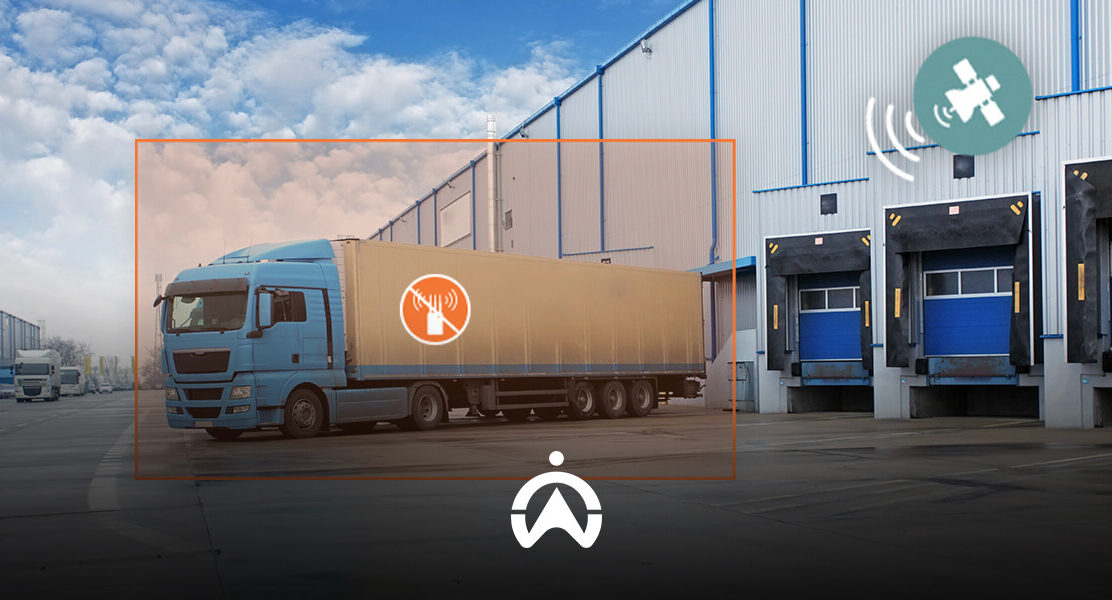
GPS jamming describes the process of using a radio frequency (RF) transmitting device to deliberately block or interfere with the GPS signals used for navigation, timing and positioning. These RF transmitting devices are called GPS jammers.
GPS jammers emit stronger signals on the same frequency as the signals from GPS satellites. Once emitted, they create noise to confuse the GPS receiver, leaving the GPS «blind», unable to see the satellites and provide accurate location data. Think of it as someone shouting during a quiet conversation. The device can't «hear» the GPS satellites because the jammer is «shouting» on the same frequency.
Initially, governments created these devices for use by the military and spy agencies, with the aim of confusing the enemy. Later, they were made available to the general public, and some people began using them to protect their privacy, preventing others from tracking them or hacking their data. However, in the wrong hands or in the hands of untrained people, signal jammers can cause serious communication disruptions, affecting businesses, vehicle tracking data, vehicle recovery or even airport radio towers.
The different types of GPS jammers
Signal jamming devices come in various shapes and sizes and are easy to operate. They vary according to their intended use and range.
Here is a brief description of the three common types of jammers:
Portable jammers
As the name suggests, portable jammers are small and fit in a pocket. They can look like everyday gadgets, such as mobile phones and USB chargers. They usually have one or two small antennas and are often used to block mobile phone signals.
Vehicle jammers These are larger than portable jammers and are designed to hide the location of vehicles. They have internal or external antennas and can be connected to the vehicle's electrical system.
Fixed jammers Fixed jammers were originally created for fixed locations and are the largest of the three. They look like routers and are weatherproof for outdoor use. They have several highly visible antennas and usually come with additional hardware for mounting the device.
Who uses GPS jammers and why?
GPS jammers are used by people with different motives. Let's take a look at the various reasons people get hold of them:
Car thieves It's no secret that vehicle theft is one of the main public safety concerns in Mozambique. Criminals are always finding new ways to get around security-focused technology. They use GPS jamming devices to hide the location of stolen vehicles, making recovery difficult for most vehicle tracking companies.
Employees and drivers In logistics, some operators may use jammers to manipulate route times or hide detours. This leaves the fleet manager unaware of unauthorised activities. These detours may be personal trips or side jobs to earn extra money while on the road.
Personal privacy concerns Some people use GPS jamming devices to protect their privacy. One example is how GPS jammers can be used to prevent drone surveillance or data capture.
Smuggling operations Criminals also use GPS jamming devices to hide the movement of illicit goods, such as illegal weapons. This prevents the authorities from tracking them and buys them time to get as far away as possible without being detected.
Cybersecurity attack The world has become increasingly dependent on technology, leaving individuals and organisations vulnerable to cyberattacks. In April 2024, an article in Wired magazine reported that aircraft and ships operating in southern Sweden and Poland lost connectivity due to interference with their radio communications. This type of disruption poses a major threat to the maritime and air transport sectors, as it can result in fatal accidents on a large scale.
How GPS jamming affects fleet management and vehicle tracking
Now that we know what people use GPS jammers for, let's focus mainly on their impact on fleet management and vehicle tracking:
Operational disruptions The loss of real-time tracking capabilities causes operational disruptions. Without correct location data, fleet managers can't see where vehicles are or whether drivers are following planned routes, and they can't allocate tasks effectively either. This results in low productivity, inaccurate delivery scheduling and dissatisfied customers.
Security risks
The use of signal jamming devices poses a risk of vehicle and cargo theft. This results in significant business losses and compromises driver safety. Criminals target trucks that carry high-value goods and use these GPS jammers to commit the crimes.
Strategies to mitigate GPS jamming
To keep your vehicles safe and your business running smoothly, there are some steps you can take to minimise the risk. Here are a few of them:
Technological solutions The best way for vehicle owners and fleet managers to mitigate GPS jamming is by implementing advanced tracking solutions that have anti-jamming technology. This ensures the vehicle's location is always visible despite jamming attempts, improving the overall security of vehicles and cargo.
Employee training It is important that fleet managers train employees on the dangers of using GPS jamming devices and make them understand the legal implications of using them. Companies should establish clear policies against the use of GPS jammers and set out the consequences.
GPS jamming protection with Cartrack
When you sign up with Cartrack, your vehicle is protected against GPS signal jamming by default, as our system is equipped with anti-jamming technology. When a vehicle is stolen, our control room agents and recovery teams are able to detect signal jamming attempts. They then use our advanced technology to locate your car and return it to you. We also have additional security measures you can add to your package, such as the following:
Cartrack tag
The Cartrack tag is one of the newest products we offer. It is a wireless tracking unit that uses a different, non-GPS frequency, making it resistant to traditional jammers. It communicates with our control room agents and also gives our recovery team more time to find your vehicle in cases where criminals have identified and disabled the main tracking device. The Cartrack tag can also be used to protect assets in areas with little or no network coverage.
CarWatch
Even without a GPS signal, Cartrack offers additional security features to protect your vehicle. CarWatch is a system that sends you an alert whenever your parked car moves without your authorisation. It works through our mobile app, and all you need to do is activate it after parking your vehicle. This ensures a fast recovery, as we detect suspicious activity as soon as it happens.
Choose a reliable vehicle tracking service provider
Cartrack is proud to have recovered more than 100,000 vehicles over the past decade. We are committed to strengthening vehicle security for individuals and businesses by continually developing innovative solutions. Get in touch with us and invest in one of our units today!
Want to know more? Here are some frequently asked questions about GPS jamming
Is it possible to stop GPS jamming?
GPS jammers can be defeated in the following ways:
You can invest in an advanced device for GPS tracking with built-in anti-jamming capabilities. These devices filter out unwanted signals to maintain the connection even when there is interference.
Use GPS jamming detectors to identify the presence of signal jamming. These detectors can locate the source of the interference and provide details on the strength of the signal jamming tool.
Finally, if you suspect jamming, try moving away from the area. Most GPS jammers operate within a limited range, so leaving the affected zone can help restore your connection.
Are GPS jammers illegal? illegal to manufacture, sell or own GPS jammers without authorisation in Mozambique and in many other countries, as they pose a major threat to society.
What is the difference between GPS jamming and spoofing? GPS jamming and spoofing are two different methods of disrupting navigation systems. Here is the difference:
GPS jamming involves generating a radio frequency to overpower the signal from the satellite constellation. When this happens, the receiver can't see the location or direction of the vehicle or asset.
GPS spoofing, on the other hand, is more complicated. It involves an entity sending false positions. The signals need to have the same magnitude as the authentic ones in order to deceive, so that the receiver becomes confused and unable to tell the difference.
Other articles for you
Food Transport Facts and What You Need to Know When Managing Your Fleet
Blogs
11 minute read •
Important facts about food transport in fleet management: keeping perishable goods fresh in transit directly affects your profits — and mixing food loads is a serious mistake. Other facts include the food distribution regulations in force in Mozambique, the challenges of electricity supply and the […]
7 Ways to Increase the Efficiency of Your Construction Fleet
Blogs
12 minute read •
The seven main ways to increase the efficiency of your construction fleet are: Use telematics and GPS tracking to keep everything under control. Keep vehicle maintenance up to date.. Implement a fuel monitoring solution. Offer your drivers ongoing training. Plan better routes between sites. Match the size of the fleet to […]
How to Manage Your Light Commercial Vehicles (LCVs) Effectively with Fleet Management Software
Blogs
12 minute read •
To manage your light commercial vehicles effectively with fleet software, you should invest in a platform that directly addresses the biggest challenges LCVs face. LCV fleets deal with unique vulnerabilities because of their frequent trips. Wear and tear, wasted fuel, unexpected downtime and more are some of the main concerns. LCVs are […]
 South Africa
 Botswana
 Kenya
 Malawi
 Namibia
 Nigeria
 Swaziland
 Tanzania
 Zimbabwe
 Hong Kong
 Indonesia
 Singapore
 Malaysia
 Philippines
 Thailand
 New Zealand
 Vietnam
 Poland
 Portugal
 Spain
 United Arab Emirates

 PT