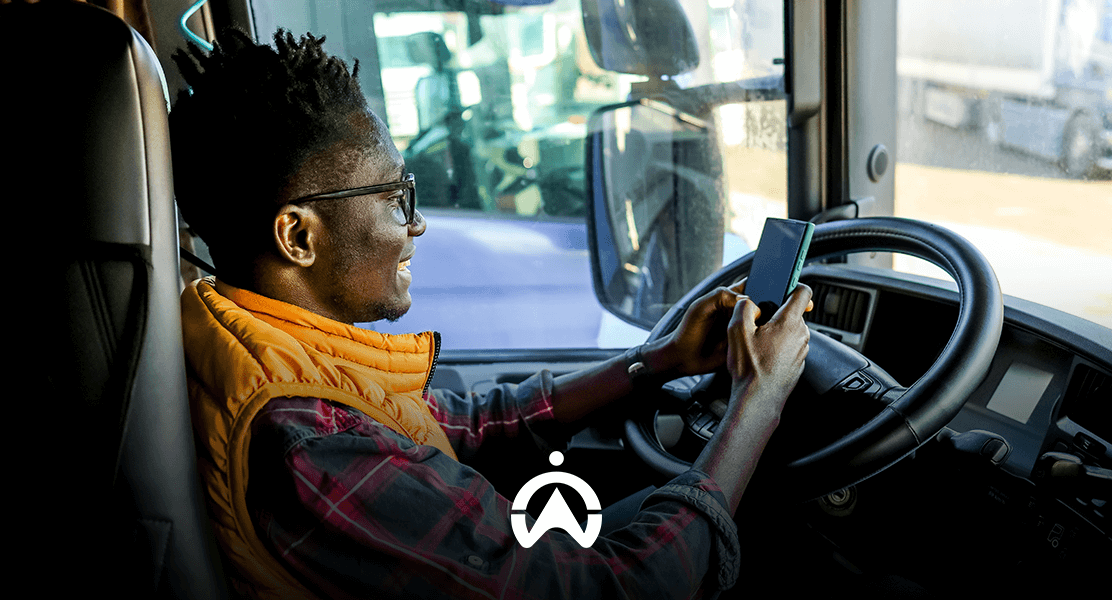
Drivers are the backbone of any fleet business, so it is important to keep them safe. Many companies use driver monitoring systems, such as cameras, to help protect drivers. These tools offer real-time insights into driving behaviour and vehicle conditions. They can help prevent accidents and improve efficiency. It is about finding the right balance between monitoring and privacy, because when drivers feel safe and respected, they can focus on doing their job well.
Fleet cameras can be used responsibly to encourage a safe environment and build drivers' trust. Let's look at how fleet cameras work and their role in increasing safety.
In this article, you will:
- Learn what fleet cameras are
- Get to know the benefits of fleet cameras
- Understand the best practices for ensuring driver privacy with fleet cameras
- Discover how Cartrack's camera solutions can help your business
- Learn about future trends in fleet camera technology and privacy protection
What are fleet cameras?
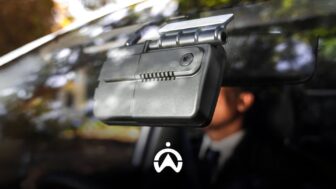
Fleet cameras are video recording systems designed for commercial vehicles. They have more advanced features than ordinary cameras. These features help keep fleets safe, improve operations and provide valuable information about driver behaviour and vehicle performance. Investing in these cameras improves safety and productivity, resulting in more satisfied customers.
Benefits of fleet cameras
- Improved driver safety: Fleet cameras act as an extra eye on the road. The footage can be used as evidence in the event of an accident. This can be useful when false claims are made against drivers.
- Greater accountability: Recording driving behaviour makes it easier for fleet managers to hold drivers accountable and coach them better.
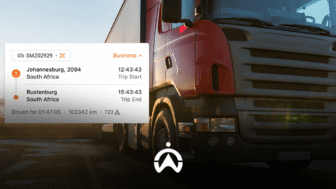
- Better fleet management: Integrated with GPS tracking, the fleet manager can see the vehicle's location in real time, detect the speed at which the vehicle is travelling and see how drivers behave. This helps fleet managers plan better routes, save fuel and improve overall business performance.
- Lower costs: Reduce fuel, maintenance and insurance premium costs through driver training and real-time alerts that address behaviours leading to unnecessary wear and tear.
- Better driver training: Fleet managers can use the recorded footage as a training tool to improve drivers' skills.
- Deter criminal activity: Fleet cameras can deter criminals, discouraging them from trying to steal or break into vehicles.
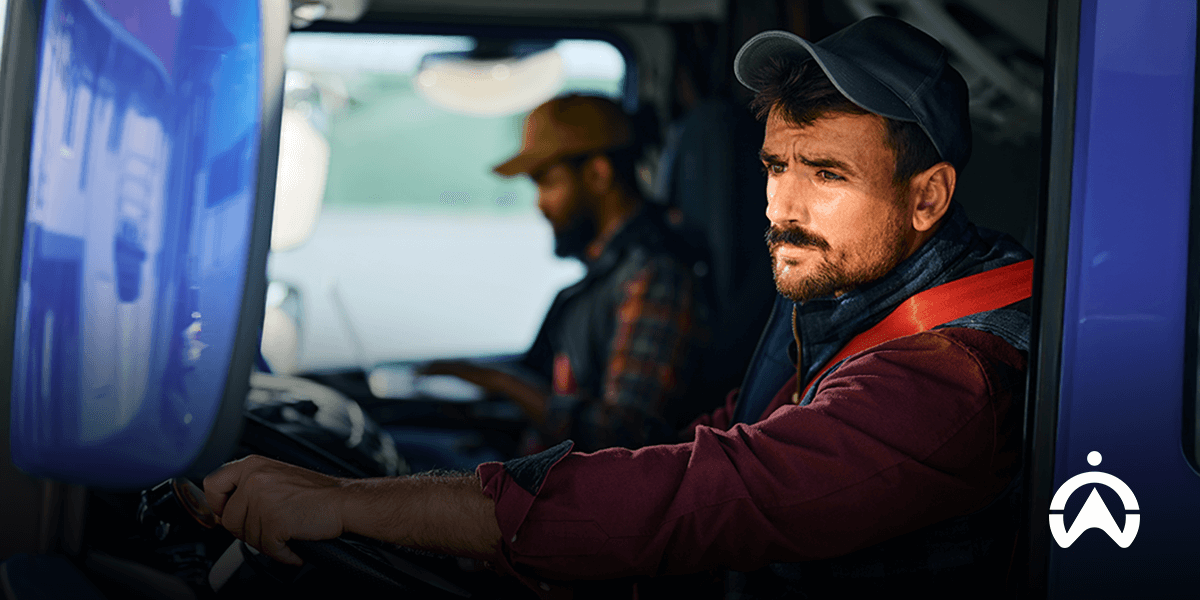
Whether fleet cameras benefit the business as a whole or the drivers, it is still important to make sure drivers feel comfortable with their use. Cameras can sometimes make people uncomfortable, making them feel that they are constantly being watched and self-conscious. To avoid this and maintain trust, it is advisable to follow best practices for protecting driver privacy.
Here are some important strategies for ensuring driver privacy when using fleet cameras:
- Ask for consent
Inform drivers of the purpose of the fleet cameras. Explain how they will be used in your business and ask drivers to sign a consent agreement. Open discussions can build trust and ensure everyone is on the same page.
In Mozambique, employers may have security cameras in the office or on the property to protect their business. However, placing cameras in private areas, such as the bathroom, is considered a violation of privacy. Even so, employees must be notified of the intended use.
- Inform passengers
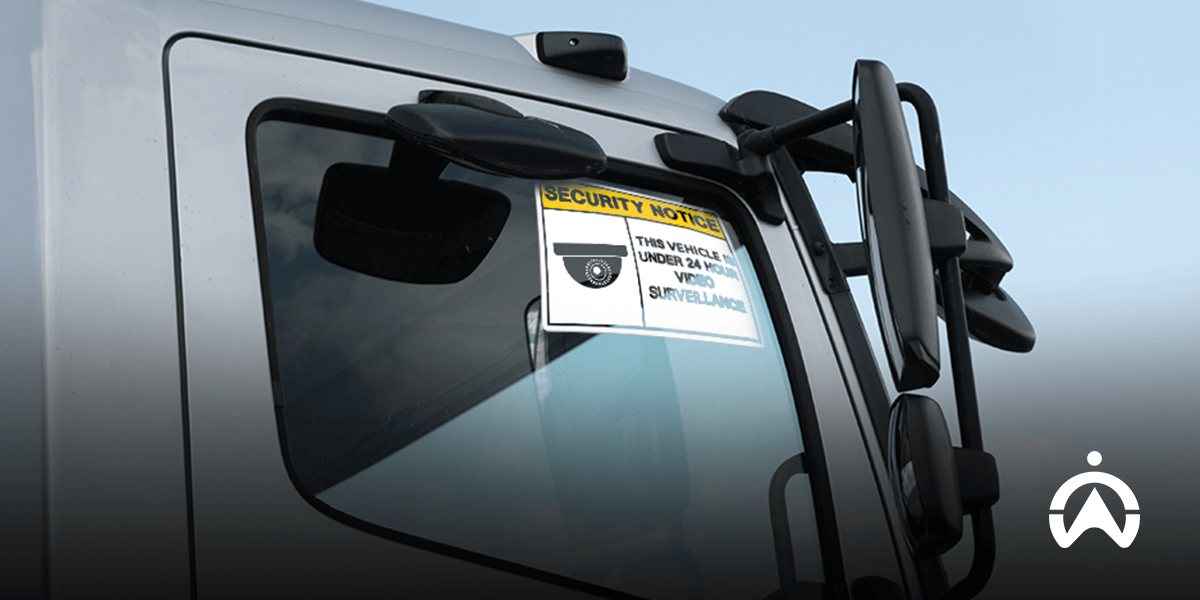
Use visible signage so that your passengers know they are under surveillance.
The Protection of Personal Information Act (POPIA) emphasises the importance of obtaining consent when collecting and using personal information, including audiovisual recordings and film.
POPIA recognises that there may be circumstances in which recording or filming without consent is necessary, such as law enforcement activities, security surveillance or journalistic purposes. However, these exceptions must be balanced against individuals' privacy rights, and any use of personal information without consent must be carefully justified and within the limits of the law.
Even with these exceptions, customers may feel betrayed at being recorded without their knowledge. So, by having these signs, you are essentially building their trust.
- Create a Privacy Policy
Have a written privacy policy that describes how footage will be recorded, stored and used. State who has access to the footage and for what purpose. This will help protect confidential data and prevent misuse.
Not having a policy in place on how this confidential information will be handled will pose a risk to the company. For example, footage could be leaked to social media platforms, further violating drivers' privacy and potentially damaging the company's reputation.
- Limit access
Make sure that camera footage is used only by authorised personnel. This reduces the risk of unauthorised viewing and ensures the data is handled properly. Allowing all employees at different levels to access confidential data, such as this footage, can lead to problems within your company, including possible bias in the way employees are treated.
Imagine a group of employees watching footage that shows a colleague making a mistake while driving or behaving badly. Instead of using this information constructively, some employees might use it to criticise that colleague unfairly. This could foster a biased environment where individuals are judged harshly on the basis of isolated incidents, instead of being supported in their professional development.
Customise the camera settings
Customise the camera settings, such as switching off audio recording during private conversations. If a driver and another employee are travelling somewhere and have an intimate discussion about their personal lives, they need to have that privacy.
- Compliance with Regulations
Make sure the fleet camera system complies with privacy regulations, such as the General Data Protection Regulation (GDPR). This helps safeguard confidential information and ensures that data is used only for authorised purposes.
- Review practices regularly
Technology is always evolving, so carry out regular assessments and update your privacy practices. This will ensure you comply with the law.
- Training sessions
Organise training sessions to educate drivers on how the camera systems work. Address any problems and questions they may have so that they feel comfortable with them. When drivers receive ongoing training on these systems, they will adopt better driving habits that minimise accidents and increase vehicle longevity.
- Encourage driver feedback
Allow drivers to share comments on their experiences and suggestions about the camera system. This will foster a positive working environment and lead to higher employee satisfaction and retention rates, as drivers feel valued and supported.
- Highlight success stories
Share scenarios with your drivers about how the camera system has helped improve safety, reduce accidents or increase operational efficiency.
This will further reinforce the benefits of these camera systems and encourage drivers to strive constantly for improvement. It will also be a great opportunity to celebrate drivers' efforts, contributing to a positive working environment.
These best practices can ensure that your fleet's camera system helps improve safety while respecting driver privacy.
Companies must ensure that, while they use cameras to protect the fleet as a whole, they also protect their drivers' privacy. Having policies in place will ensure that drivers do not feel violated. In addition, having rules and regulations on the handling of this footage will give drivers peace of mind, since they are protected – the footage will not be used carelessly. This will foster trust between you and your employees and create a harmonious working environment.
If you want to keep your fleet, drivers and cargo safe, look no further. Cartrack offers an AI-powered solution with up to 8 cameras (interior and exterior), all equipped with integrated telematics.
Cartrack's AI-powered cameras notify the driver of risky behaviours, such as distracted driving, smoking, fatigue or speeding. This allows drivers to correct their actions in real time and helps create a culture of safe driving, reducing the risk of accidents.
Contact us today to find out how our camera system can meet your fleet's needs!
Frequently asked questions about fleet cameras and driver policy
Q: How do you maintain fleet cameras?
A: Regular maintenance includes checking the lenses for any damage, updating the software and reviewing footage storage. This will ensure everything works properly.
Q: Do fleet cameras record in low light or at night?
A: Yes! Cartrack fleet cameras have night vision or infrared technology to capture clear images in low-light areas and at night.
Q: What if a driver refuses to consent to fleet cameras?
A: If a driver refuses to consent to recording, the company should follow its internal policy. In many cases, however, consent is required as part of employment. The company may also consider alternative safety measures if consent is refused.
 South Africa
 Botswana
 Kenya
 Malawi
 Namibia
 Nigeria
 Swaziland
 Tanzania
 Zimbabwe
 Hong Kong
 Indonesia
 Singapore
 Malaysia
 Philippines
 Thailand
 New Zealand
 Vietnam
 Poland
 Portugal
 Spain
 United Arab Emirates

 PT