Every fleet company is looking for ways to improve fuel efficiency, increase fuel-related cost savings and, ultimately, make its fleet go further for less.
But if you are encouraging your drivers to shift into neutral at stops, refuel only on cooler days or warm up their vehicles for better fuel economy and efficiency, then it is time to introduce Cartrack’s fuel monitoring system for data-driven fuel management solutions.
Let us show you how to really improve your fleet’s fuel management.
In this article, you will:
- Understand the difference between fuel economy and fuel efficiency
- Explore different ways to improve your fleet’s fuel efficiency and economy
- Find out more about Cartrack’s fuel monitoring systems
- Use our step-by-step guide to get a more economical and efficient fleet
- Get answers to the most frequently asked questions about fuel economy and efficiency
Fuel economy and fuel efficiency explained
Fuel economy and fuel efficiency both relate to how well your vehicle uses fuel, but the difference between them lies in the definition.
Fuel economy measures the efficiency of your vehicle’s engine and fuel directly, using litres per 100 kilometres (L/100KM) or miles per gallon (MPG).
Fuel efficiency, on the other hand, is about how well a vehicle uses energy and consumes fuel based on the engine and other monitored factors, such as driving style, idling habits and speed, vehicle type and other added vehicle technologies.
On a practical level, focusing on improving fuel economy and efficiency is important in fleet management because simple changes to your fuel management can help your business to:
Increase cost savings
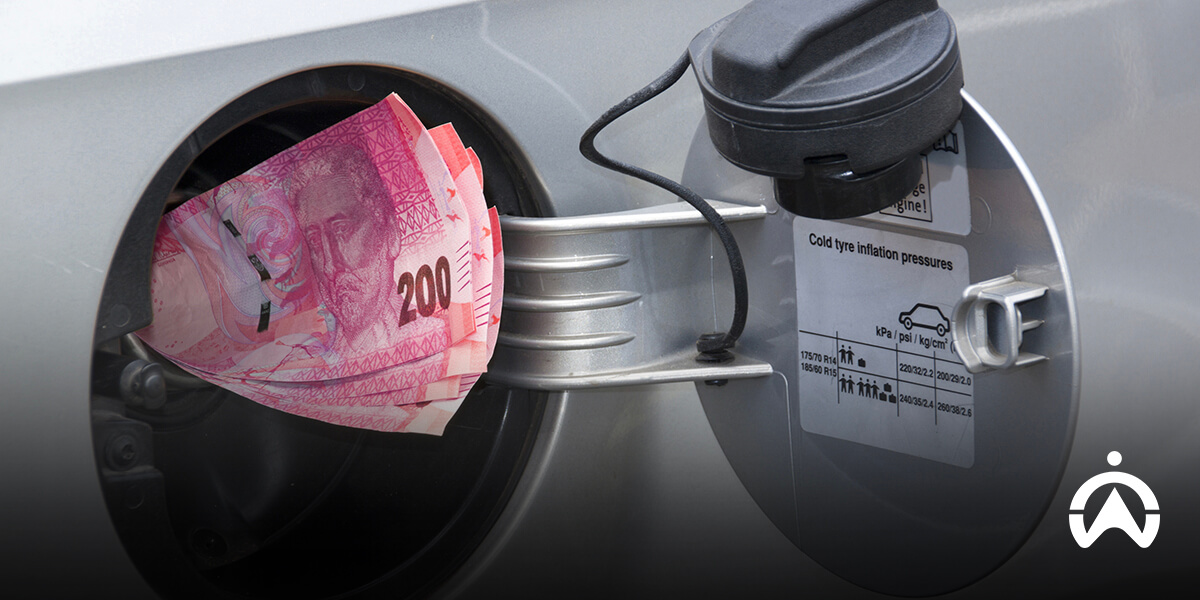
Every fuel price increase hits South African drivers and fleet companies hard because prices are adjusted almost monthly based on local and international factors. So, you have to think carefully about your fleet’s fuel economy to keep up with the monthly fuel price adjustments and avoid going over your budget.
By implementing strategies to reduce fuel consumption, you can literally save money on fuel expenses and secure a return on investment from your motorbikes, cars, trucks or machinery.
An improved environmental impact
Fuel efficiency is closely linked to your fleet’s environmental impact. When it comes to fleet businesses, such as companies in the transport and logistics sector, greenhouse gas emissions and pollution are a major concern.
By implementing more fuel-efficient measures to reduce fuel consumption, or choosing to upgrade their fleet vehicles to more economical ones, businesses can also contribute to a more sustainable future.
Maximise driver productivity
Several driver habits can result in unnecessary fuel consumption and lower productivity. A 2021 research study on drivers’ awareness of fuel economy factors showed that drivers underestimated how indicators such as engine speed, idling and driving the vehicle unloaded can affect a vehicle’s fuel use. By prioritising fuel efficiency in your fleet, you can make a big difference to your overall productivity.
By monitoring and improving your fleet’s fuel economy through fleet management, you can encourage drivers to adopt more economical habits, such as reducing idling and speeding.
Improve fleet visibility and management
The right fleet management system makes it easier for your business to track your vehicle’s fuel use litre by litre and improve fuel consumption and overall fuel efficiency. This lets you see where changes can be made to improve your fleet’s fuel economy and run a fuel-efficient fleet.
By introducing a fleet management system, your business gains control over every moving part (and stationary assets such as machinery in your fleet.
Ready to tackle your fleet’s fuel economy and reach maximum fuel efficiency? Check out these five strategies from Cartrack to increase your fleet’s fuel efficiency.
How to increase fuel efficiency: 5 new strategies
There are several benefits to taking on the challenge of building a more economical, fuel-efficient fleet, and our strategies help you make the process easier:
Method no. 1 Implementing fleet telematics and management software
Telematics technology and fleet management software are two essential elements for increasing fuel efficiency. These two smart technologies are the best starting point for any business focused on improving its fleet. With telematics technology, you can track your vehicles and drivers in real time and receive notifications about engine faults or harsh driving events, such as speeding and excessive idling.
This data is captured instantly and made available through a fleet management system such as Cartrack, which helps you manage all your vehicles on one platform and analyse the telematics data of individual vehicles over a period, or your fleet’s overall performance, to identify areas for improvement. Getting this technology can help you identify and deal with the fuel challenges in your fleet.
Cartrack’s telematics and management software
GPS telematics helps you see inefficiencies across the fleet, such as vehicle problems, idling and poor routing, that affect your fleet’s fuel consumption.
- Telematics GPS tracking: your fleet managers know exactly where your vehicles and machinery are located and gain full visibility of vehicle and driver activity.
- Cloud-based software: our easy-to-use FleetWeb platform and the Cartrack app are cloud-based, which means your fleet managers can track drivers live, make updates, access various reports, be notified about your fleet and, ultimately, streamline their workflow from anywhere.
Method no. 2 Use a fuel management system
Instead of manually calculating your fleet’s fuel consumption or guessing how economical your vehicles are, getting a fuel management system is a smarter and more accurate way to measure your fleet’s fuel economy and efficiency.
A fuel management system refers to the process of monitoring, managing and improving your fleet’s fuel use and costs. It uses fuel sensor hardware, software products such as telematics and fleet systems, or cost and accounting software, to track fuel use in real time and calculate fuel efficiency using data-driven reports.
The power of Cartrack’s fuel management solutions
Cartrack’s advanced technology helps you identify your vehicle’s needs and the areas for improvement in your fleet. When it comes to fuel management, our telematics technology and fleet management platform, FleetWeb and the Cartrack App, make it easy for you to start investigating your fuel problems
- Fuel sensors and hardware: with up to three different types of sensor available from Cartrack, you can monitor your fleet’s fuel levels to get a more accurate understanding of your fleet’s fuel consumption and efficiency.
- Fuel-specific reports and analytics: customise, download and automate fuel-specific reports for different vehicles or vehicle groups over a specific period of time to make data-driven decisions about your fleet’s fuel. Your fleet managers can receive driver notifications about activities that affect your fuel, such as idling and speeding.
Method no. 3 Buy and use fuel-efficient vehicles
A survey by Fleet Advantage revealed that 40.7% of businesses listed improved fuel economy as the big motivating factor for buying new trucks. The advance of new vehicle technology has resulted in a growing number of businesses operating mixed-energy fleets, with electric trucks and hybrid vehicles becoming more popular. Selecting more advanced vehicle engine technology can have a big impact on the efficiency of the fleet as a whole.
Fuel-efficient cars run for longer on less fuel, so introducing fuel-efficient bikes, cars, trucks, machinery or fuel-powered equipment is worth the investment. The South African Automotive Master Plan (SAAM) outlines several incentives to encourage the manufacture of electric vehicles and make it possible for the automotive industry to sell more affordable electric vehicles.
Fuel-efficient vehicles in your business would help reduce fuel consumption and costs, improve your fleet’s sustainability and reduce vehicle downtime. But did you know that this can also give your business a competitive advantage?
Customers love using and working with businesses that care about their environmental impact. Your business will experience the benefits of fuel-efficient vehicles immediately and in the long term.
Cartrack fleet management for sustainability
Our fleet management software helps you manage your mixed-energy fleet and track your fleet’s CO2 emissions so that you can reach your fleet’s sustainability target.
- Eco-driving report: this unique report highlights your fleet’s effort to reduce its carbon footprint by measuring your drivers’ eco-driving techniques. The eco-driving report is based on your drivers’ vehicle use and calculates kilometres travelled, excessive idling, speeding, vehicle fuel economy and aggressive driving to report on fleet efficiency and environmental impact.
- Vehicle maintenance history reports: this report provides information on the service and repair history of specific vehicles. Fleet managers can use it as a data-driven approach to vehicle replacement when considering the purchase of more economical vehicles.
Method no. 4 Monitor and improve driver behaviour
Investing in your drivers is just as important as investing in new or used vehicles and trucks. Skilled and motivated drivers are proven to help improve productivity, efficiency and safety for businesses. However, when it comes to fuel efficiency, many businesses miss the chance to get their drivers on board. Tell drivers about the importance of being aware of how their driving and decisions affect fuel consumption.
Monitoring drivers can help you improve your drivers’ bad habits and equip them with the skills to drive your vehicles better. However, other driver activities may be affecting your fleet’s fuel efficiency. For example, fuel-related crimes, such as misuse of your machinery, fuel theft or fuel siphoning, may be behind your fleet’s fuel inefficiency problems. Alternatively, your drivers may often deviate from their route and make stops along the way for personal activities.
If you suspect that other factors may be affecting your fleet’s efficiency, here are some effective solutions from Cartrack.
Driver monitoring for fuel efficiency with Cartrack
Turn things around quickly and take action against the careless driving that is wearing out your vehicles, burning your fuel and reducing your fleet’s fuel efficiency.
- Driver identification tags: help you monitor drivers while they use company vehicles, so you will know who did what with your vehicles at all times, ensuring accountability in your fleet. Know where your driver starts and ends their trip and identify driver detours. Alternatively, a Cartrack trip summary report can show you all stops, detours and other unusual activity.
- Cartrack driver scorecards: this is a gamified method of monitoring your driver’s activity on the road. The scorecard rates your driver’s performance and deducts points for harsh driving, such as excessive acceleration, harsh braking and long idling. These scorecards are useful for coaching drivers, helping them understand their own bad driving habits and work on improving them.
- Driver behaviour reports: a behaviour report provides driver-specific details on harsh braking, speeding, excessive acceleration and idling. With driver behaviour reports, you can identify fuel-inefficient driving habits and train drivers to improve their technique.
Method no. 5 Improve fleet vehicle maintenance
Proper maintenance of vehicles and other engine-powered machinery helps avoid unplanned stoppages and improves your fleet’s fuel efficiency. Regular maintenance can also help maintain optimal fuel economy, ensuring that even your oldest vehicle runs like new.
As fuel efficiency is related to the health of your vehicle, keeping your services and maintenance up to date helps improve your fleet’s fuel efficiency performance. Get ahead of your vehicle maintenance by educating your drivers and fleet team about regular oil changes and tyre pressure checks, for example. Alternatively, pay attention to your real-time telematics data on vehicle health, which reports possible engine problems that could result in expensive repairs and downtime in the future.
Preventive maintenance for fleet fuel efficiency
Our fleet management software helps you keep track of your vehicle and machinery maintenance history, upcoming services and relevant costs with the following tools:
- Maintenance reminders: schedule your vehicle’s maintenance and detail the type of service. Alternatively, based on hours of use and information about the previous service, our software notifies you of the next service for each of your vehicles and saves you the headaches.
- Cartrack’s MiFleet: the cost management and accounting software helps you keep track of your vehicle’s maintenance schedule and manage the costs of repairs, towing, services, tyre changes and much more. That way, you don’t fall behind on your fleet’s maintenance or lose track of the cost of maintaining your vehicle.
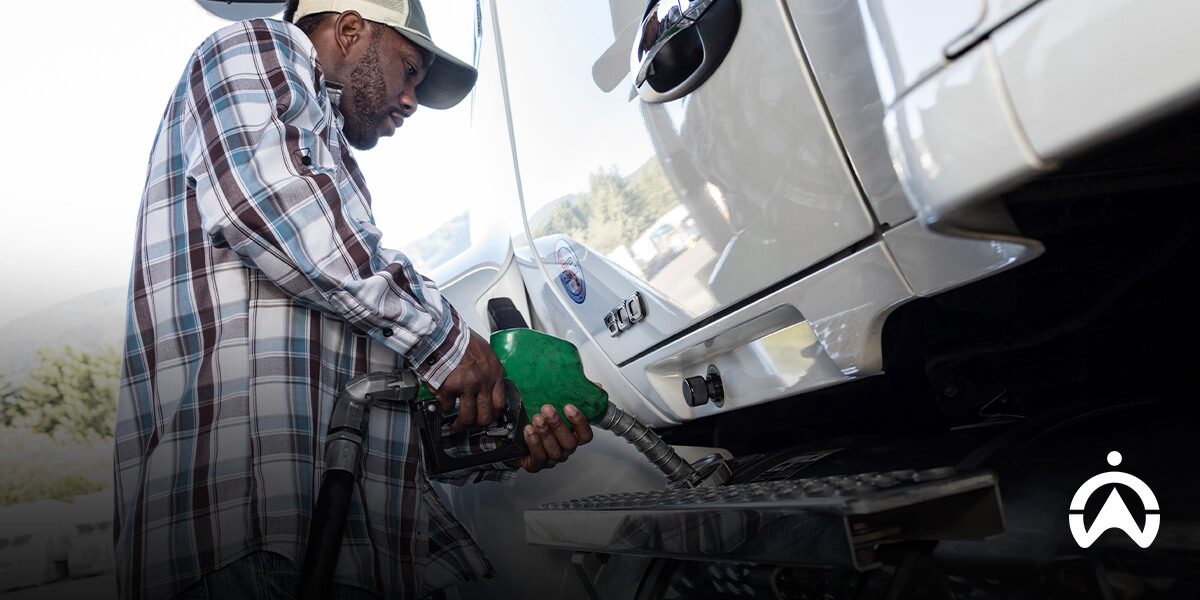
Telematics-based fuel solutions can really help you improve your fleet’s fuel economy. They are designed to make it easier to achieve fuel efficiency, whatever your vehicle or engine type.
Contact us for a demonstration of our fuel monitoring system.
Fuel economy and efficiency – big frequently asked questions
We like to keep things short and to the point! If you have more questions, here are some frequently asked questions about fuel economy and efficiency that we put together especially for you.
1. How do you increase fleet efficiency?
Here are nine tried-and-tested solutions from Cartrack that help businesses improve the efficiency of their fleets:
- Real-time fleet monitoring
- Implementing fleet management software
- Monitoring driver performance and improving productivity
- Improving communication within your team
- Using route optimisation
- Regular asset maintenance
- Eliminating empty miles
- Data-driven insights for fleet reporting
2. How can we improve fuel economy?
Businesses can improve fuel economy:
- Using fuel monitoring systems
- Keeping up with the maintenance and servicing of their vehicles
- Using more efficient vehicles
- Monitoring driver behaviour
3. How can we improve fuel efficiency?
For individuals, there are a few methods for improving fuel efficiency:
- Avoid constant and excessive speeding
- Regular vehicle maintenance
- Be aware of unnecessary idling
4. What is the key to achieving better fuel economy?
Telematics-based fuel monitoring solutions are the key to achieving better fuel economy. They make it easier to change, monitor and, ultimately, improve your fleet’s fuel practices.
Improve your fleet’s fuel economy and efficiency with Cartrack
Telematics-based fuel solutions can really help you improve your fleet’s fuel economy. They are designed to make it easy to achieve fuel efficiency, whatever your vehicle or engine type.
Contact us for a demonstration of our fuel monitoring system.
 South Africa
 Botswana
 Kenya
 Malawi
 Namibia
 Nigeria
 Swaziland
 Tanzania
 Zimbabwe
 Hong Kong
 Indonesia
 Singapore
 Malaysia
 Philippines
 Thailand
 New Zealand
 Vietnam
 Poland
 Portugal
 Spain
 United Arab Emirates

 PT