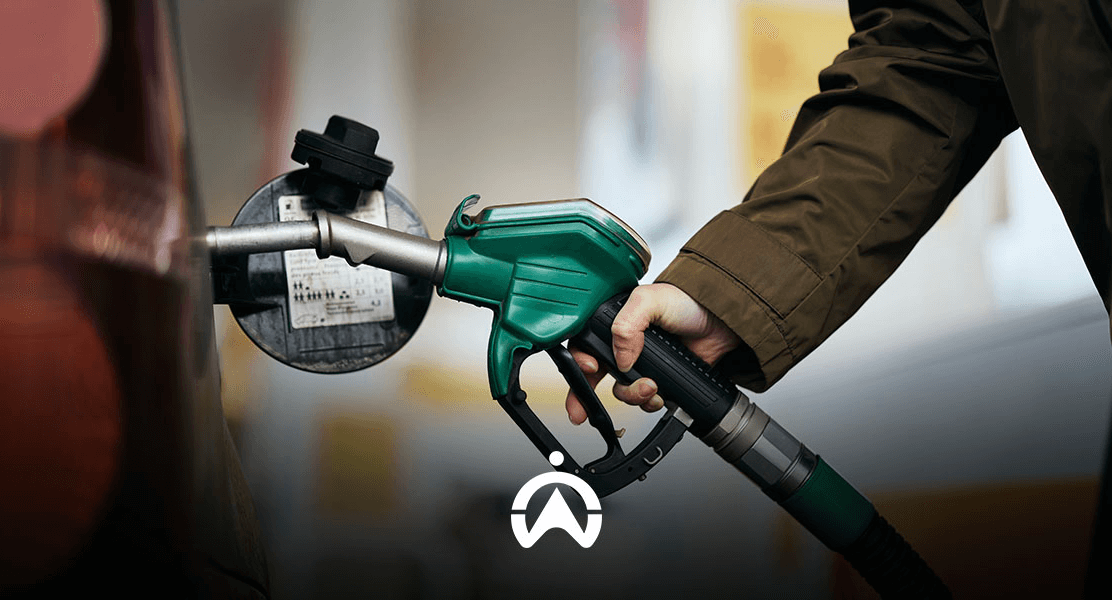
Do you know how much diesel your fleet’s vehicles are using?
Drive towards excellence today. Learn how an effective diesel management system can provide real-time information on your fleet’s diesel consumption.
Step into unrivalled diesel management with a world-class fleet management system solution!
In this article, you will:
• Discover what diesel fleet management is
• Discover how a vehicle management system powers diesel fleet management
• Learn why vehicle management matters for fleets
• Understand the power of a fuel management system
• Explore how Cartrack’s solutions can help simplify your diesel fleet
What is diesel management?
Diesel management refers to the process of overseeing and controlling a fleet’s diesel consumption. This is particularly important, as most businesses and organisations rely heavily on diesel-powered equipment and vehicles. Diesel fuel, which is heavier than petrol, takes longer to evaporate. It also has a higher energy density than petrol, which means it produces 20% more energy from the same amount of fuel. So, in the long run, it is more affordable for fleets than petrol, which is why most fleets choose diesel for their businesses.
Which tasks are usually involved in diesel management?
Diesel management involves covering the following tasks based on diesel consumption:
• Monitoring fuel levels: Tracking the amount of diesel in storage tanks and vehicles, which helps fleet managers easily identify and deal with possible fuel leaks or spills
• Optimising fuel efficiency: Diesel management focuses on improving fuel efficiency by eliminating activities that waste fuel. This is done through proper vehicle maintenance, route optimisation and regular training.
• Data analysis and reporting: Diesel management systems collect data on fuel use. By analysing this data, fleet managers can make informed decisions to help improve fuel efficiency.
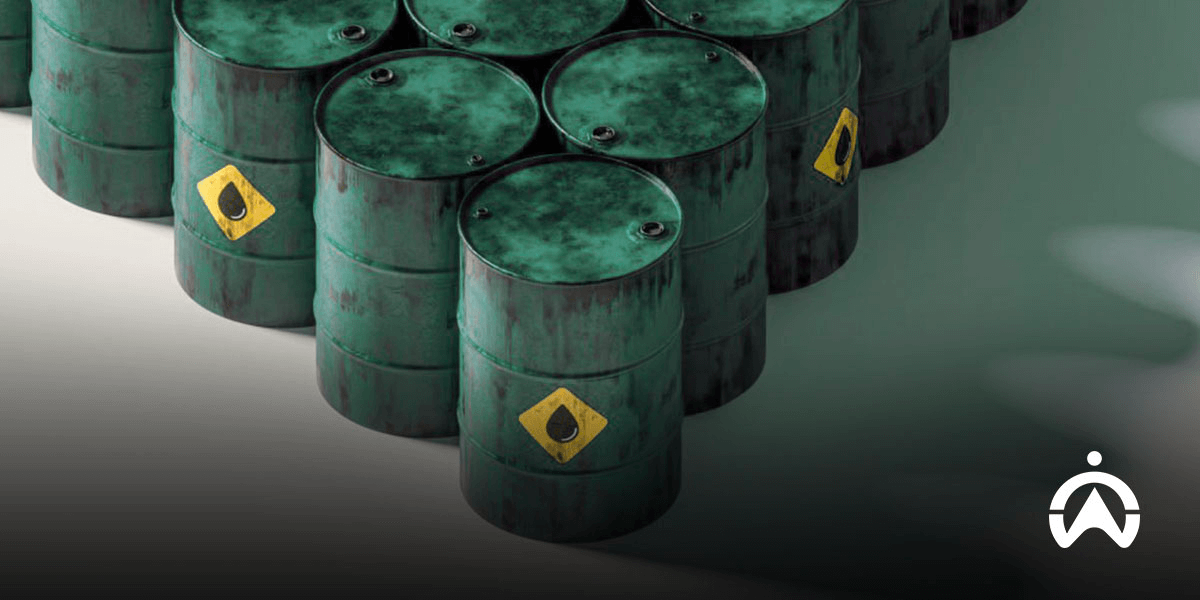
Why is diesel management important?
Diesel management is made up of various strategies and practices that aim to maximise the performance and economy of diesel vehicles while minimising diesel consumption and the associated costs. Here are 5 reasons why it is crucial for fleets:
• It helps reduce fuel costs: By optimising diesel use and avoiding waste, diesel management can help businesses save money on their fuel bills and get the most out of their diesel refills.
• It helps improve fleet efficiency: By identifying and resolving inefficiencies in diesel use, diesel management can improve businesses’ fuel efficiency.
• It helps improve vehicle maintenance: Diesel management monitors vehicle maintenance schedules, which helps fleet managers make sure their diesel-powered vehicles are well maintained, reducing wear and tear, cutting breakdowns and extending the life of the vehicle.
• It enables real-time awareness: By making use of advanced technologies such as GPS tracking and telematics, diesel management lets you monitor fuel consumption and vehicle performance in real time.
• It helps improve driver behaviour: Diesel management helps you find out which driving habits make your vehicles burn more diesel than usual. With this information, you can give drivers targeted training and help eliminate these habits.
Before we get into the details of a diesel management system, let’s look at the vehicle management software that powers it.
What is vehicle management software?
Vehicle management software, also known as fleet management software, is automated software designed for any organisation that uses fleet vehicles. Playing a crucial role in diesel management, it is designed to streamline and optimise the various aspects of managing a fleet of diesel vehicles, offering a comprehensive set of tools that help with fleet-related tasks that can affect overall efficiency. This system allows data relating to fleet vehicles to be recorded, stored, processed, reported and exported. This is done using advanced technology and software.
Why is vehicle management so important for diesel-powered fleets?
Vehicle management plays a vital role in a fleet’s overall efficiency. Here are 5 reasons:
• It increases fleet efficiency: Vehicle management systems play an important role in optimising diesel-powered fleet operations. This system works to provide comprehensive, real-time insights into important aspects of the fleet, such as vehicle location, performance metrics and maintenance. As well as providing this data to fleet managers, the system’s automation features help streamline routine fleet tasks, such as planning maintenance schedules.
• It helps improve fleet safety: Vehicle management systems help fleet managers proactively implement measures and practices designed to minimise safety risks. By keeping track of vehicle maintenance schedules, you can make sure your diesel fleet stays well maintained and in the best working condition. This helps to significantly reduce the risk of breakdowns and potential accidents caused by mechanical problems. This proactive approach to maintaining your diesel fleet not only increases overall fleet safety, but also builds your drivers’ confidence in the vehicle’s reliability.
• It helps minimise fleet operating costs: a vehicle management system optimises routes, maintenance and scheduling systems. Optimising your diesel fleet’s maintenance schedules translates into lower repair costs; monitoring fuel use translates into lower diesel expenses; and monitoring driver behaviour translates into safer driving habits that reduce the risk of costly accidents. Taken together, this multi-faceted approach to cost management not only secures financial savings, but also promotes an effective and sustainable fleet operation.
• It helps monitor driver behaviour and performance: With human error being one of the biggest causes of road accidents, driver behaviour needs to be monitored at all times. Vehicle management software can monitor risky driving behaviour, including harsh braking, cornering, harsh acceleration and speeding. By identifying this behaviour, fleet managers gain valuable information about areas for improvement and can provide targeted training to improve driver behaviour and raise the overall performance of their diesel fleet.
• It helps monitor fuel consumption: Vehicle management plays an important role in effectively monitoring and controlling the fleet’s diesel consumption. The software provides comprehensive insights into diesel fuel use, accurately recording crucial data points such as fuel levels, fuel consumption rates and refuelling events. This gives fleet managers detailed information to help them analyse diesel consumption patterns and trends across their whole fleet. This information helps them implement strategies to regulate and optimise diesel use, contributing to cost savings and fuel efficiency.
What are the different components of a fleet management system?
An effective fleet management system is made up of the following components:
• Vehicle tracking: Vehicle tracking is a fundamental component of a vehicle management system. It uses GPS (Global Positioning System) technology and telematics to help businesses monitor the location, movement and status of their diesel vehicles in real time. This unrivalled visibility allows fleet managers to gain valuable insights to optimise fleet operations, improve efficiency and increase overall safety.
• Driver management: Driver management is another crucial component of a comprehensive vehicle management system, helping fleet managers oversee and optimise the performance, safety and compliance of the drivers of their diesel fleets. A fleet management system helps keep track of each driver's habits, performance and efficiency. By doing this in real time, both fleet managers and drivers are alerted the moment dangerous behaviour is detected, which helps mitigate risks and improve overall fleet safety.
• Vehicle maintenance management: Vehicle maintenance within a vehicle management system involves all the processes, tools and practices aimed at ensuring the upkeep, servicing and optimal performance of diesel vehicles. A vehicle management system helps fleet managers reduce mechanical problems that lead to unplanned downtime, track individual vehicle movements and locations during maintenance and deliveries, and identify harsh driving events and possible engine problems. By prioritising maintenance, businesses can minimise unscheduled repairs, extend the lifespan of their diesel vehicles and manage maintenance costs effectively, contributing to efficient asset management.
• Fuel management: Fuel is a significant expense for any fleet operation, making fuel management one of the most important components of a vehicle management system. Let's explore this in detail and find out how it can help businesses achieve real-time management of their fuel consumption, 24 hours a day, 7 days a week.
What is a fuel management system?
A fuel management system is a comprehensive set of technologies, processes and tools designed to manage and improve your fleet's fuel usage and costs. This system gives businesses valuable insights into their petrol or diesel usage, helping them identify areas for improvement and reduce fuel costs. The system facilitates effective fuel budgeting, cost control, preventive maintenance planning and the implementation of strategies to eliminate fuel wastage.
The main components of a fuel management system
Fuel management systems involve implementing two main components to track fuel consumption and analyse all forms of data related to fuel usage patterns. These are:
The hardware:
These components are responsible for monitoring and controlling fuel consumption.
• Fuel sensors: these are installed in fuel tanks and measure the level of fuel remaining in the vehicles' tanks, as well as how it was used.
• GPS trackers: these track the location of vehicles and equipment, helping fleet managers effectively monitor fuel usage by location
• CANBus integration: This wireless integration allows accurate vehicle diagnostics, such as odometer readings, water temperature, oil temperature, etc., to be downloaded in real time, helping fleet managers prepare for the maintenance and servicing of their vehicles.
The software:
These components are responsible for monitoring and controlling fuel consumption.
• Data management platform: this platform collects and stores data from the hardware sensors and trackers
• Fuel management apps: These apps allow users to access data and manage their fuel inventory remotely.
How does a fuel management system work?
The main purpose of a fuel management system is to determine a fleet's petrol or diesel efficiency and help fleet managers work out how to improve it. The system does this through the following 3 steps:
• Data collection: The hardware sensors, integrated into the vehicles, collect real-time data on diesel or petrol levels, engine performance and flow rates. This data is transmitted to the central data management platform via wireless connections.
• Data analysis: The software analyses the collected data to identify trends and patterns in diesel usage. This data can be used to calculate a fleet's fuel efficiency, identify areas for improvement and generate reports that fleet managers can use to identify solutions.
• Actionable insights: the system provides fleet managers with actionable insights. This information can be used to implement measures that improve fleet efficiency with solutions based on diesel or petrol consumption, such as route optimisation, reducing idle time and implementing preventive maintenance programmes.
What are the benefits of using a fuel management system for your diesel fleet?
A fuel management system brings several benefits to your fleet, including:
• Reduced fuel costs: A fuel management system provides insights into fuel consumption patterns. By providing accurate monitoring of fuel usage and consumption patterns, fleet managers can identify the source of fuel wastage and mitigate it, reducing fuel costs. One example of this is the use of route optimisation. It is reported that optimised routes can increase a fleet's fuel economy by 20% to 40%.
• Improved accuracy in fuel usage reporting: manually recording vehicle and driver data leads to data inaccuracies that negatively affect your fleet's efficiency. With a fuel management system, your fleet's fuel consumption data is recorded automatically with telematics, which ensures accuracy in fuel usage reports. This automation of data collection ensures that human input errors are eliminated and that all recorded data is accurate.
• Reduced fuel theft: Fuel theft is a huge challenge for fleets, whether through siphoning, false transactions or fuel card fraud. If you are not aware of your fleet's fuel consumption, you won't be able to tell when fuel theft is taking place. A fuel management system works to combat this by giving you a complete view of your fleet's fuel consumption and recording all fuel-related expenses to determine accuracy.
• Improved data-driven decision-making: Fuel management software provides fleet managers with detailed reports on fuel usage, costs, efficiency and fuel trends. By tracking these reports over time, you can determine fuel patterns in your fleet and use this information to make informed decisions about optimising fuel management.
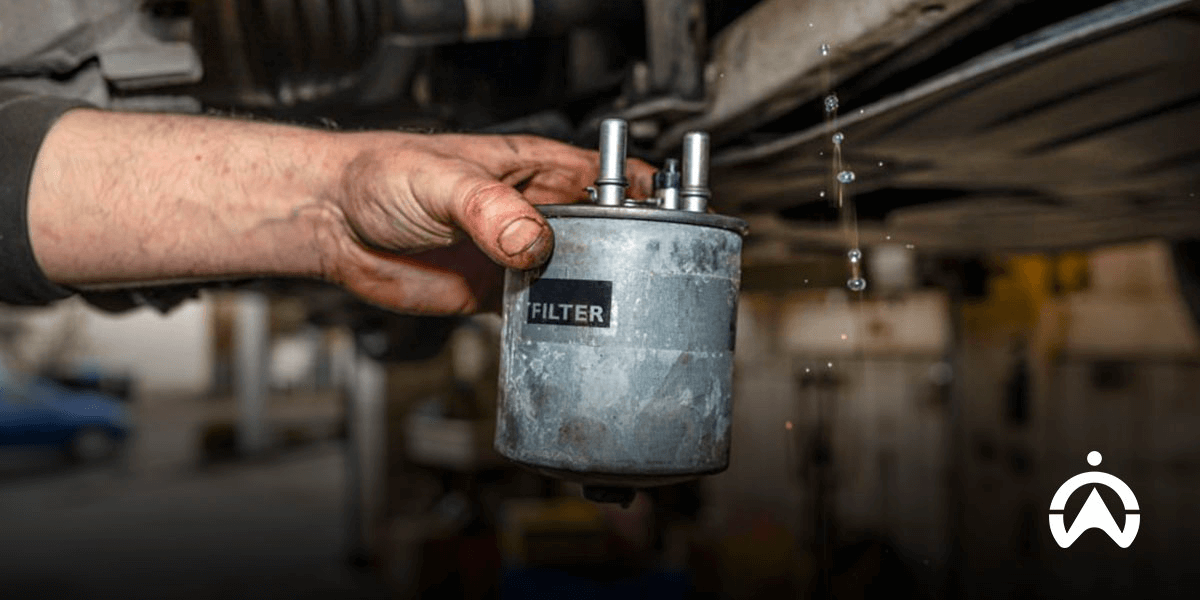
Take your fleet's diesel management to the next level with our world-class solutions. Here's how:
• Fuel management: The fuel cost monitoring system meticulously cross-checks fuel receipts against vehicle telemetry data, effectively detecting possible fuel theft and preventing fuel fraud. With real-time monitoring and customisable reports, irregularities are quickly identified. Real-time fuel level monitoring uses advanced sensors installed inside the fuel tanks, enabling live monitoring of diesel consumption. This helps you identify the reasons for sudden spikes in fuel consumption, whether it's siphoning or fuel-wasting driver behaviour. Fuel trend monitoring provides detailed fuel metrics per kilometre travelled and per job completed for each driver and vehicle, giving you an accurate overview of how much diesel your fleet consumes.
• Driver behaviour monitoring: Eliminate fuel-wasting driver behaviour with Cartrack's driver monitoring system. By making use of driver scorecard data reports, you can quickly detect aggressive driving and idling. An idling diesel truck burns around 4 litres of fuel per hour, and speeding has the same negative impact on fuel efficiency. In fact, it has been shown that a truck travelling at around 120 km/h consumes 27% more fuel than a truck travelling at 104 km/h. Our solution provides detailed reports on each driver's behaviour and shows exactly what caused the sudden increase in fuel consumption, helping you mitigate these problems and reduce fuel consumption. Use this to provide driver training or coaching to improve behaviour and put an end to fuel-wasting habits.
• Preventive maintenance: Stay ahead of vehicle maintenance with Cartrack's preventive maintenance. This system works by providing real-time alerts and diagnostics for various aspects of a vehicle's maintenance, such as engine damage, worn brake pads and worn tyres, all vehicle problems that lead to increased fuel consumption. By receiving real-time diagnostics of mechanical vehicle problems, you can quickly detect and resolve these issues before they become costly, helping to minimise fuel consumption and maximise fleet productivity.
• Route optimisation: Keep your routes short and free of detours with Cartrack's route optimisation. This innovative tool helps optimise your driver's routes by analysing various factors, such as real-time traffic, road conditions and route history. Traffic conditions not only cause delivery delays, but also lead to increased idling, making efficient route planning crucial. An idling diesel truck burns around four litres of fuel per hour, which can be a very costly addition to your fleet's fuel expenses.
Maximise savings and minimise waste with Cartrack's real-time diesel management
Keeping an eye on your fleet's diesel consumption can be quite stressful, but with Cartrack's fleet management solution, it doesn't have to be.
Contact us today and let's simplify your fuel monitoring together
 South Africa
 Botswana
 Kenya
 Malawi
 Namibia
 Nigeria
 Swaziland
 Tanzania
 Zimbabwe
 Hong Kong
 Indonesia
 Singapore
 Malaysia
 Philippines
 Thailand
 New Zealand
 Vietnam
 Poland
 Portugal
 Spain
 United Arab Emirates

 PT