How to prevent fuel theft – 7 instant tips to protect your fleet
Published
Reading time
11 minutes
Blogs
Fuel theft is becoming an increasing concern for fleet managers and business owners, especially in the face of constantly fluctuating fuel prices. It’s no secret that, as diesel and petrol prices rise, the threat of fuel theft often arises.
Fortunately, there are several ways to protect your fleet against fuel theft and overuse.
Ready to uncover valuable information and seven clear tips to help protect your fleet against fuel theft and overuse?
In this article, you will:
• Understand the impact fuel theft has on your fleet’s operations and budget
• Get to know the possible signs of fuel theft in your fleet
• Get information on measures and tips to protect your fleet against fuel theft
• Explore the benefits of preventing fuel theft in your fleet business
• Learn how Cartrack’s solutions can help identify and prevent fuel theft
Understanding the impact of fuel theft
Fuel theft can have a significant impact on businesses, especially those that depend on a fleet of vehicles for their operations. It can present several challenges for businesses, including financial losses that can affect the company’s overall profitability.
It can also lead to operational disruptions, causing unexpected delivery delays and vehicle downtime. This activity can result in damage to the vehicles themselves, increasing fleet maintenance costs, with potential problems such as punctured fuel tanks or other forms of tampering.
Overall, fuel theft poses significant safety risks, especially if it involves interfering with vital vehicle components, potentially endangering the safety of drivers and other road users if the driver is unaware of the potential damage to the vehicle caused by fuel theft and carries on driving it.
Signs of fuel theft
Thieves across South Africa have been actively looking for inventive ways to steal fuel from vehicles and filling stations. Surprisingly, most fuel theft incidents are not committed by criminals. We are not saying criminals don’t play a part, but most fuel theft often happens from the inside. Yes, you guessed it – your employees.
This is known as skimming, and it involves employees siphoning a small amount of fuel from a vehicle’s tank for personal use, so saving money on fuel expenses. Coincidentally, ‘skimming’ or ‘shimming’ can also mean a form of fuel card fraud.
So, how do you know fuel theft is happening in your business?
Signs of fuel theft can include:
Sudden drops in fuel levels with no reasonable explanation
Gaps between fuel purchase records and actual use
Unexplained high fuel expenses
Evidence of tampering with fuel tanks or fuel cap locks
Unexpected changes in fuel consumption patterns
Unexplained variations in vehicle routes
Unauthorised vehicle activity outside business hours
7 profit-saving tips to protect your fleet against fuel theft and overuse
Protecting your fleet against fuel theft and unnecessary fuel expenses is a key part of maintaining a successful operation. Putting proactive measures in place can secure your fuel and optimise your fuel resources.
With that in mind, here are 7 valuable tips to help you minimise fuel theft and waste:
Tip 1: improve your tracking system
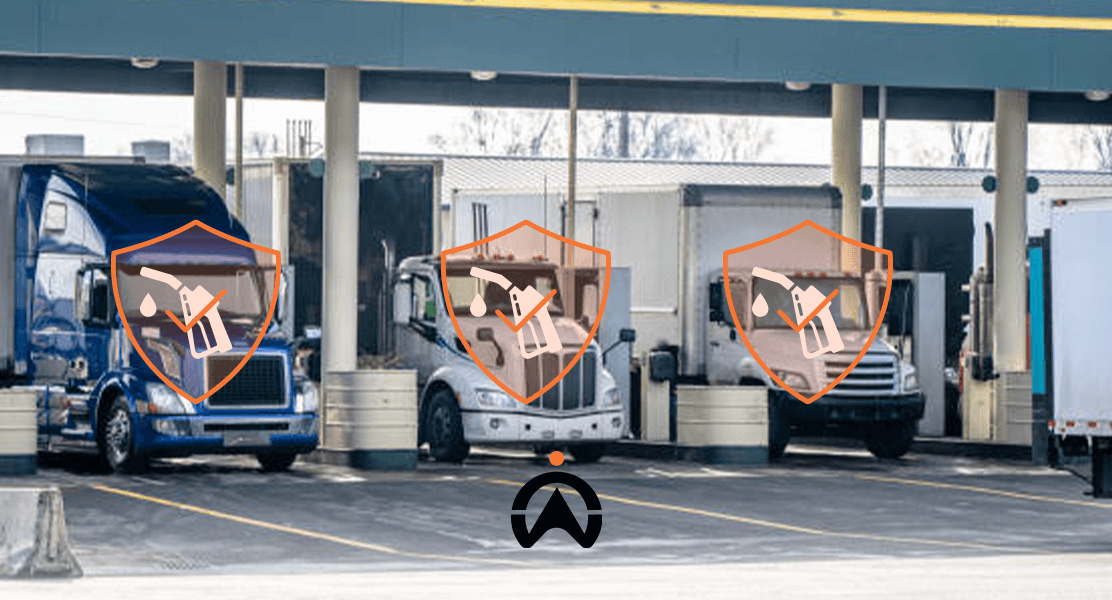
Invest in an advanced tracking system like Cartrack’s to closely monitor fuel consumption and track vehicle movements in real time. It will help you instantly identify any irregularities in fuel use, resolve the problems causing them and save money.
Tip 2: Secure the fuel tanks
Use robust locking mechanisms on your fuel tanks to deter possible thieves. Anti-siphon devices can further strengthen your defences against unauthorised access to fuel.
Tip 3: regular audits
Carry out frequent audits to keep a meticulous eye on fuel use. Identifying any inconsistencies early can help resolve possible fuel theft problems before they escalate.
Tip 4: educate your drivers
Educate your drivers about fuel-efficient driving practices, including maintaining consistent speeds, minimising idling time and planning optimal routes to reduce fuel consumption. Driver data like this is easily accessible to managers through Cartrack’s driver behaviour reports, ensuring you have the tools you need to train drivers in responsible driving habits.
Tip 5: Use fuel monitoring software
Implement fuel monitoring software that is easy to use and integrated with your fleet management system. This technology lets you monitor fuel levels and immediately detect any suspicious activity.
Tip 6: Install surveillance systems
Consider installing visible surveillance cameras at filling stations and parking areas. Not only do they act as a deterrent to potential theft, they also serve as concrete evidence in the event of any attempted fuel-related crime.
Tip 7: Establish clear guidelines
Develop and enforce transparent fuel use policies in your organisation. Clearly define the procedures for fuel card use, refuelling protocols and reporting any unusual activity, promoting a culture of accountability and responsibility.
Benefits of saving every litre of petrol
Every drop of stolen fuel is a loss that adds up over time. Fuel theft can result in higher vehicle repair costs, which are usually far more expensive than the stolen fuel itself.
By recognising the various benefits associated with preventing fuel theft, fleet managers can raise the overall performance and security of their operations.
Here is what you can gain by solving your fuel theft problem:
Cost savings: Efficient fuel management helps to reduce fuel waste and prevents unauthorised fuel use, resulting in significant cost savings over time
Improved operational efficiency: by closely monitoring fuel use, you can optimise routes, reduce idle time and improve overall fleet efficiency, resulting in better productivity and on-time deliveries.
Maintenance optimisation: Effective fuel management can contribute to proper vehicle maintenance, ensuring that vehicles run at their optimal level and reducing the likelihood of unexpected breakdowns.
Greater accountability: Implementing measures to prevent fuel theft promotes a culture of accountability among drivers and employees, encouraging responsible behaviour and discouraging fraudulent activity.
Regulatory compliance: By keeping accurate fuel records and preventing fuel-related irregularities, you can ensure compliance with industry regulations and avoid possible legal problems.
Sustainability: Efficient fuel management practices contribute to a more sustainable approach to the use of resources, reducing the environmental impact associated with excessive fuel consumption and waste.
Enhanced fleet security: Preventing fuel theft not only protects your financial assets, it also increases the overall security of your fleet, ensuring the safety of your vehicles and your drivers.
Managing your fuel effectively is not just about saving money; it is about protecting your bottom line and keeping your fleet running smoothly. By implementing proper fuel management practices, you not only prevent fuel theft, you also ensure that every drop of fuel is used efficiently.
Fuel theft trends
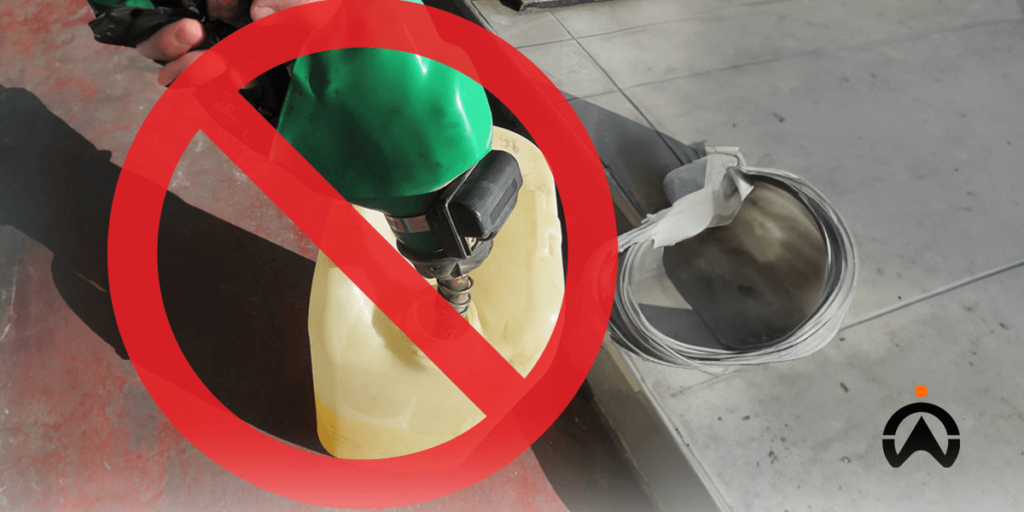
There are many tactics criminals use when stealing fuel from a vehicle. You are probably familiar with siphoning, the traditional method of fuel theft in which criminals use plastic tubes to suck fuel out of work vehicles and pour it into a petrol can for personal use, but you may not know other popular methods of fuel theft, such as:
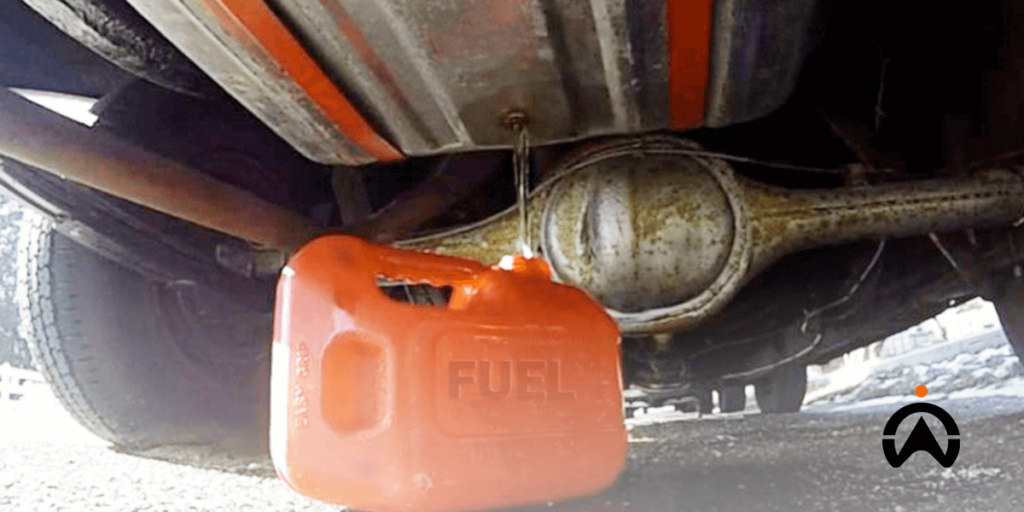
Drilling fuel tanks: There has been a growing trend of thieves drilling into fuel tanks, especially at businesses with car fleets parked overnight. This technique allows fuel to be extracted faster and in large quantities, but it often results in considerable damage to the vehicle and costly repairs.
Damage to fuel caps and fuel lines: Criminals may resort to breaking tank caps or cutting fuel lines as another way of getting at the fuel inside the tank.
Misuse of fuel cards: Sometimes employees may swipe the company card for personal use or lend their fuel cards to friends or family, resulting in unauthorised transactions. Cashiers may also swipe fuel cards more than once, which shows up as duplicate transactions and doubles fuel costs.
Fuel card cloning: Similar to credit card cloning, fuel cards can be duplicated, often going unnoticed by banks until it is too late.
Illegal access to pipelines: In more complex scenarios, criminals may illegally tap into fuel pipelines to divert significant volumes of fuel. This is a technique commonly seen in the oil and fuel industry.
How Cartrack’s fleet management solutions can help
Cartrack is a global provider of data analytics solutions, specialising in mobile asset management, asset recovery and workforce optimisation. Our comprehensive fleet management platform covers essential features, including vehicle tracking, driver behaviour monitoring, detailed cost analysis and fuel management.
Our industry-leading fleet cost monitoring system – MiFleet is the perfect web-based tool that shows managers the exact operating costs of their fleet. This data includes items such as toll fees, licence renewal dates, maintenance and, most importantly, fuel costs.
MiFleet automatically analyses all your fuel transactions, compares your fuel receipts with your vehicle’s telemetry data and highlights areas of possible fuel theft. Fleet managers can easily import fuel transactions, flag fuel risks and stay up to date on all fuel costs, helping them to avoid fuel waste and save money.
In addition to MiFleet, Cartrack also provides several fuel protection solutions that can help identify and stop fuel theft:
Fuel theft identification: Cartrack efficiently accesses trip reports with fuel sensor data, effectively validating any suspicions of fuel siphoning. This feature allows you to take the necessary action quickly and effectively.
Fuel consumption visibility: With Cartrack’s comprehensive fuel monitoring system, you can seamlessly monitor your fleet’s fuel consumption in real time. This clear visibility lets you immediately identify sudden or unusual changes in fuel level, triggering alerts for possible fuel theft or misuse.
Reducing fuel waste: Cartrack’s advanced fuel monitoring system provides detailed metrics on fuel consumption per kilometre travelled and per job completed for each driver and vehicle. These valuable insights help identify areas that need attention, allowing you to proactively avoid fuel waste.
Driver behaviour tracking: Cartrack’s cutting-edge technology lets you closely monitor driver behaviour, including driving speed, harsh braking and prolonged idling, all of which contribute to fuel waste. By closely monitoring and addressing these behaviours, you can actively promote fuel-efficient driving practices and significantly reduce fuel consumption.
Fleet tracking: Making use of Cartrack’s GPS tracking feature lets you easily keep track of the precise positions of your fleet’s vehicles. This critical function serves as a robust defence, instantly detecting any potential cases of unauthorised vehicle use, and so effectively combating fuel theft and unapproved use.
Get long-term fuel security and fleet protection with Cartrack
With Cartrack, you can proactively protect your valuable fuel resources, mitigate losses and ensure that every drop of fuel is used optimally. Don’t let fuel theft drain your resources and disrupt your operations. Contact Cartrack today.
Other articles for you
What Are the 5 Cameras Cartrack Offers for Business and Personal Use?
Blogs
11 minute read •
The 5 cameras (dashcams) that Cartrack Mozambique offers for business and personal use are Road Vision, Dual Vision, MultiVision, AI Dash Pro and AI MultiVision. These solutions meet a wide range of needs and keep you protected on the road at all times. Whether you run a complex fleet or simply want to protect your personal vehicle, Cartrack has the […]
How to Move from Reactive to Proactive Fleet Management
Blogs
11 minute read •
To move from reactive to proactive safety in your fleet, you need to invest in an advanced telematics system with artificial intelligence cameras. An advanced telematics system uses predictive maintenance to keep you informed about the mechanical condition of your vehicles, while AI cameras show you how your drivers behave behind the […]
Short-haul trucking is the transport of goods by truck over comparatively shorter distances than long-haul transport. It generally refers to road transport over distances of between 100 km and 250 km, normally within a single province or between neighbouring provinces of Mozambique. Data from Mozambique’s road […]
 South Africa
 Botswana
 Kenya
 Malawi
 Namibia
 Nigeria
 Swaziland
 Tanzania
 Zimbabwe
 Hong Kong
 Indonesia
 Singapore
 Malaysia
 Philippines
 Thailand
 New Zealand
 Vietnam
 Poland
 Portugal
 Spain
 United Arab Emirates

 PT