It takes more than a certificate, a smart suit and a clipboard to manage a fleet. After reading this article, you will be armed with all the tools and knowledge you need to become a great fleet manager.
There is a lot going on behind the scenes when it comes to moving a product from its warehouse to the vehicle that carries it and, finally, to its final destination. To ensure that this whole process runs smoothly, a successful fleet manager needs to keep an eye on every detail all day, every week, with fleet management technology.
In this article, you will:
Find out who fleet managers are and what it takes to become one
Discover the nine skills every fleet manager needs to succeed
Understand the responsibilities and duties of a fleet manager
Unpack five ways fleet managers reduce fuel consumption and save money
Learn how the fleet management solutions and features from Cartrack Mozambique can help you manage your fleet
What is a fleet manager's job description?
A fleet or transport manager is a person responsible for a company's fleets. They are responsible for overseeing fleet asset management operations within the organisation and supervising every step, from hiring to maintaining fleet productivity and everything in between, with fleet technology.
Fleet managers are the right hand of the business; they help with the various tasks and difficulties that their fleet may face while on the road or on site. They also develop regulations based on organisational requirements to deal with vehicle use, driver behaviour and driver schedules.
All this and much more, to ensure that a company operates effectively, safely and legally.
Ways to become a good fleet manager
Time is one thing a fleet manager doesn't have much of, so let's get straight to the point. Here is all the information you need to become a good fleet manager:
Gain knowledge
Becoming a transport manager usually requires a degree in a relevant field, such as business administration or logistics, but even with a degree in place, you can still learn more through continuing education courses. In South Africa, transport management is offered at UNISA and UCT has Supply Chain Management available. In the USA, NAFA offers the Certified Automotive Fleet Manager (CAFM) and Certified Automotive Fleet Specialist (CAFS) programmes. These can be found at most higher education institutions around the world.
Get experience
If you are not the academic type but still want to become a fleet manager, an internship is the way to go. This hands-on way of doing things gives you the chance to learn quickly on the job while earning a salary for your hard work. Looking for a mentor will also guide you and help you gain free experience and the essential knowledge needed to use a fleet management system. Joining an organisation for a few months provides valuable insight into the sector you want to work in.
Be connected
Another excellent way to improve your knowledge and skills is by attending conferences or workshops and networking. Learning and developing your skills to suit this job is a good start, but networking with people will bring you a few more opportunities that you might not have had access to before. Attend national fleet management meetings, join fleet industry associations and network with colleagues and suppliers to maximise networking opportunities.
9 easy tips you need to become a successful fleet manager
Good leadership
Just because you have the title of managing drivers doesn't mean they will follow your orders or even listen. A good leader inspires confidence in their drivers to follow their managers' lead and trust that the decisions made will improve their work ethic.
Communicate like a professional
There are many different types of communication and you should choose the one best suited to your fleet. Make sure your message is clear and that your team understands you. Finding that sweet spot in communicating with your whole fleet is a skill that few managers master and many others are still trying to perfect.
Digital know-how
A little digital assistance is always needed, especially if you are managing a large fleet and have to keep track of the assets and the information collected every day. Tracking and telematics systems can help account for all your vehicles and provide full diagnostics for each one, while fleet management platforms help with finance, vehicle utilisation, vehicle reports, employee management and much more. This improves processing time and frees up time for other tasks.
Multitasking
Being able to think on your feet means having the ability to carry out several tasks and keep up with all your responsibilities, such as scheduling vehicle downtime, checking driver availability, sorting out speeding fines, managing fleet logistics, etc. Be able to quickly adapt, control and keep up with the business and its growth.
Budget management
Fleet managers are required to create budgets from time to time, which means you must be able to run an efficient fleet and provide high-quality services with minimal funding. You need a deep understanding of the business, the sector and current economic conditions to make financial decisions that benefit the business. Take into account your employees' work rates and the hours they have worked weekly/monthly, because no matter how tight finances are, paying drivers' salaries on time must be a priority.
Adaptability
As a fleet manager, you are in the loop on fleet management decision-making, from your drivers to your vehicles. This change of pace requires a sharp mind and quick thinking. You need to adapt to manage several drivers and vehicles, while keeping up to date with legislation and vehicle management software. If something goes wrong with a delivery, such as an accident, managers must act quickly, communicate with the customer, make sure the driver is safe and send another vehicle to complete the delivery, if possible.
Business management
Good communication and building relationships of trust do not extend only to your fleet. Knowing company and driver policies, keeping up to date with regulatory requirements and maintaining collaborative relationships with internal and external stakeholders will help your company avoid fines and ensure maximum safety. Depending on the sector you work in, knowing specific laws and legislation on the transport of certain products, such as meat or pharmaceuticals, is important to avoid damage to or spoilage of goods.
Make safety a priority
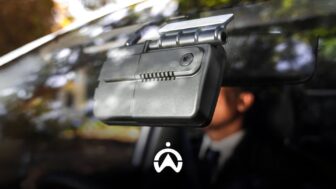
Developing a safety culture within the fleet can reduce the company's liability and improve safety measures in the workplace. Managers can increase safety with features such as driver scorecards, which show how safely employees drive by monitoring high-risk behaviours such as harsh acceleration, cornering and braking. In addition, AI-powered live cameras equipped with real-time in-cab alerts can ensure that drivers are focused, not tired or distracted, to help prevent accidents and increase accountability.
Raise performance standards and become metrics-driven
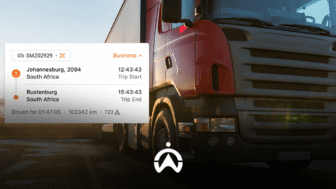
Reaching business goals means keeping track of fleet metrics and your fleet's progress. Managers are always looking at the numbers through GPS fleet tracking technology to keep an eye on vehicle performance, review fleet diagnostic reports or monitor asset use to make cost-effective decisions and see whether key elements of the fleet can be improved.
Fleet manager tasks and responsibilities
The overall job of fleet operations is to keep costs low, minimise fuel consumption and maximise productivity, while successfully overseeing a fleet.
In addition, fleet managers ensure that all legal aspects are met; they must be informed of all legal matters relating to their fleet the moment they occur. This includes speeding fines, expired licence discs or accidents. If these legal problems go unnoticed or are not reported, operations and deliveries can be interrupted or, at the very least, slowed down by costly vehicle downtime.
Here are five simple ways fleet managers can cut costs and keep everything within budget:
Track driver behaviour
The way drivers operate vehicles and trucks has a huge influence on fuel economy and vehicle longevity. Fleet management software makes it easy to track driver behaviour, recording various risky events such as harsh braking, cornering and speeding, as well as monitoring the driver's behaviour behind the wheel through installed cameras. This helps with driver awareness, reducing idling and other fuel-burning behaviours.
Fleet renewal
In a fleet, as vehicles age, the cost of maintenance rises. To combat frequent visits to the garage and the constant replacement of parts, fleet managers need to keep up with each vehicle's service and maintenance plans or choose to replace their vehicles every few years, as new vehicles are more affordable in the long run and will help ensure that production runs smoothly.
Right-sizing
This means releasing unused or unsuitable vehicles from your fleet. With a reduced number of vehicles, managers can focus on optimising vehicle use, saving fuel, reducing emissions and, ultimately, saving money on fuel and vehicle maintenance.
Route optimisation software
This software is a feature that takes into account information such as travel time and distance and provides several route options that are shorter and use less fuel. This feature is mainly used when delivering to several locations in the same area. It makes the delivery process more efficient, avoiding detours and helping drivers reduce time on the road and deliver parcels at the scheduled time or even earlier.
Use electric vehicles in your fleet
Operating a fleet in countries that often have power cuts, such as South Africa, can make using electric vehicles seem a disadvantage, but in fact electric vehicles cost much less than vehicles that rely on fuel, especially when it comes to maintenance and servicing costs. Recharging these vehicles is more affordable in the long run than paying for fuel, especially with ever-rising fuel prices.
Behind every well-managed fleet is an effective fleet manager and a decent fleet management system. Cartrack Mozambique helps successful managers oversee a fleet of any size efficiently with fleet management solutions, through reliable Cartrack features and its tracking system.
You are just a few clicks away from being equipped with industry-leading, cost-effective fleet management services. Get a free quote and visit Cartrack Mozambique for more information and tips.
Other articles for you
What Are the 5 Cameras Cartrack Offers for Business and Personal Use?
Blogs
11 minute read •
The 5 cameras (dashcams) that Cartrack Mozambique offers for business and personal use are Road Vision, Dual Vision, MultiVision, AI Dash Pro and AI MultiVision. These solutions meet a wide range of needs and keep you protected on the road at all times. Whether you run a complex fleet or simply want to protect your personal vehicle, Cartrack has the […]
How to Move from Reactive to Proactive Fleet Management
Blogs
11 minute read •
To move from reactive to proactive safety in your fleet, you need to invest in an advanced telematics system with artificial intelligence cameras. An advanced telematics system uses predictive maintenance to keep you informed about the mechanical condition of your vehicles, while AI cameras show you how your drivers behave behind the […]
Short-haul trucking is the transport of goods by truck over comparatively shorter distances than long-haul transport. It generally refers to road transport over distances of between 100 km and 250 km, normally within a single province or between neighbouring provinces of Mozambique. Data from Mozambique’s road […]
 South Africa
 Botswana
 Kenya
 Malawi
 Namibia
 Nigeria
 Swaziland
 Tanzania
 Zimbabwe
 Hong Kong
 Indonesia
 Singapore
 Malaysia
 Philippines
 Thailand
 New Zealand
 Vietnam
 Poland
 Portugal
 Spain
 United Arab Emirates

 PT