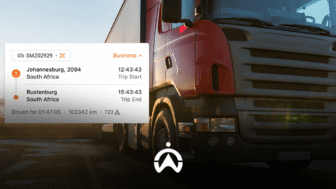
How to stop vehicle idling and save on fuel and business costs
Published
Reading time
10 minutes
Blogs
Is idling bad for your car? It certainly is. Now imagine you have an entire fleet idling: it will certainly affect your company's bottom line – and quickly too.
In this article:
What it means to leave a car idling and how exactly an engine idles
Five reasons why you should stop idling and the benefits of doing so
Important steps you can take to stop idling in your fleet
How to save on managing your fleet with Cartrack
Whether drivers leave the engine running while unloading deliveries, stuck in traffic, taking a call on the road, warming the cabin in the winter months or cooling it in summer, every second of idling costs.
This is how the idling vehicles in your fleet cost you, and we'll give you ways to reduce idling and save.
What is vehicle idling?
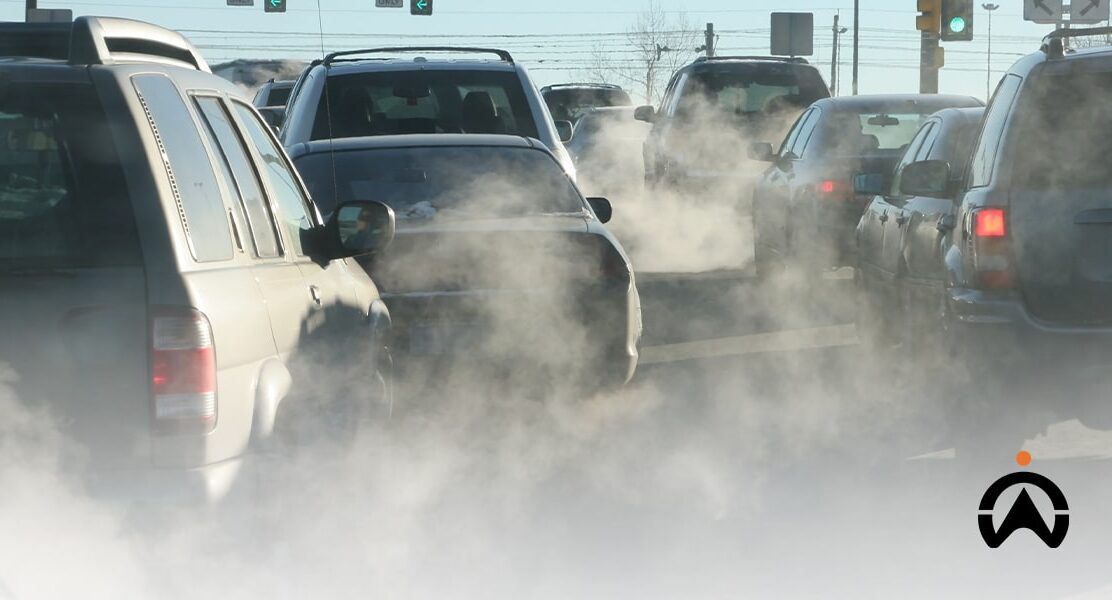
Idling is when a driver leaves the vehicle's engine running while the vehicle is parked. Every day, millions of cars and trucks idle unnecessarily, which can have many implications.
What is an example of idling?
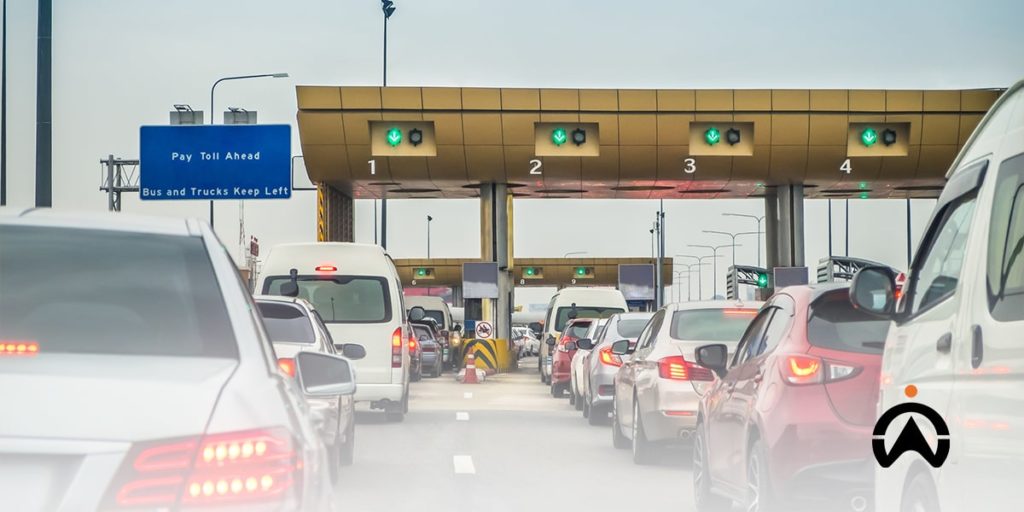
This can happen in stop-start traffic, drive-through queues or loading docks. It also includes running the vehicle to power the heating, air conditioning and electronic devices.
If you are a fleet manager with several drivers and vehicles, you'll want to keep an eye on whether they are keeping their vehicles running for the air conditioning, unloading while the engine is on or idling too much in traffic.
So, what is the problem with idling?
Idling for more than 10 seconds uses more fuel and produces more emissions, contributing more to pollution and climate change than stopping and restarting the engine. Idling also contributes enormously to a vehicle's overall wear and tear, far more than you might think.
Let's dive into this a little more.
How does an engine idle?
In a modern fuel-injected engine, engine idling is controlled by the engine control unit (ECU) and operated electrically by a simple throttle stop, known as the idle screw. This screw prevents the throttle linkage arm from completely closing the butterfly valve that lets air in.
The throttle stop allows the butterfly valve to stay slightly open, which lets a minimal amount of airflow reach the combustion chamber. This opening is just enough to allow a specific amount of airflow to keep the engine running when there is no physical pressure on the accelerator pedal.
Then there is the idle air control valve, or IAC valve, which uses sensors that communicate with the ECU to adjust the airflow into the engine to reach the desired engine idle speed.
This is something to bear in mind the next time you think about warming up the engine.
5 reasons to stop your car idling
1. Less wear and tear on parts
One hour of daily idling adds up to around 102.998 km of engine wear over a year. And that is for just one vehicle.
According to the American Trucking Association, this wear can increase maintenance costs by almost US$ 2.000 a year and shorten the engine's life.
The reason is that excessive idling puts a great deal of stress on your car's parts. An idling engine causes twice the wear on internal parts compared with driving at regular speeds.
How does idling damage vehicle engines and systems?
Idling can cause fuel to wash away the oil that lubricates the engine, causing friction that ages the engine prematurely. Modern engines have sensors that regulate fuel consumption, and idling doesn't warm the engine enough for the sensors to respond, because the fuel-to-air ratio is too rich. Partially burnt fuel can damage engines, spark plugs and exhaust systems.
A software platform provides driver scorecards that can help extend the life of your vehicles by cutting bad driving habits such as idling, reducing accidents and increasing your operational efficiency. This fuels smart business overall.
No matter the size of the vehicles in your fleet – parts and maintenance are not cheap. You could be using the money spent on repeated repairs elsewhere, to grow your business and resources.
2.Limit health risks
Idling creates the same amount of pollution as when the car is moving. These pollutants have been linked to negative health implications and illnesses, including asthma, heart disease, chronic bronchitis and cancer.
Some studies have reported that acute exposure has resulted in hospitalisation due to respiratory problems, while cardiovascular health problems result from chronic exposure to pollution.
In addition, when sitting in an idling vehicle, there is no airflow to clear the emissions. Fleet managers should therefore also take steps to stop idling for the sake of their drivers' health, as they will be exposed to the vehicle's pollution more than when the vehicle is moving.
3.Protect the environment
According to a recent Convoy survey, reducing carbon emissions remains a critical concern. In 2022, 38% of dispatchers, drivers and owner-operators feel under pressure to reduce carbon emissions in their businesses – an increase of 3% on 2021.
Research by the US Environmental Protection Agency found that transport produces 29% of US greenhouse gas emissions, the highest of any sector.
For every 10 minutes your engine is off, you will prevent half a kilo of carbon dioxide from being released (carbon dioxide is the main contributor to global warming).
One wasted litre of burnt diesel releases 2,64kg of CO2 into the atmosphere.
4. Save on fuel costs
An idling car uses between 0,76 and 2,65 litres of fuel per hour. An idling diesel truck burns approximately 4 litres of fuel per hour.
With prices for unleaded fuel reaching 86,25 per litre at one point this year, this can add up to ,300,00per hour wasted.
One of the most impactful ways for road transport companies to build sustainability is by using less fuel. Taking steps to drive fewer kilometres and reduce idling is one way to cut the fuel consumed while idling and so save on costs.
Cartrack's smart dashboard on the software platform shows how much fuel your fleet uses on unproductive idling.
Cut business costs
As mentioned, idling increases maintenance costs because of overall wear and tear, as well as the extra spend on fuel.
This will have a direct impact on your bottom line and the company's overall profits.
4 ways to reduce vehicle idling with a fleet platform
Driver behaviour reports
A fleet management platform provides data reports on driver behaviour, such as idling, erratic driving, speeding, braking and cornering. If excessive idling is identified, fleet managers can take action to stop it from happening.
Software reports can also show which drivers idle for longer than others, so that you can notify those drivers accordingly.
2. Educate and motivate your drivers
Some people believe that restarting the vehicle burns more fuel than leaving it idling, and your drivers may be among them.
According to the Environmental Defense Fund, idling for 10 seconds wastes more fuel than restarting the engine.
Debunking these beliefs will encourage your drivers to switch off their engines whenever the vehicle is stationary for more than 10 seconds.
When it comes to fleet management, standard operating procedures for engine idling should be part of a training programme and safety culture.
Fleet managers should teach drivers about the impacts of engine idling and how to avoid idling – to help build best practices from the start. Ultimately, it will motivate and empower them to improve their driving.
3. Optimised routes
By analysing the data provided, you can track where the most idling is happening and why, and optimise your routes to avoid it.
Traffic congestion is another leading cause of increased idle time.
You can use telematics software to optimise your drivers' travel routes to avoid heavy traffic wherever possible, thereby reducing idling.
The route optimisation feature of Cartrack Delivery uses GPS and algorithms to assess every possible route for drivers. The telematics software weighs up multiple variables when determining the best routes, including current traffic, accidents and road closures.
Drivers can adjust their routes on the go or before starting their trips.
The route optimisation feature of Cartrack Delivery uses GPS and algorithms to assess every possible route for drivers. The telematics software weighs up multiple variables when determining the best routes, including current traffic, accidents and road closures.
4. Geofencing
You can use geofencing to reduce truck idle time by placing a geofence around common idling areas. When one of your vehicles enters the geofenced area, the telematics software sends an alert to show how long the vehicle stays in the area.
Idling on a construction site as an example
It is common for heavy equipment on construction sites to spend significantly long periods with the engine idling, because of the nature of the work – and more than necessary. In these cases, idling should be monitored with the help of idling insights from a fleet platform. Fuel is one of the biggest expenses for heavy equipment and vehicles in construction, one more reason to keep it under control.
Save on fuel and on running your fleet today
Idling can be an expensive problem for your business, but there is a simple solution. While making drivers aware of more economical habits goes a long way, our GPS vehicle and fleet tracking software can help limit idling.
What's more? A customisable software dashboard helps you easily monitor other key metrics that matter to your business. Improve fuel consumption, idling rates, driver safety, fleet operating costs, productivity, vehicle usage and much more.
Contact Cartrack today to find out how our specialised fleet management solutions can help, as well as the latest technology trends for fleets.
Other articles for you
What Are the 5 Cameras Cartrack Offers for Business and Personal Use?
Blogs
11 minute read •
The 5 cameras (dashcams) that Cartrack Mozambique offers for business and personal use are Road Vision, Dual Vision, MultiVision, AI Dash Pro and AI MultiVision. These solutions meet a wide range of needs and keep you protected on the road at all times. Whether you run a complex fleet or simply want to protect your personal vehicle, Cartrack has the […]
How to Move from Reactive to Proactive Fleet Management
Blogs
11 minute read •
To move from reactive to proactive safety in your fleet, you need to invest in an advanced telematics system with artificial intelligence cameras. An advanced telematics system uses predictive maintenance to keep you informed about the mechanical condition of your vehicles, while AI cameras show you how your drivers behave behind the […]
Short-haul trucking is the transport of goods by truck over comparatively shorter distances than long-haul transport. It generally refers to road transport over distances of between 100 km and 250 km, normally within a single province or between neighbouring provinces of Mozambique. Data from Mozambique’s road […]
 South Africa
 Botswana
 Kenya
 Malawi
 Namibia
 Nigeria
 Swaziland
 Tanzania
 Zimbabwe
 Hong Kong
 Indonesia
 Singapore
 Malaysia
 Philippines
 Thailand
 New Zealand
 Vietnam
 Poland
 Portugal
 Spain
 United Arab Emirates

 PT