To run a successful fleet business, vehicle tracking is essential! Vehicle tracking has provided the telematics technology to run a fleet business efficiently and successfully. Let’s find out how it works and why your business will benefit from it.
The development of vehicle tracking systems began in the 1960s. Today, vehicle tracking gives fleet managers and businesses more control over their fleet. The trucking, taxi, logistics and automotive services industries depend on vehicle tracking systems to operate efficiently. However, vehicle tracking goes beyond simply determining the exact geographical location of vehicles. Let’s find out what else there is to vehicle tracking.
Why do vehicles need a tracking system?
The name says it all: a vehicle tracking system lets you track the geographical location of your vehicle(s) in real time. Thanks to innovation, vehicle tracking systems now go beyond simply determining the exact location of a vehicle at any time, collecting data and providing detailed reports on driver behaviour, vehicle maintenance, vehicle trip history and even the vehicle’s fuel consumption and management.
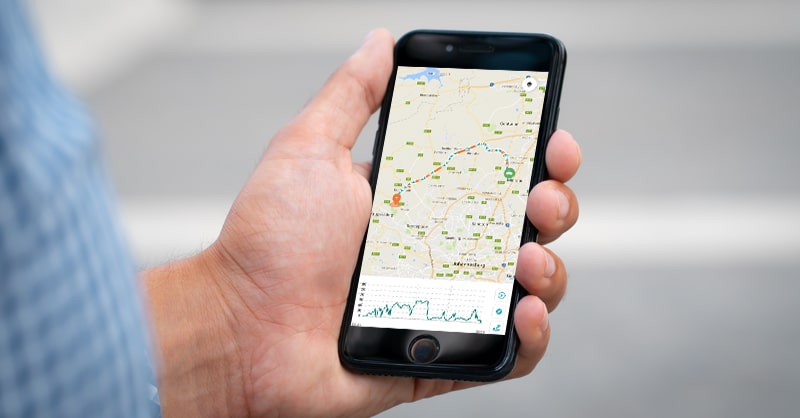
For vehicle tracking to work, a GPS tracking device is needed. This is a small, portable unit that is installed in a vehicle (or even an asset to be tracked), allowing you to track the exact location of the vehicle or asset and receive information on when, where and how your vehicles are being used.
Sounds similar to in-car navigation systems, right? But there are striking differences. On the one hand, GPS navigation systems show your location on a digital map and provide directions from point A to point B. On the other hand, GPS tracking devices use telematics technology to determine a vehicle’s exact geographical location and trip history and, what’s more, store this data on a computer, smartphone or tablet.
Shall we dive into how this smart device works?
How a GPS vehicle tracking system works
GPS, which stands for Global Positioning System, is a constellation of satellites that supports high-precision positioning, navigation and timing (PNT) measurements around the world. GPS tracking systems use the position of three or more Global Navigation Satellite System (GNSS) satellites to determine an exact geographical location.
There are different ways in which a GPS vehicle tracking system can work. Active or commercial tracking systems provide a real-time view of a vehicle’s geographical position, whereas passive tracking systems or GPS loggers do not offer real-time tracking. Instead, they simply collect and store a vehicle’s GPS location and trip data based on specific events, to be viewed later.
Although active and passive vehicle trackers are the same GPS devices, they have different functions. Fleet managers use active tracking systems to monitor the location and behaviour of drivers in real time. Passive tracking systems, on the other hand, give fleet managers data and information on the geographical locations of fleet vehicles, driver behaviour and other vehicle insights whenever they need to access the information and data.
How can vehicle tracking systems be used?
As there are different vehicle tracking devices, there must be different ways of using vehicle tracking systems. Let’s explore the different scenarios in which vehicle tracking systems can be used:
- To track a fleet: You are a fleet manager and want to know the exact geographical location of your drivers and fleet. To make matters worse, customers are unhappy with the company’s services; complaints include late deliveries or non-deliveries and lost or damaged goods. And if that is not enough, you have to deal with piles of paperwork, including missing and unsigned proofs of delivery (PODs).
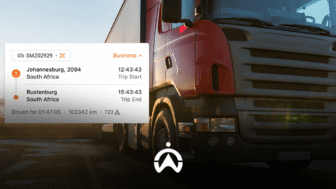
In this case, fleet managers often use GPS tracking to monitor the whereabouts of vehicles. With vehicle tracking, fleet managers have a simple, uncomplicated way to manage and oversee vehicles. Fleet managers receive information on where drivers and vehicles are at a given moment, where drivers have travelled throughout the day and the deliveries that have been completed, as well as electronic PODs.
- To keep an eye on your car: You are a car owner and need the peace of mind of finding your car exactly where you parked it. You want to have fun, live your life, go shopping and have lunch with friends without having to worry every second about the safety of your vehicle.
You can use GPS tracking to stay informed about the exact geographical location of your vehicle at any time, receive notifications in the event of suspicious idling and, if your vehicle is stolen, it can be tracked and recovered.
9 benefits of vehicle tracking
The obvious benefit of vehicle tracking is that it provides real-time vehicle tracking; this is a basic function that paves the way for more benefits of vehicle tracking. There are more reasons why your business will benefit from vehicle tracking; here are nine:
1. Full visibility of drivers, fleet and assets:
Previously, fleet managers had no way of knowing the exact geographical location of the fleet or even the completion rate of deliveries. Now, GPS tracking systems allow fleet managers to create, assign and monitor drivers’ tasks on a single platform. The ability to oversee the entire fleet operation puts you in control of productivity, service delivery and costs.
2. Reduced operating costs and increased profits:
whether it is saving money or time, GPS tracking provides actionable information on how the fleet’s time, money and resources are used. That way, fleet managers can analyse operating expenses and reduce unnecessary costs and wasted time, and increase profits.
3. Reduce vehicle downtime:
Fleet vehicles are on the road every day (whether for long or short distances) or, in some cases, are not used for long periods. Whatever the case, vehicles cannot go without regular maintenance or they suffer damage such as wear and tear and engine failure.
With vehicle tracking, fleet managers receive diagnostics and alerts to ensure that possible damage to vehicles is identified and vehicles are maintained regularly. This information reduces vehicle downtime and the risk of vehicles breaking down while drivers carry out tasks and deliveries.
4.Greater customer satisfaction:
vehicle tracking not only increases customer satisfaction by raising productivity through clear task allocation and task progress tracking, but also enhances the customer experience by involving customers every step of the way. With vehicle tracking, customers can get real-time tracking of their cargo, from dispatch to delivery. This allows fleet managers and customers to communicate and stay informed about any emergency changes to the delivery. Customers can sign electronic PODs more efficiently and receive an email
5.Theft prevention:
Another reason fleet businesses benefit from vehicle tracking is that it provides the ability to recover stolen vehicles. Vehicle tracking systems help reduce crime related to vehicle theft by making it easy and affordable to track the whereabouts of vehicles, which saves the financial and resource losses that vehicle theft could cause.
6. Integrated fleet management:
with vehicle tracking, fleet managers not only get a bird’s-eye view of the entire fleet operation in real time, but can also create, assign and track tasks seamlessly. The ability to assign and track tasks easily leads to higher productivity, fewer incorrect or late deliveries and reduced operating costs.
A game-changing benefit of vehicle tracking for fleet management is the ability to communicate efficiently in an emergency. When unexpected situations arise, fleet managers can communicate changes to drivers, quickly decide which vehicles to send where or decide on the best alternative routes for drivers
7. Minimise paperwork and admin:
Managing handwritten paperwork can be stressful and time-consuming. With vehicle tracking, there is no need to create timesheets manually, create receipts to record payments or fill in and search through piles of paperwork. Vehicle tracking allows fleet managers to reduce the admin burden with the ability to assign tasks, track drivers and fleets and store electronic PODs in one place.
Reducing paperwork and admin increases employee productivity, as it removes the paperwork and admin burden from employees and allows them to focus fully on completing tasks.
8. Increase driver accountability: the ability to create, assign and track tasks seamlessly ensures that there are clear expectations of tasks and work ethic. With access to information and data on the precise geographical location of vehicles, vehicle trip history and driver behaviour, every employee can be held accountable for their work ethic, whether good or bad. In this way, vehicle tracking can foster a culture of accountability, integrity and honesty, as well as reducing internal and external conflict.
9. Improved driver safety: driver safety should be a major priority for fleet businesses, as the success of the business depends on drivers’ ability to complete tasks efficiently and safely. Road safety risks, on the other hand, can lead to accidents, injuries to drivers, legal problems and financial losses. confirmation.
There are many ways in which vehicle tracking increases driver safety. Some of them include route optimisation, allowing fleet managers to create the most economical, cost-effective and safest route for drivers, whatever the size of the fleet business, camera solutions to monitor driver behaviour, as well as driver assistance in an emergency. Vehicle tracking tools can also allow fleet managers to monitor poor driver behaviour, such as speeding, harsh braking and acceleration.
Why you need a tracking device for your car
Whether or not you are a fleet manager or the owner of a fleet business, getting a vehicle tracking device is beneficial, as it lets you personally monitor the geographical location of your car at any time.
Here are a few reasons why you should get a vehicle tracking device for your car:
- To ensure the safety of your car at all times.
- To be alerted if your car is tampered with or stolen.
- To remotely disable your car’s ignition to prevent theft.
- To get rapid assistance if your car is stolen.
- To recover your stolen vehicle.
- To receive reports on maintenance, driver behaviour and vehicle trips.
This may sound like a lot of admin, but it isn’t. All of it can be done remotely, on your smartphone, with the Cartrack app.
Boost your business with Cartrack GPS features
Cartrack provides an easy-to-use platform that allows fleet managers to oversee the entire fleet operation in one place. Cartrack’s features ensure that fleet managers run the fleet as well as possible at the lowest cost, ensuring your business reaps the rewards.
Below are some Cartrack features that allow fleet managers to monitor fleet vehicles, driver behaviour, fuel use and much more:
- MiFleet: With MiFleet, fleet managers can manage their fleet, drivers and fleet-related costs efficiently. MiFleet is easy-to-use software that allows fleet managers to monitor fuel transactions, be alerted to fuel risks, be informed of possible fraud, look into ways to save fuel and money, and reduce admin.
- Geofence: Geofence uses precise GPS positioning to set boundaries around certain areas that vehicles are not allowed to cross. With this Cartrack feature, fleet managers can monitor when vehicles enter or leave the predefined geographical boundaries, receiving a notification via SMS and email.
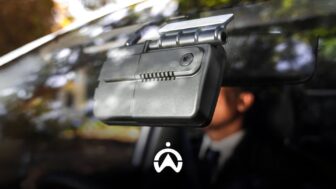
- AI-powered cameras: Cartrack’s easy-to-use vehicle video cameras give fleet managers real-time visibility of their fleet, assets and drivers. With this AI-powered, live-stream camera technology, fleet managers get event recordings, as well as information and data that provide critical insights for improving driver behaviour and productivity.
- Routing: This is a Cartrack feature that allows fleet managers to easily set, optimise and manage predefined routes for fleet vehicles to reduce waste in operating costs. In the event of route deviations, fleet managers receive real-time alerts. That way, fleet managers can ensure that drivers complete their tasks.
- Stolen Vehicle Recovery (SVR): SVR is a Cartrack feature that can save fleet businesses the financial losses caused by vehicle theft. Using advanced tracking devices installed in vehicles along with a highly trained response team, Cartrack has a stolen vehicle recovery rate of more than 92% and offers a generous Stolen Vehicle Recovery Warranty of 500.000,00MT
Get vehicle tracking 24 hours a day, 7 days a week with Cartrack
Cartrack offers fleet businesses and car owners a variety of packages with various vehicle tracking features. That way, you can find the package that is best for you based on your personal or business needs.
Get in touch with us today!
 South Africa
 Botswana
 Kenya
 Malawi
 Namibia
 Nigeria
 Swaziland
 Tanzania
 Zimbabwe
 Hong Kong
 Indonesia
 Singapore
 Malaysia
 Philippines
 Thailand
 New Zealand
 Vietnam
 Poland
 Portugal
 Spain
 United Arab Emirates

 PT