With the general rise in the cost of living, whether for fresh produce or monthly rent, the recent increase in the petrol price is starting to feel like too much for many. Although we cannot bring petrol prices down, we can give you some fuel-saving advice that could help keep your wallet a little fuller every month.
For many of us, saving money and drawing up a budget does not come naturally. More often than not, we end up spending the money we saved in the first place. Well, don’t worry, we are going to unpack a few ways to burn less fuel and save more money.
We know that millions of Mozambicans are feeling the pinch at the petrol pumps. That is why Cartrack is giving drivers something to smile about.
And here are some tips for managing your fuel better
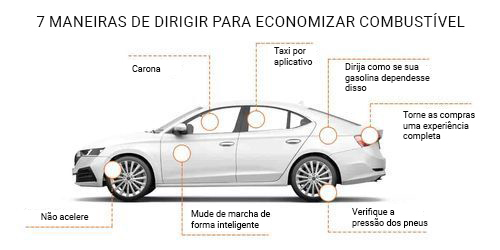
1. Drive like your petrol depends on it
Keeping the engine running while the vehicle is not moving is not recommended, and here is why: idling while driving burns an unnecessary amount of fuel and puts strain on some parts of the vehicle, which can be damaged over time.
Contrary to popular belief, continually switching your car on and off while stuck in traffic does not burn more fuel than leaving it idling; in fact, idling burns more. We go into this in more detail in another article that explains how switching off the engine when you are not moving for more than 10 seconds can be a simple fuel-saving solution that also saves business costs.
2. Don’t speed
Sure, it may feel as though you are getting from A to B faster, but speed is one of the biggest contributors to rapid fuel consumption. Simply put, vehicles naturally use more energy when accelerating.
If you are serious about getting the most kilometres out of every litre, we recommend that you leave bad driving habits such as speeding, harsh acceleration and harsh braking for the race track and follow the rules of the road. Practising safe driving and keeping within the recommended speed limit, especially on long-distance roads, will dramatically improve your vehicle’s fuel economy.
3. Change gear smartly
If you have a manual gearbox, changing gear too early may be another reason why you find the fuel light coming on much sooner than expected.
Not giving your vehicle enough time when changing down from a higher gear to a lower one will increase fuel consumption and engine strain, as the engine keeps running at higher revs while shifting into a lower gear, making the engine work harder than it should.
To help reduce the load on the engine, keep the revolutions per minute low when driving, preferably between 1.500 and 2.000 rpm, and below 3.000 revs when accelerating on a motorway. This will give you the ideal fuel efficiency for your engine.
4. Check your tyre pressure
Believe it or not, the condition of your car affects its petrol consumption. Keeping up to date with your car’s services and checking its maintenance often are good habits to have if you want to save fuel.
Underinflated tyres take up more space on the road, causing them to drag while you drive. This increases resistance and fuel consumption as you carry on using them.
Depending on the manufacturer, you can usually find the recommended tyre pressure on the inside of the door or in the manual. For low rolling resistance tyres, you can have the pressure pumped up to 0,3-0,5 bar above the recommended level for a smoother drive.
5. Make shopping a one-stop experience
Another smart way to make every drop in your tank count is to make shopping a “one-stop shop”. Picture this: you have finally finished your long day at work and are about to head home. You get home, open the fridge and realise you are out of ingredients. Before you have even put your feet up, you are already out of the house again, heading to the shops.
Next time, stop at the local shops on your way home and buy what you need. Simply planning your trips or routes before you set off can help you avoid burning unnecessary fuel.
6. Carpooling
“Carpooling” or, more commonly, “giving a lift” is the next big idea when it comes to saving your own fuel. According to Business Tech, carpools and lift clubs are South Africans’ preferred options for beating record petrol prices.
As well as saving money on fuel costs, taking turns to give lifts lets you sit back, relax and listen to music while you ride through town. If more people started sharing lifts, fewer cars would be on the streets, traffic would be greatly reduced and air pollution would slowly decrease.
Carpooling also helps to extend the life of your own vehicle, as your monthly mileage will be significantly reduced. Although this fuel-saving method is very popular, it can have an impact on insurance premiums.
For example, if you are the designated driver and receive payments that exceed just the petrol and parking costs, your insurer may see this as a business transaction and require you to switch to commercial insurance or obtain special permission for carpooling.
7. App-based taxis
If you don’t have a group to drive with, or simply don’t enjoy the company of local strangers, e-hailing services may be for you. With e-hailing, you don’t need to worry about how much petrol is left or about extra wear and tear on your own car. Just open an app, request a car, wait for the driver and enjoy the ride.
These days, there are several taxi apps to choose from. All of these services offer different prices on rides and offer their own special discounts on their respective mobile apps from time to time.
A helpful fuel assistant
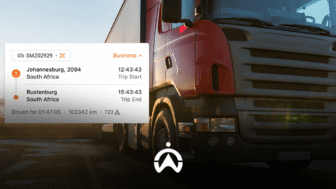
There is also technology that can help you monitor your vehicle’s fuel use. You can keep track of how much fuel your fleet or vehicle uses every day with Cartrack’s smart dashboard. By analysing the data provided by the devices installed in your fleet or everyday vehicles, you can find out where the most fuel is being used and why.
Cartrack can also work out the safest and fastest route for you to take when driving, so that you don’t have to burn unnecessary extra fuel to reach your destination. Visit us today to start saving fuel.
 South Africa
 Botswana
 Kenya
 Malawi
 Namibia
 Nigeria
 Swaziland
 Tanzania
 Zimbabwe
 Hong Kong
 Indonesia
 Singapore
 Malaysia
 Philippines
 Thailand
 New Zealand
 Vietnam
 Poland
 Portugal
 Spain
 United Arab Emirates

 PT