The best fleet management software for your construction business
Published
Reading time
13 minutes
Blogs
Have you ever wished you had the perfect assistant to effortlessly handle the ins and outs of your construction fleet? Well, meet the ultimate candidate for the job – Cartrack.
Stay tuned as we dive into the features and benefits of fleet management software and discover what makes Cartrack Mozambique the ideal co-pilot for managing your construction fleet.
In this article, you will:
• Discover the fundamentals of construction fleet management
• Distinguish between construction fleet managers and project managers
• Understand the challenges of not having a fleet management tool
• Learn why fleet management software is essential for construction companies
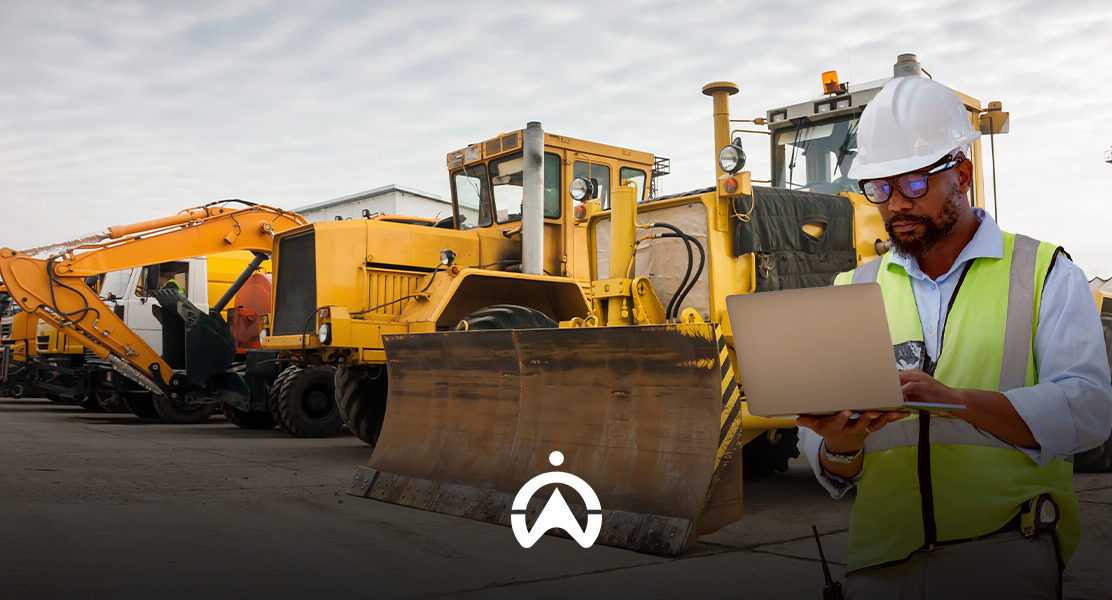
Construction fleet management involves managing a fleet of vehicles and equipment used for various tasks in the construction industry.
For example, heavy equipment such as excavators and bulldozers is designed to handle large excavation and earthmoving projects, while smaller vehicles such as dump trucks ensure that materials are transported to and from the site efficiently. All of these are extremely valuable assets, and poor management of them can cause project delays, safety risks or even increased downtime, affecting your construction business’s bottom line.
That is why construction fleet managers play a vital role. They help ensure the safety and efficiency of drivers, vehicles and the construction site itself. To do this effectively, fleet managers need to track their fleet’s performance daily, so they can identify areas where improvements are needed or where risk concerns must be addressed, and put systems in place to fix them.
Construction fleet manager vs construction project manager
Like any fleet manager, a construction fleet manager is responsible for coordinating every aspect of the fleet, from route planning and fuel management to vehicle maintenance and repair. They manage the use, maintenance and operation of construction vehicles and equipment, ensuring that each vehicle gets the maintenance it needs to avoid problems or major repairs that can be costly or increase safety risks.
Besides their vehicles and equipment, they also oversee;
• Driver training
• On-site safety protocols
• Compliance with industry standards and regulations
• Managing fleet costs
In addition, construction managers are responsible for coordinating vehicles on site, deciding where vehicles are placed based on the type of project for the best efficiency, managing fuel logistics and making sure operations run smoothly.
Construction project manager
Construction project managers, on the other hand, tend to deal with the behind-the-scenes aspects of construction.
A construction project manager is tasked with organising and overseeing every stage of a construction project, ensuring it runs smoothly from start to finish. Their responsibilities include creating project plans, managing budgets and resources, working with contractors, obtaining the necessary permits and ensuring compliance with regulations. Ultimately, their role is crucial to ensuring that projects are completed on time, within budget and to the specified standards of quality and safety . The responsibilities of a project manager overseeing the construction of a new office building, for example, would include:
Creating a detailed project plan and carrying it out
Obtaining the necessary permits and approvals from local authorities
Recruiting and supervising a team of contractors and subcontractors
Monitoring asset use
Tracking the project’s progress and making adjustments as needed
Ensuring the project is completed on time, cost-effectively and satisfactorily
In short, a construction project manager is the driving force behind the successful execution of complex construction tasks and projects.
Roles and responsibilities of a fleet manager in construction
Fleet managers in construction are responsible for overseeing and running the company’s entire fleet, including vehicles, equipment, drivers and cargo. This means ensuring the fleet operates efficiently and putting essential practices in place for improvement.
Vehicle acquisition and disposal
Fleet managers must carefully assess the company’s needs when buying new vehicles. Factors such as the nature of the construction projects, fuel efficiency, operating conditions such as weather and terrain, and budget constraints are all taken into account. When it comes to older assets that need constant maintenance and are expensive to repair, fleet managers are tasked with disposing of and upgrading vehicles in a cost-effective and environmentally conscious way. Options may include auctions, trading in for newer models or charitable donations.
Vehicle maintenance and servicing
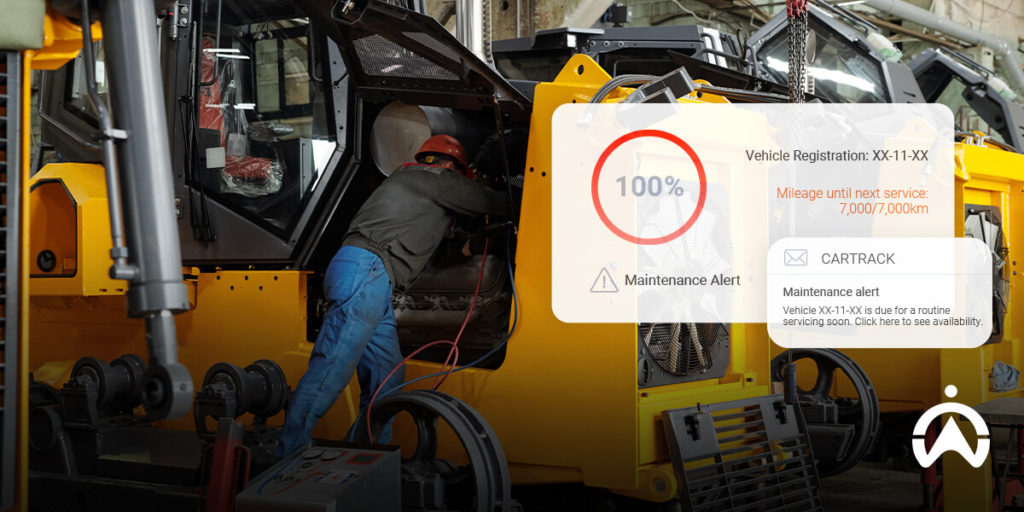
Ensuring all vehicles are properly maintained is crucial for fleet managers to keep them in optimal condition and extend their working life. This involves creating and sticking to maintenance schedules, monitoring mileage and usage, and resolving potential problems promptly.
Security
Prioritising driver and vehicle safety is a primary responsibility of fleet managers. They set up and run safety programmes, monitor and manage driver behaviour and ensure vehicles are well maintained with the necessary safety features. Carrying out safety audits and inspections to identify and correct potential hazards is also part of their role.
Fleet performance monitoring
Fleet managers routinely monitor fleet performance to identify areas that need improvement. This involves monitoring fuel and maintenance costs, asset use, vehicle activity and downtime. Implementing software for data collection and analysis helps identify trends and patterns.
Beyond these responsibilities, fleet managers also carry out tasks such as inventory tracking, procuring materials and coordinating deliveries. They may also oversee the loading and unloading of vehicles and equipment, ensuring the proper storage and safety of all materials and equipment.
Why choose fleet management software
Construction fleet management involves managing all the equipment and vehicle assets for construction projects, including trucks, vans and specialised construction machinery such as excavators, loaders and cranes, and being in charge of all this can be exhausting at times. One small oversight can compromise the safety of your drivers or other civilians nearby. Enter software for fleet management, which helps construction fleet managers make sure no stone is left unturned.
What management technologies does a construction company need?
There are various fleet technologies that can offer a particular set of benefits depending on your business model and sector. The needs of the business often determine the specific features your construction fleet requires. For example, a company concerned about safety may want to choose a system that includes camera software, such as dashcams, while a company concerned about fuel efficiency may want to choose a system that includes fuel monitoring software.
Here are some fleet management technologies that would benefit a construction company:
Telematics: Telematics systems offer detailed information on vehicle performance and driver behaviour. They can monitor fuel consumption, engine diagnostics, harsh braking events and other crucial metrics. This information helps identify areas for improvement, provides guidance on safer driving practices and reduces the risk of accidents or breakdowns.
Geofencing: Construction managers can use geofencing to create virtual boundaries around specific areas, such as job sites or restricted zones. When a vehicle enters or leaves these zones, fleet managers receive alerts. This feature prevents unauthorised vehicle use, ensures compliance with safety protocols and tracks vehicle movements for payroll or billing purposes.
Dashcams: mounted on the dashboard or windscreen, dashcams record the view ahead of the vehicle. This footage serves several purposes, from exonerating drivers in accidents to providing evidence of unsafe driving practices and supporting insurance claims.
Fleet management apps or platforms: These apps let construction managers access fleet data remotely from their smartphones or tablets. They can track vehicle locations, monitor driver performance, send dispatch notifications and receive real-time alerts, improving the overall efficiency of fleet management.
Challenges faced without a construction fleet management tool
Fleet managers in construction face a range of challenges in planning, organising and carrying out construction projects. Without construction fleet management software, these challenges become even more daunting, potentially harming productivity, increasing costs and standing in the way of projects’ overall success.
Here is a quick look at the main challenges construction managers face without proper fleet management software:
Inefficient vehicle and equipment tracking
Manually tracking the location of vehicles and equipment can be time-consuming and error-prone, resulting in poor use of resources and increased downtime. Without real-time visibility of where vehicles and equipment are, construction managers struggle to optimise scheduling and dispatch, leading to delays and excessive costs.
Reactive maintenance practices
Without predictive maintenance capabilities, construction managers often rely on reactive maintenance, responding to breakdowns and repairs only after they happen. This reactive approach can lead to frequent equipment stoppages, unplanned downtime and higher maintenance costs.
Poor operator management
Manually tracking operators’ schedules, timesheets and performance metrics can be inefficient and error-prone, making it hard to ensure that operators are properly trained, comply with regulations and work productively. Inadequate operator management can lead to safety risks, lost productivity and higher labour costs.
Lack of data-driven insights
Without access to real-time data and analytics, construction managers lack the knowledge they need to make informed decisions about fleet use, maintenance schedules, operator performance and cost optimisation. This lack of data-driven decision-making can lead to inefficiencies, poor allocation of resources and higher project costs.
Increased safety risks
Manually tracking safety incidents and near misses can be ineffective at identifying and addressing safety risks. Without a safety system in place, construction managers struggle to prevent accidents, reduce injuries and maintain a safe working environment.
Limited communication and collaboration
Manual communication methods, such as phone calls and emails, can be slow and inefficient, hampering communication and collaboration between construction managers, operators and other stakeholders. This lack of real-time communication can lead to delays, misunderstandings and missed opportunities for improvement.
For example, a construction manager may not be aware of a change to the project plan, leading to delays and rework if operators are not informed promptly.
The best fleet management tool for any construction company
If you’re looking for a fleet management solution for your construction business and would prefer a tool that can give you real-time GPS location, mileage monitoring and reporting, asset management and much more, all on a single platform – then Cartrack is the solution you’re looking for.
Whether your business falls under construction services, mining, oil and gas, or the transport and logistics industry, Cartrack Mozambique offers a range of features, services and packages that fit your business model perfectly.
How Cartrack Mozambique’s solutions can help efficiently
Cartrack has every feature a construction fleet manager needs to manage their fleet properly, whatever the job.
AI cameras
Boost your fleet’s safety with AI-powered cameras, with up to eight interior and exterior cameras with in-cab audio. These help increase the safety of your drivers, vehicles and cargo, as drivers can receive real-time audible alerts about potential problems, allowing them to quickly correct risky driving behaviour and avoid collisions. Our cameras also provide video footage for driver accountability during events or accidents, which can also be used to further coach and educate drivers.
Monitoring sensors
Cargo door sensors: Monitor the delivery drop-off point and stay informed about the safety of your cargo by receiving instant notifications the moment the cargo doors open or close. This feature ensures that only authorised people can access your cargo area, helping to keep your valuable cargo safe.
Drum rotation sensor: tailored for cement trucks, our sensors monitor the speed and direction of your truck’s drum rotation. This ensures your cement stays well mixed, meeting the expected quality standard.
Asset management
Asset management from Cartrack Mozambique lets you track the use of your assets in real time. Remotely schedule your equipment effectively across multiple project sites, avoiding over- or under-use of your assets to optimise fleet performance.
ID tags
Know who’s behind the wheel with our ID tags. A tag is assigned to each driver in your fleet so you can easily identify which drivers are operating your vehicles. These tags, together with our Start Prevent feature, ensure that only authorised personnel operate your assets.
“By using Cartrack’s advanced fleet management, we have been able to increase our operational efficiency to offer our customers a better service, as well as effortlessly establish a maintenance cycle that cuts our costs and extends the life of our fleet.”
Gareth Langley, Operations Manager at Concord Cranes
Concord Cranes faced challenges in accurately recording its cranes’ operating hours, affecting its ability to meet customers’ delivery schedules. This obstacle prompted the search for a more efficient solution.
We have helped Concord Cranes, along with more than 110,000 other businesses, to streamline their construction fleet and optimise productivity. Let us help your business.
Trust Cartrack Mozambique with your construction fleet management needs
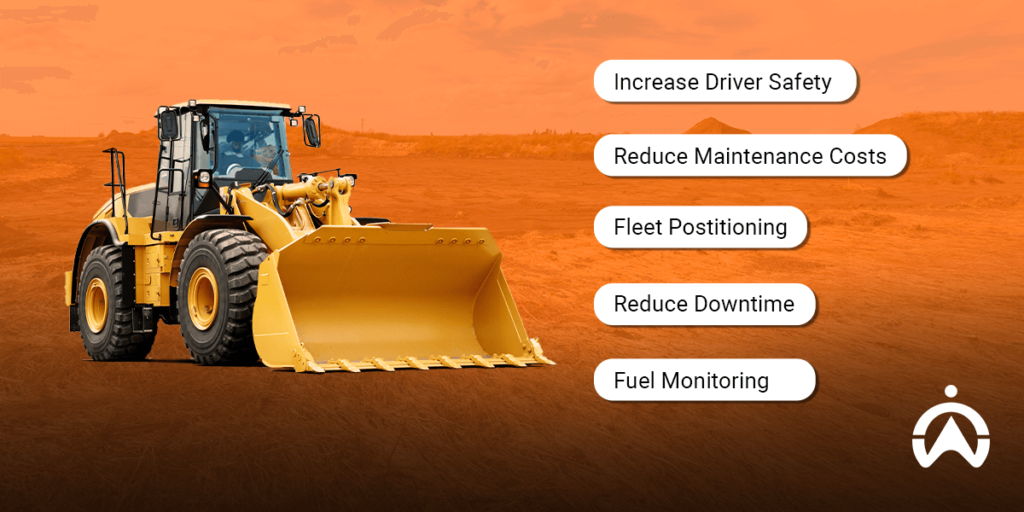
Construction operations move fast, involving multiple job sites, a variety of assets and mobile teams. Count on Cartrack Mozambique to monitor all your heavy equipment, from vehicles to powered trailers and other assets in your arsenal.
Food Transport Facts and What You Need to Know When Managing Your Fleet
Blogs
11 minute read •
Important facts about food transport in fleet management: keeping perishable goods fresh in transit directly affects your profits — and mixing food loads is a serious mistake. Other facts include the food distribution regulations in force in Mozambique, the challenges of electricity supply and the […]
7 Ways to Increase the Efficiency of Your Construction Fleet
Blogs
12 minute read •
The seven main ways to increase the efficiency of your construction fleet are: Use telematics and GPS tracking to keep everything under control. Keep vehicle maintenance up to date.. Implement a fuel monitoring solution. Offer your drivers ongoing training. Plan better routes between sites. Match the size of the fleet to […]
How to Manage Your Light Commercial Vehicles (LCVs) Effectively with Fleet Management Software
Blogs
12 minute read •
To manage your light commercial vehicles effectively with fleet software, you should invest in a platform that directly addresses the biggest challenges LCVs face. LCV fleets deal with unique vulnerabilities because of their frequent trips. Wear and tear, wasted fuel, unexpected downtime and more are some of the main concerns. LCVs are […]
 South Africa
 Botswana
 Kenya
 Malawi
 Namibia
 Nigeria
 Swaziland
 Tanzania
 Zimbabwe
 Hong Kong
 Indonesia
 Singapore
 Malaysia
 Philippines
 Thailand
 New Zealand
 Vietnam
 Poland
 Portugal
 Spain
 United Arab Emirates

 PT