Fleet managers have a finger in every pie. That’s not a bad thing. It’s how they ensure the success of the business.
They are often responsible for empowering their fleet and figuring out how to implement best practices for overall fleet efficiency.
From customer service to ensuring timely fleet activity, reducing costs and improving efficiency, to making sure the fleet’s drivers and vehicles are in top shape.
Let’s unlock the key to best practices in fleet management.
In this article, you will:
- Understand the different fleet management practices
- Learn how to increase your revenue with fleet management best practices
- Discover how to build a fleet management plan to tackle your business’s challenges
- Find out how fleet management software from Cartrack Mozambique helps businesses accelerate revenue
What is fleet management?
Fleet management is about overseeing the operation of various types of vehicles, e.g. buses, cars, trucks and even other assets used for business purposes. It’s not just about keeping them fuelled and maintained; it’s about building a system that ensures efficiency, safety and savings.
What are the priorities of fleet management?
Fleet management priorities can vary depending on the specific industry, the size of the company and the fleet’s individual goals. However, some core priorities generally apply in most contexts:
- Safety and compliance
- Efficiency and cost management
- Driver management and engagement
- Sustainability and environmental awareness
- Technology integration
These are the general priorities fleet managers concern themselves with every day. By developing a comprehensive and effective fleet management strategy, fleet managers can improve the safety of vehicles and drivers, maximise efficiency and increase cost savings.
Let’s take a look at the common fleet management practices involved in a fleet system.
Common fleet management practices
- Vehicle acquisition
Vehicle acquisition is the crucial process of adding new vehicles to the fleet. It’s more than just buying cars; it’s about strategically selecting the right vehicles, at the right time, cost-effectively, that will bear the most fruit for your business.
- Vehicle tracking
This is the backbone of modern fleet management, providing real-time information on the location, movement and performance of company vehicles. It’s like having a continuous digital view of your entire fleet as you gain data-driven insights.
- Route management and dispatch
Fleet managers are responsible for planning and coordinating their fleet, which involves assigning tasks and planning the best routes for drivers based on real-time data, customer needs and driver availability.
- Fuel management
Fuel management in fleet management is about getting the most kilometres out of every drop, optimising fuel consumption and saving costs. It’s not just about filling tanks; it’s a strategic approach to monitoring, analysing and controlling fuel use across the fleet.
- Driver behaviour and safety monitoring
Keeping drivers safe and their behaviour responsible is fundamental to fleet management. This involves actively monitoring and improving their actions on the road. Fleet managers prioritise driver safety to reduce accident rates and lower maintenance costs.
- Fleet maintenance scheduling
Keeping your fleet in perfect condition is crucial for reliable operations, driver safety and cost control. Fleet managers work to schedule maintenance accurately and efficiently, ensuring vehicles are repaired at the right time, preventing breakdowns and maximising their lifespan.
- Vehicle rotation
Vehicle rotation involves strategically swapping or reassigning vehicles within a fleet to optimise their use and lifespan. It’s not just about swapping keys; it’s about maximising efficiency, minimising wear and tear and ensuring the right vehicles are in the right hands.
- Fleet economics
Fleet economics delves into the financial aspects of managing a fleet of vehicles. It’s about understanding the costs involved, optimising resource allocation and making informed decisions to maximise profitability and minimise expenses.
- Safety and compliance management
Safety and compliance are pillars of successful fleet management. It’s more than just avoiding accidents and fines; it’s about creating a culture of safety and ensuring every element of your operations complies with regulations
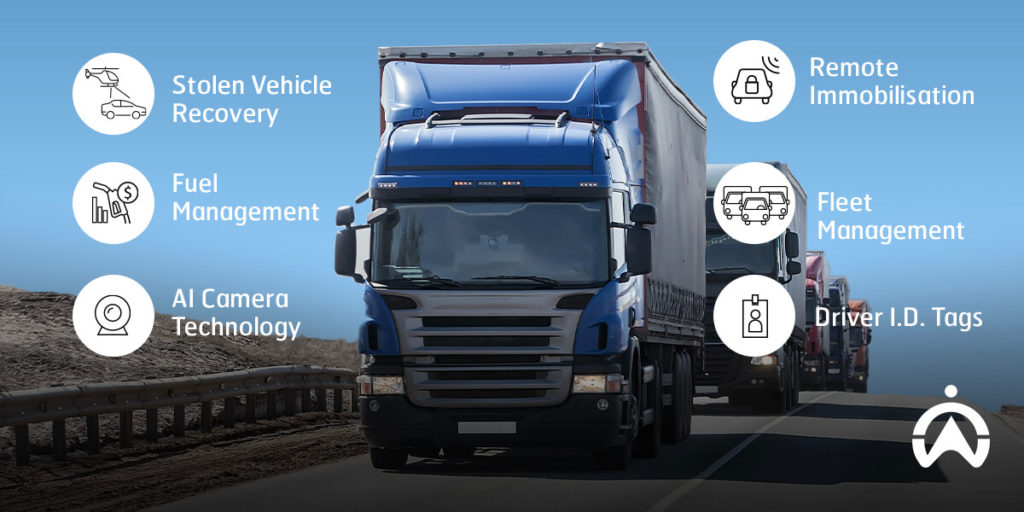
The purpose of fleet management
Our fleet management is the smartest way for businesses with moving assets to improve their operations, from productivity, safety, compliance and security to cost reduction. Strategic fleet management brings many benefits that ensure a well-oiled fleet operation.
Here are the main benefits of fleet management:
- Improves driver and road safety
- Optimises fleet operations (on-time deliveries, ideal routes, fast dispatch, etc.)
- Helps reduce fleet costs while increasing profits
- Improves overall visibility of fleet activities
- Generates important compliance data
- Increases vehicle longevity
- Improves fleet security by deterring theft, fraud and vandalism
- Helps reduce fleet emissions and fuel consumption
- Improves the working experience of the fleet crew
- Ultimately, improves customer satisfaction
Guide: how to increase revenue with these five fleet management best practices
With fleet management, it’s not just about acquiring more vehicles or getting more drivers. Every link in the chain must result in increased revenue for the business. This can only be achieved by implementing best practices in fleet management.
These five fleet management best practices can help you increase your revenue:
- Use fleet data management software
Fleet data management refers to the processes of using the powers of GPS, AI and other technologies to gather, organise, consolidate, analyse and report on fleet operations in a business.
This is a strategic way to create a fleet diagnostics system that helps businesses identify areas for improvement, optimise performance and prevent problems.
There are a few strategies businesses can use to make sure they’re on the right track:
– Using vehicle data to make better decisions
– Leveraging driver records
– Upgrading your dispatch system
– Prioritising maintenance
- Use fuel management solutions
Introducing fuel monitoring strategies and fuel cost management solutions is one of the smartest decisions fleet managers can make. Businesses are challenged by rising fuel costs, as well as other problems such as fuel theft and waste caused by poor route planning.
These fuel management best practices will help businesses increase their revenue:
– Monitoring fleet fuel trends
– Improving driver behaviour
– Preventing fuel fraud and theft using automated systems
– Detecting the impact of fuel price increases on fleet fuel management
- Improve driver administration
Driver administration in fleet management involves managing the workforce that drives your wheels. It’s about making sure your drivers are qualified, understand safe driving practices, can be productive and, ultimately, drive your fleet to success.
These best practices for hiring and managing drivers will help businesses increase their revenue. Here are some best practices:
– Select qualified, licensed drivers
– Introduce training on safety and good driving practices
– Implement performance management
– Train drivers in fuel-saving driving practices
- Develop a fleet maintenance strategy
The best way to stay on top of your fleet’s performance is to get ahead with your fleet maintenance strategy. Fleet managers can ensure their vehicle stays on the road for longer and reduce the cost of maintenance through fleet maintenance. Whether the maintenance strategy is preventive or predictive, you decide the smartest strategy for your fleet
Here are the best approaches to fleet maintenance for businesses:
– Avoid reactive fleet maintenance.
– Opt for a preventive maintenance strategy or a predictive maintenance plan
– Use digital systems to streamline your process and keep accurate vehicle health records
- Become customer-centric
Customer satisfaction is your business’s number one priority for securing and improving your business’s revenue. Focusing on customers leads to increased sales and greater customer loyalty, and helps you win new customers. By running efficient operations, fleet managers and business owners win in every possible way.
Here are some best practices for increasing customer satisfaction:
– Route planning for deliveries to ensure goods, equipment and services are delivered to customers on time.
– Improving communication with customers: if there are delays or changes to delivery dates, it’s best to communicate this to customers.
– Reducing the frequency of breakdowns through maintenance plans and proper fuel management.
Every business is unique and has its own fleet challenges. A small business, for example, may have 5 to 10 vehicles, while a more established fleet company may have more than 50 and even 100 vehicles to manage. Businesses in different industries also face unique challenges related to operating their fleets.
Let’s take a look at this guide for different businesses.

Guide: how to build a fleet management plan to tackle your business’s challenges
A fleet management plan is valuable for businesses in different industries, including construction, oil and gas, cold chain supply, engineering, logistics and even financial services or safety.
Here’s a quick guide on how to build a fleet management plan in three types of industries to tackle various business challenges.
Construction
Construction companies face unique challenges when it comes to managing their fleets. Beyond the usual concerns of cost, efficiency and safety, specific factors in the construction environment add an extra layer of complexity. Here are some key challenges a fleet management plan can help construction companies with.
Common Fleet Challenges
- Heavy wear and tear on specialised equipment
- Project-based operations
- Locating construction equipment
- Driver management and safety
Transport
From road haulage companies to ride-sharing platforms, every transport company faces a unique set of challenges in managing its fleet. Challenges that are more prevalent in this industry. Here are some of the challenges a fleet management plan can help a transport company with.
Common Fleet Challenges
- Rising fuel and maintenance costs
- Minimising vehicle downtime
- Keeping up with new legislation
- Vehicle utilisation
Food industry
Transporting temperature- or time-sensitive goods is a challenging task for fleet management, but in the food industry it’s not something that can be compromised. The biggest challenge for these businesses is that they are highly customer/business partner-centric and share similar pain points.
Common Fleet Challenges
- Poor customer service
- Driver shortages
- Late/failed deliveries
- Reducing product theft or damage
With each of these challenges affecting different industries, introducing a general fleet management plan will not automatically improve some business operations. Your fleet management plan must be strategic and incorporate best practices for efficiency and revenue assurance.
4 ways Cartrack Mozambique paves the way for fleet management best practices
When you’re ready to transform your fleet management practices, from common practices to best practices, Cartrack Mozambique’s advanced software offers the smartest solutions.
Here are four ways fleet management software from Cartrack Mozambique can help your business establish best practices to increase revenue.
- Data accuracy and reliability
As a fleet manager, you may often encounter challenges in maintaining accurate, up-to-date information on the location of the fleet’s vehicles, assets or cargo.
By installing telematics in your fleet’s vehicles, trailers and assets, fleet managers can ensure data reliability and monitor the activities of their vehicles and equipment. Fleet managers get a comprehensive view of their fleet’s performance and operation with Cartrack Mozambique’s Fleet Pages. Fleet managers can optimise fleet routes, monitor fleet vehicle usage and access vehicle and driver reports. With the addition of sensors, fleet managers can also ensure the safe transport of their cargo.
Our advanced Internet of Things (IoT) technology goes beyond vehicle tracking and provides accurate data about your fleet that can be used to improve the overall efficiency and performance of your business operations.
- Fuel monitoring and management
Fuel is one of the biggest expenses in a fleet business and, with fuel costs being so volatile, managers need to conserve and monitor every drop in their fleet. A lack of fuel efficiency can impact a business’s productivity and profits.
With fuel sensors from Cartrack Mozambique, you can accurately measure the amount of fuel in your vehicle’s tank. These sensors are installed in vehicles such as trucks, buses or private cars, as well as in ships and also in stationary equipment such as generators. With these sensors, fleet managers can know about any increases or decreases in fuel levels and accurately monitor any refuelling or fuel waste and loss events. With additional software integration such as MiFleet, fleet managers can also have the system automatically analyse all their fuel transactions, compare fuel receipts with the vehicle’s telemetry data and receive alerts about any abnormal fuel costs. This helps them detect any fuel theft or fraud. Our fuel monitoring and management software is one of the most advanced ways to monitor your fleet’s overall fuel consumption and compile reports on fuel expenses, fees and taxes.
- Fleet maintenance solutions
Vehicle and equipment breakdowns often directly affect businesses’ revenue. If your fleet isn’t operating or your equipment isn’t operational, your business will lose money to downtime.
One of the most effective ways to avoid vehicle downtime is through fleet maintenance. Businesses can avoid reactive maintenance of their fleet by introducing a predictive or preventive fleet maintenance solution. This helps businesses stay ahead of any vehicle breakdown.
The system for fleet management from Cartrack Mozambique is a quick and accessible way to schedule your fleet’s maintenance. On this multifunctional platform, fleet managers can receive notifications about the condition of their vehicles. For example, they can receive information about engine faults and various reminders about when to change the oil or change the tyres based on the vehicle’s mileage. This makes it easier for fleet managers to schedule vehicle maintenance and set up any other reminders/alerts for vehicle services and repairs.
- Driver performance monitoring
Whether it’s recklessness, negligence or apathy, your drivers’ behaviour on the road can cost your business more than just a few speeding fines.
Cartrack Mozambique’s driver safety and SmartCabin camera technology help managers monitor driver performance using various integrated software. SmartCabin uses live streaming, AI cameras and real-time audible alerts to record and discourage dangerous activities while drivers are on the road. These cameras can detect events such as distracted/fatigued driving and phone use while driving. It also issues forward collision warnings to help drivers quickly change their actions and prevent accidents.
By monitoring driver performance behind the wheel, fleet managers can eliminate inefficient practices that hurt their business’s revenue. With IoT from Cartrack Mozambique, managers can also access driver reports to discourage bad driving habits. Installing telematics solutions and AI-powered smart cameras can help fleet managers identify poor driving practices, high-risk driving behaviours and various breaches of safety. Fleet managers can use this information to be proactive about driver, cargo and fleet safety, creating a safer driving culture.
Unlock the roadmap to revenue today
Protect your business’s bottom line, quarter after quarter, by implementing these essential guides to fleet management best practices.
With solutions for fleet management from Cartrack Mozambique, you can turn this roadmap into a sure way to unlock sustained financial growth as a fleet manager.
Contact us today and let us help you move from common practices to best practices.
 South Africa
 Botswana
 Kenya
 Malawi
 Namibia
 Nigeria
 Swaziland
 Tanzania
 Zimbabwe
 Hong Kong
 Indonesia
 Singapore
 Malaysia
 Philippines
 Thailand
 New Zealand
 Vietnam
 Poland
 Portugal
 Spain
 United Arab Emirates

 PT