How to Manage Your Light Commercial Vehicles (LCVs) Effectively with Fleet Management Software
Published
Reading time
12 minutes
Blogs
To manage your light commercial vehicles effectively with fleet software, you should invest in a platform that directly addresses the biggest challenges LCVs face. LCV fleets deal with unique vulnerabilities because of their frequent trips. Wear and tear, wasted fuel, unexpected downtime and more are some of the main concerns.
LCVs are some of the most widely used vehicles in Mozambique, typically used for deliveries, service work and other activities. In Mozambique, road transport is the main means of moving goods and people, with most freight travelling by road — which underlines the need for effective fleet management to ensure better control of vehicles and greater safety.
In this article, we will discuss how using fleet software can completely change the way you manage your LCV fleet. Get more clarity, efficiency and cost control for your business — all with the help of Cartrack Mozambique.
Key Takeaways:
LCV fleets face more intense daily demands, so they need software that helps to reduce costs, cut wear and tear and improve safety
Fleet software offers real-time tracking, smart maintenance alerts and fuel insights to manage your vehicles with ease
Cartrack helps you save money, coach drivers, prevent downtime and improve delivery times with a single, intuitive platform
Using clear data and real-time updates lets you run a safer, more reliable LCV fleet every day
Why do LCV fleets need a different management approach?
LCV fleets need a different management approach because they generally deal with different conditions compared with larger fleets, which points to the need for a new and unique perspective. Fleet management software allows LCV operators to monitor and tackle these specific challenges, ensuring trouble-free operations.
These are some of the key points to consider:
Higher daily mileage: Because of their urban nature, LCVs tend to cover more distance per day with all the deliveries and quick trips, which can lead to additional wear and tear.
Stop-start driving: Multi-stop trips are common, which means a lot of pulling away and braking. This puts more strain on the engine and on fuel consumption.
Higher driver turnover: Most of the time, drivers rotate between LCVs, which can be confusing when driver behaviour monitoring is a consideration.
Accelerated wear and tear: Daily trips with frequent pulling away and braking increase wear and tear, affecting the life of the vehicle.
Greater exposure to urban traffic: Heavy traffic and traffic jamsin the cities of Maputo and Matola can put a lot of pressure on vehicles and their drivers.
Pressure of delivery deadlines: High customer expectations and tight delivery windows add extra pressure to deliver and provide good service.
What is a light commercial vehicle (LCV)?
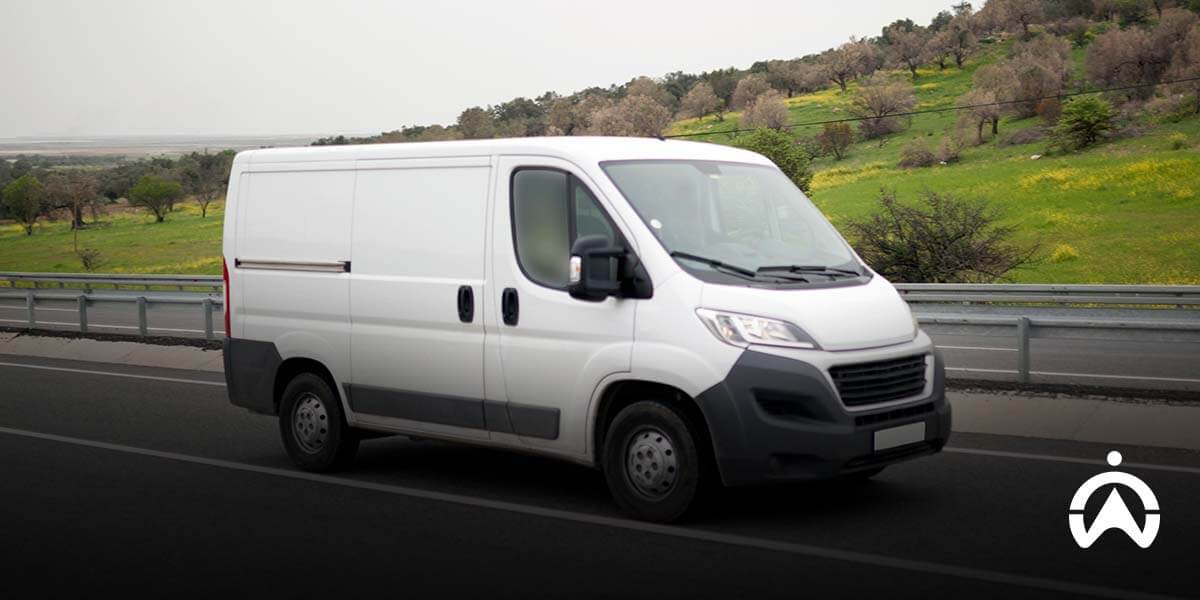
A light commercial vehicle is a vehicle that normally includes vans, pick-ups, small trucks and other vehicles weighing less than 3.500 kg. They are used for jobs such as deliveries, repairs and similar services.
These are the industries in which LCVs are normally used:
Deliveries (courier services, retail and e-commerce)
Repairs and field services
Transport (of people/passengers)
What does fleet management software help to manage in an LCV fleet?
Fleet management software helps to manage aspects such as compliance, safety and overall operational efficiency.
These are the main benefits of fleet management software:
Tracking: See where your vehicles are at any time and how they are being driven.
Maintenance: Plan regular services to avoid costly downtime.
Fuel management: Analyse fuel consumption and reduce waste.
Driver management: Encourage better driver behaviour, accountability and safety.
Safety and compliance: Make sure vehicles comply with the rules and regulations in force.
Productivity and cost control: Plan the best routes, minimise delays and improve business performance.
How much does fleet management software for LCVs cost?
The cost of fleet management software depends on several factors, such as the service provider, the features chosen, the needs of the business, the hardware and more. In Mozambique, prices vary according to the package and the number of vehicles. The return on investment (ROI) generally outweighs the initial costs, whatever the amount.
Cartrack can offer you a package that best suits the specific needs of your business, with no surprise fees or unclear pricing.
Main challenges for LCV fleet managers (and how software solves them)
The main challenges for LCV fleet managers include wear and tear and high fuel costs. Software solves these problems by providing the tools needed to tackle them. Features such as GPS tracking, driver monitoring and fuel consumption reports are just some of the tools that can transform the management of your LCV fleet.
Here is a breakdown:
LCV challenge: Rising fuel costs
How fleet software helps: LCVs generally have many routes with frequent stops, idle often and travel mainly in urban areas — all of which contributes to higher fuel consumption. The fleet software helps by tracking fuel consumption, analysing usage and issuing idling alerts. That way, you can identify where fuel is being wasted, avoid inefficient routes and much more.
LCV challenge: Above-normal wear and tear
How fleet software helps: On top of the multiple stops, frequent trips contribute to the vehicle's deterioration. Fleet software helps by offering notifications for predictive maintenance, which can help to prevent costly, unexpected downtime.
LCV challenge: Route delays
How fleet software helps: Working in urban areas such as Maputo and Matola means there will inevitably be congestion during trips, which affects delivery times. Fleet software helps not only to optimise routes for the fastest, most efficient trips, but also to share real-time route updates to keep drivers on the fastest routes.
LCV challenge: Dangerous driving
How fleet software helps: On top of the multiple stops and possible route delays, the pressure to deliver on time can lead to reckless behaviour on the road. Fleet software helps by monitoring drivers' habits, scoring behaviour and providing feedback for training. This can help you improve safety among your drivers.
LCV challenge: Unauthorised use or theft
How fleet software helps: With LCVs, there are generally many people using or sharing a vehicle. But beyond that, after-hours use and theft can seriously harm your business through increased liability. Fleet software helps by bringing together real-time GPS tracking, movement alerts and remote vehicle immobilisation to prevent misuse and help recover stolen vehicles quickly.
LCV challenge: Lack of visibility
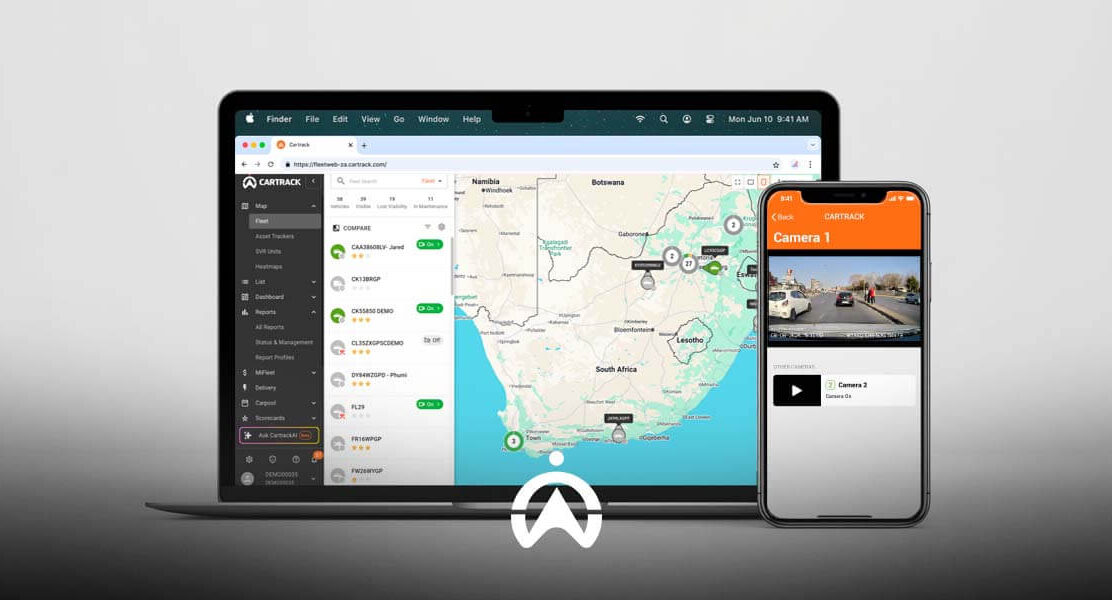
How fleet software helps: LCVs are constantly on the move between sites, customers and depots, so it can be hard to keep track of them without solid management control. Fleet software helps by presenting vehicle locations, fuel data, driving habits and other features on a single dashboard, giving managers the complete overview they need.
How to manage your LCV fleet more efficiently with Cartrack's fleet software
You can manage your LCV fleet more efficiently with Cartrack's fleet software, which has the tools that directly address your business's challenges. Some of these tools include smart insights into fuel use, proactive maintenance alerts and in-depth driver analytics that help to reduce operating costs:
These are some practical, actionable steps:
Monitor fuel consumption and cut unnecessary costs
Fuel tends to be the biggest daily expense for most fleets, especially LCV fleets with intensive city trips. Our real-time fuel tracking gives you a clear view of how much fuel each trip and vehicle uses, and alerts you when a vehicle has been idling for too long.
Our fuel card integration can also help you detect irregular spending, allowing you to take specific steps to reduce fuel waste.
Improve driver behaviour and safety
Drivers' habits on the road have a significant impact on fuel consumption and the risk of accidents. Our artificial intelligence camera systems and driver scorecards assess behaviour and highlight aggressive driving.
Analytics and insights can also highlight recurring patterns, so that you can train drivers to help them drive better. All of this contributes to a safer, more economical fleet.
Keep every LCV in good condition with predictive maintenance
LCVs work hard every day, and our predictive maintenance features track mileage, engine diagnostics and service history to predict when they may need attention. Our software will send automatic service reminders to catch problems early, preventing breakdowns and saving you further worry.
Increase delivery and service efficiency with route optimisation
For delivery companies, technicians and other businesses that depend on LCVs, fast, efficient trips are vital. Our system uses real-time traffic data and trip patterns to suggest the best routes. This helps drivers to reach their destinations faster, spend less time in traffic and improve customer service.
Protect your vehicles with real-time GPS tracking
Between theft and unauthorised use, our GPS tracking keeps you informed about your LCVs in real time. You will receive alerts for vehicles that leave defined zones or are parked suspiciously. In high-risk cases, you can even immobilise the vehicle remotely, keeping your assets safe.
Consolidate all your LCV data on a single dashboard
Our system combines all your data on a single dashboard, so that you can quickly see driver behaviour, vehicle locations, fuel consumption and other features. This clarity helps you compare performance, make informed decisions quickly and streamline your operations overall.
Which KPIs should LCV fleet managers track?
The KPIs managers need to track fall into five main categories: financial, maintenance, operational efficiency, compliance and customer satisfaction. Measuring KPIs is the best way to reduce costs and easily identify gaps in performance.
These are measurable indicators relevant to light commercial operations:
Fuel consumption per trip or vehicle
Idling time
Driver behaviour score
Delivery and service completion times
Vehicle utilisation
Maintenance and services
Frequency of downtime and breakdowns
Cost per kilometre
Final Conclusion
Light commercial vehicles work hard and they are not cheap! Keeping everything under control is a priority. With smart software, getting your LCV fleet to peak performance is simple, making the roads a safer place and keeping maintenance costs under control. This keeps your bottom line healthy.
Cartrack brings all this functionality together in a single package, so that you can spend your time managing a fleet that performs at its best for your business and your customers, instead of wasting time trying to solve the latest problem.
Cartrack's GPS tracking and telematics system can help your fleet reduce costs and downtime, while increasing safety, compliance and daily productivity.
Manage your vans and light commercial vehicles with confidence. Talk to a Cartrack specialist and start optimising your fleet today.
FAQs
Do LCV drivers need special training to use fleet systems?
No, LCV drivers do not need special training to use fleet systems, but some basic onboarding training from your provider can really help to speed up the process. Fleet systems should be easy enough to use comfortably, but a little training helps everyone get familiar with the features that increase safety and performance.
Does fleet software help to improve delivery times or customer service?
Yes, fleet software helps to improve delivery times or customer service, as it provides all the necessary features that support real-time GPS tracking and direct communication. Having these tools means you can handle any unexpected, urgent changes quickly, which keeps that relationship with your customers solid and reliable.
How quickly can an LCV fleet be onboarded onto Cartrack's platform?
An LCV fleet can be onboarded onto Cartrack's platform very quickly, but it depends on the size of your fleet and on when you ask our technicians to come and carry out the installations. Once everything is complete, the system starts working immediately and the information starts coming in.
Other articles for you
Food Transport Facts and What You Need to Know When Managing Your Fleet
Blogs
11 minute read •
Important facts about food transport in fleet management: keeping perishable goods fresh in transit directly affects your profits — and mixing food loads is a serious mistake. Other facts include the food distribution regulations in force in Mozambique, the challenges of electricity supply and the […]
7 Ways to Increase the Efficiency of Your Construction Fleet
Blogs
12 minute read •
The seven main ways to increase the efficiency of your construction fleet are: Use telematics and GPS tracking to keep everything under control. Keep vehicle maintenance up to date.. Implement a fuel monitoring solution. Offer your drivers ongoing training. Plan better routes between sites. Match the size of the fleet to […]
Advanced Vehicle Tracking System with Cartrack: What Sets Us Apart
Blogs
8 minute read •
An advanced vehicle tracking system goes far beyond showing your vehicle's position on a map. What really sets an advanced platform apart are the extra security, response and control features. Cartrack combines GPS tracking, telematics and round-the-clock support to offer real protection and not just location. In the Mozambican […]
 South Africa
 Botswana
 Kenya
 Malawi
 Namibia
 Nigeria
 Swaziland
 Tanzania
 Zimbabwe
 Hong Kong
 Indonesia
 Singapore
 Malaysia
 Philippines
 Thailand
 New Zealand
 Vietnam
 Poland
 Portugal
 Spain
 United Arab Emirates

 PT