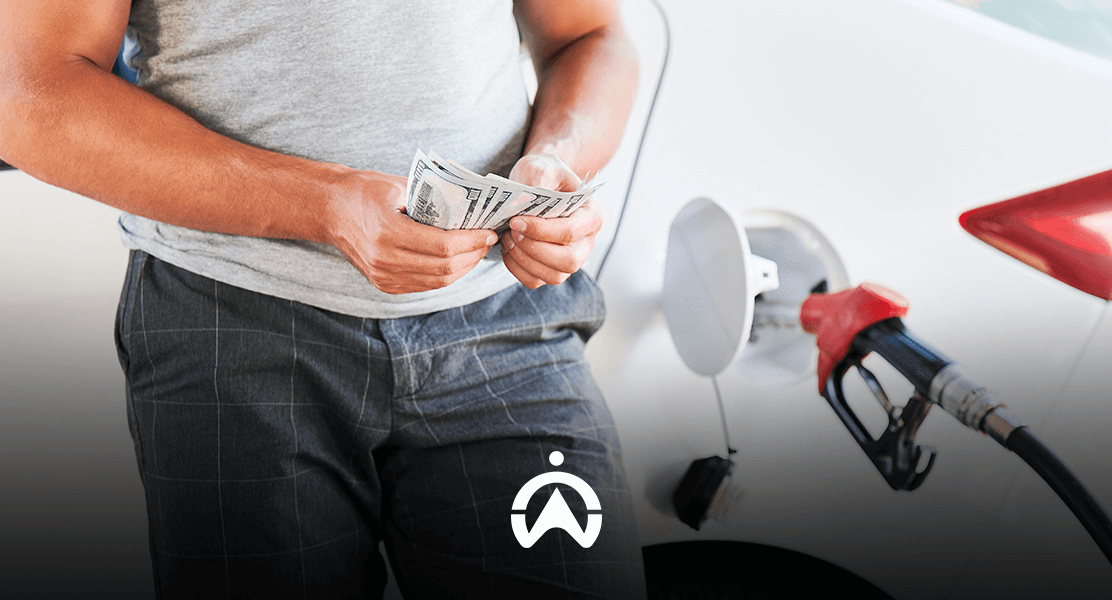
The cost of fuel is a constant worry for many vehicle owners, especially with frequent price fluctuations. Planning for this expense has brought its challenges, making it hard to keep fuel costs down. Many vehicle owners are feeling the pinch and are desperately looking for ways to save fuel.
In this article, we’ll explore ten simple ways to start saving fuel and how Cartrack Mozambique can help you monitor your fuel consumption.
Let’s get started.
In this article, you will:
Discover 10 ways to save fuel
Learn how driving habits and vehicle maintenance affect fuel consumption
Find out how Cartrack’s mobile app can help you save fuel
10 Ways to Save Fuel
Changing the way you look after your vehicle is an effective way to save fuel. This can range from adopting new driving habits to regular vehicle services. Learn these ways to make wasted fuel a thing of the past.
Here are ten effective ways to save fuel:
1. Adopt Efficient Driving Habits
Saving fuel starts with how you drive your vehicle. As a vehicle’s speed increases, the car experiences more air resistance. This is because the force of the resistance makes the engine work harder to accelerate, which uses more fuel. By driving at a more moderate speed, usually between 65-90 km/h, your vehicle will experience less resistance as it moves.
Other practices include avoiding congested roads that lead to excessive idling and keeping the engine at around 3000 rpm while driving. Another efficient driving habit to adopt is avoiding frequent lane changes and sudden stops in slow traffic.
2. Use engine braking and drive in higher gears
Engine braking and driving in high gears are underused methods that many drivers do not consider when trying to save fuel. Engine braking means taking your foot off the accelerator and letting the engine slow the vehicle down. This technique can be used instead of the brake when you are approaching a traffic light or stop sign. Fuel consumption is lower because the engine is able to slow the vehicle, requiring less braking force to stop it..
3. Choose fuel-efficient vehicles
If you are thinking of buying a new car, the ideal choice is a fuel-efficient model, such as vehicles with small-capacity engines or hybrid cars. These vehicles are designed to deliver an excellent driving experience while using less fuel.
When looking for a fuel-efficient vehicle, it is important to consider a few factors, such as the consumption rate, engine size and weight. Lighter cars with smaller engines use less fuel, maximising savings over time.
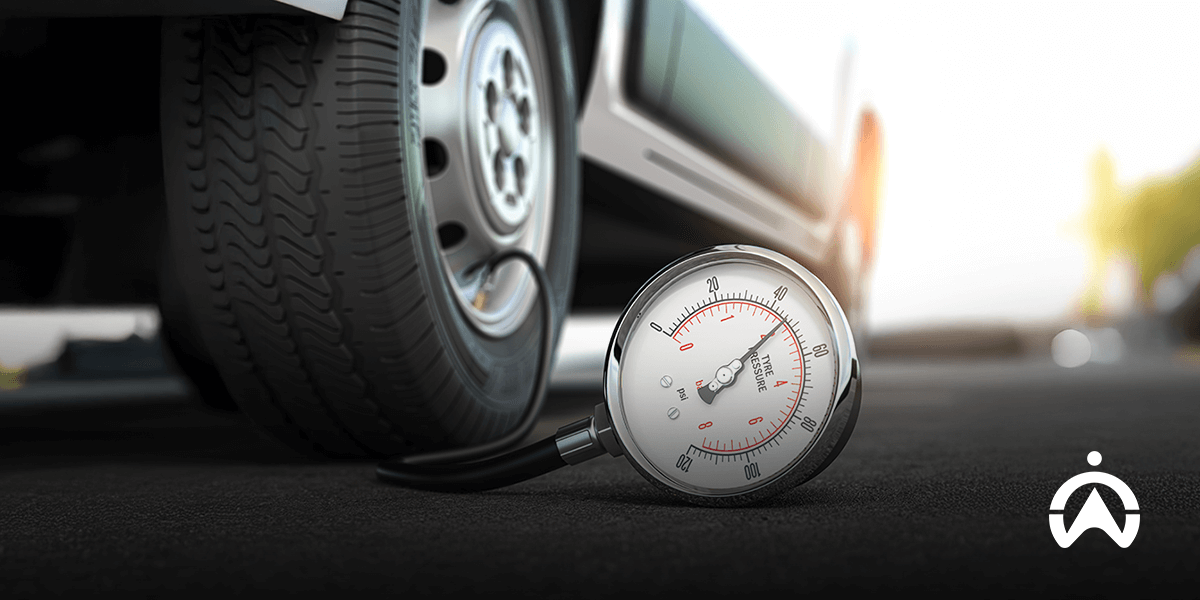
Under-inflated tyres increase the car’s rolling resistance, forcing the engine to work harder and use more fuel. This also causes uneven tread wear on the edges of the tyres, which means they wear out sooner.
Over-inflated tyres have a negative effect on the vehicle’s handling, making the drive unstable, causing uneven tread wear and increasing fuel consumption. In addition, uneven wear reduces the tyre’s ability to stay in contact with the road, which can be dangerous at high speeds.
To save fuel and reduce wear and tear on your vehicle, it is recommended that you check your tyre pressure at least once a month.
5. Keep the windows closed at high speeds
I know what you’re thinking: driving with the window down at high speed is invigorating; however, it significantly affects fuel consumption. This usually happens when the vehicle goes above 80 km/h, the speed at which air resistance is greater. To save fuel, consider keeping the windows closed and using the vehicle’s ventilation system.
6. Avoid heavy loads
Unnecessary weight in your vehicle makes the engine work harder, increasing fuel consumption. This is especially true on long journeys. Another load that adds extra weight and uses more fuel is a roof box. Roof racks increase air resistance and reduce the vehicle’s aerodynamics at high speeds.
For better fuel economy and a smoother drive, consider packing light or storing heavy items inside the vehicle.
7. Use quality fuel
In Mozambique, each fuel affects a vehicle’s performance and fuel efficiency differently.
New-model vehicles with the latest technology require high-octane fuel, such as 95 octane, as it helps maintain the vehicle’s performance and fuel efficiency. Using lower-octane fuel can reduce the fuel efficiency of these vehicles and damage the engine or emission control systems.
8. Use cruise control on highways
Cruise control is an added feature found in most modern vehicles. As well as offering comfort and convenience when driving, it also helps save fuel. Cruise control helps the driver maintain a constant speed, allowing them to concentrate on steering alone. This makes for a smooth journey with fewer manoeuvres. Cruise control minimises fuel consumption by removing the need for constant acceleration and deceleration, which use more fuel.
9. Make the most of loyalty programmes
A great way to save fuel these days is to join the loyalty programmes offered by filling stations, banks and retailers. You earn points every time you fill up. These points can be accumulated over time and used to buy fuel or get discounts. Consider choosing a programme that suits your needs and lets you fill up at a filling station near you.
10. Combine trips
To save fuel day to day, consider combining errands and making fewer trips. Plan everything you need to do in advance and do it all in a single trip. This way you reduce the distance travelled, which not only saves valuable time but also cuts fuel consumption.
Another effective way to reduce trips is to set up a lift club. Each person in the group can take a turn driving for one week a month, saving the equivalent of up to three weeks of the fuel you would use if you were driving alone.
By putting these ten tips into practice, you can significantly reduce wasted fuel and save on fuel costs.
How Cartrack’s mobile app can help you save fuel
Now that you know the 10 ways to save fuel, let’s discuss how Cartrack’s mobile app can help you monitor your fuel consumption.
Here are some of the app’s reports that will help you save fuel:
Vehicle speed monitoring
Constant increases in speed require the engine to work harder to keep it up. The map in the Cartrack app shows every point where you were speeding and how fast you were driving. This information helps you identify this behaviour so that you can adjust the way you drive and use less fuel.
Reducing harsh braking
Harsh braking at high speed makes your vehicle use more fuel than necessary. This is because, after slowing down, the transmission has to shift down to regain the lost momentum. The Cartrack app records every instance of harsh braking, letting the driver know how often this mistake occurs.
Avoiding idle time
Long periods of idling in traffic jams use fuel unnecessarily. The Cartrack app monitors your idle time during a trip, providing valuable information that shows where and when congestion is heaviest. This lets you identify less congested routes and plan smoother journeys.
Planning efficient routes
Every time you drive your vehicle, the trip information is saved in the app’s history. This history gives details of the route taken, showing the distance and the fuel consumption. This is an effective way to plan each journey. You may use different routes to get to work and want to know which one uses the least fuel. You can use the report history for the different routes to look at your previous trips. It will show you how long the trip took, as well as the speeds you were able to reach, so you can compare them and see which is the most fuel-efficient.
Start saving fuel today with Cartrack!
Fuel costs don’t have to be a burden. By taking advantage of the advanced technology in Cartrack’s mobile app, you can reduce your fuel consumption and save money quickly.
Cartrack is committed to helping drivers drive smarter and more efficiently. Our mobile app isn’t just for tracking your vehicle; it provides practical information that lets you make fuel-saving decisions every day.
Why wait? Start applying these tips and let Cartrack help you save fuel. Contact us today to find out more.
Other articles for you
Food Transport Facts and What You Need to Know When Managing Your Fleet
Blogs
11 minute read •
Important facts about food transport in fleet management: keeping perishable goods fresh in transit directly affects your profits — and mixing food loads is a serious mistake. Other facts include the food distribution regulations in force in Mozambique, the challenges of electricity supply and the […]
7 Ways to Increase the Efficiency of Your Construction Fleet
Blogs
12 minute read •
The seven main ways to increase the efficiency of your construction fleet are: Use telematics and GPS tracking to keep everything under control. Keep vehicle maintenance up to date.. Implement a fuel monitoring solution. Offer your drivers ongoing training. Plan better routes between sites. Match the size of the fleet to […]
How to Manage Your Light Commercial Vehicles (LCVs) Effectively with Fleet Management Software
Blogs
12 minute read •
To manage your light commercial vehicles effectively with fleet software, you should invest in a platform that directly addresses the biggest challenges LCVs face. LCV fleets deal with unique vulnerabilities because of their frequent trips. Wear and tear, wasted fuel, unexpected downtime and more are some of the main concerns. LCVs are […]
 South Africa
 Botswana
 Kenya
 Malawi
 Namibia
 Nigeria
 Swaziland
 Tanzania
 Zimbabwe
 Hong Kong
 Indonesia
 Singapore
 Malaysia
 Philippines
 Thailand
 New Zealand
 Vietnam
 Poland
 Portugal
 Spain
 United Arab Emirates

 PT