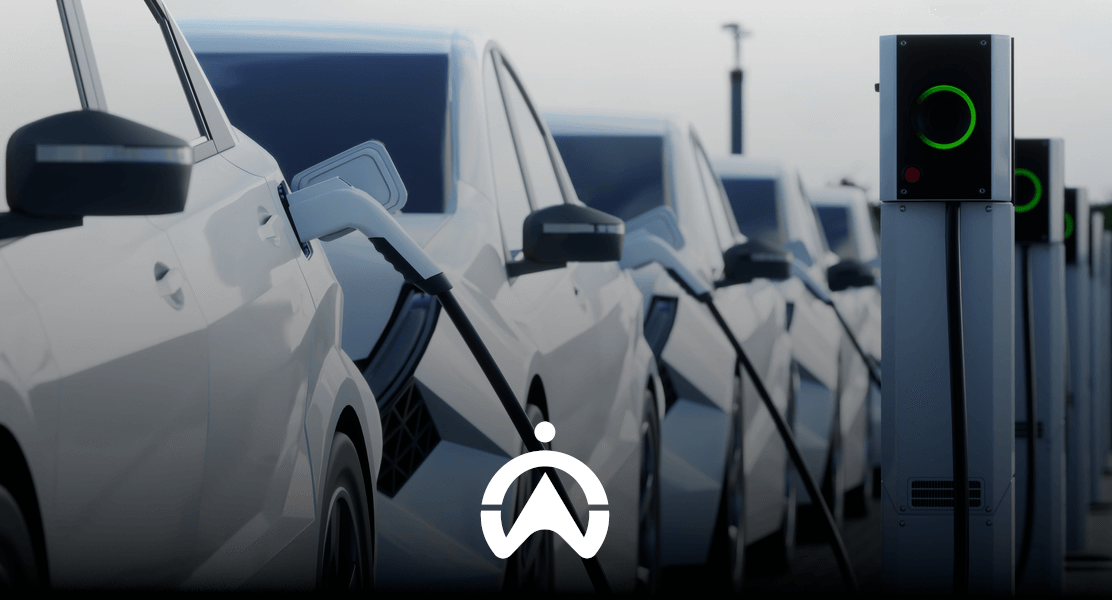
Going green is a hot topic on everyone's lips right now. Is it possible to create a more sustainable fleet by looking at the pros and cons of electric vehicles?
Get the latest statistics and insights on EVs, how they work, why they are the better option for the environment and how Cartrack's fleet management platform can help you optimise your green fleet mission.
In this article, you will:
- Learn the difference between ICE vehicles and EVs
- Get the latest EV-related statistics
- Discover the pros and cons of electric vehicles
- Get answers to the most frequently asked questions about EVs
- Find out how Cartrack can optimise your EV-based fleet
The power of electricity: unveiling electric vehicles
Electric vehicles have taken the world by storm, offering a range of benefits that internal combustion engine vehicles simply can't. First, though, it's crucial to understand exactly how these two types of vehicle differ in key areas and why that matters.
Electric vs ICE: know the difference
There are more differences than similarities between EVs and ICE vehicles when it comes to their inner workings. They look relatively alike on the outside, with a bonnet, boot, seats and steering wheel. But what goes on under that bonnet is where the main difference lies.
ICE is short for internal combustion engine, as these vehicles use fossil fuels such as petrol or diesel to power their engines. EVs are completely different. Instead of powering an engine with fuel, EVs use electricity from a rechargeable battery to power an electric motor. This key difference, along with several others, plays an important role in influencing modern society's trend of switching to EVs. These include:
- Emissions and compliance
- Maintenance
- Range
- Cost
- Noise
- Efficiency
Whether you're looking to buy a personal vehicle or acquire replacement vehicles for your fleet, factors such as cost, maintenance, efficiency and range probably play a significant role in your personal choice of vehicle type.
The pros and cons of EVs: what you need to know
What are the biggest positives and negatives of electric vehicles? Get familiar with the good and the bad to develop a balanced perspective.
The perks
- Reduced emissions
One of the main reasons electric vehicles are becoming so prevalent on roads around the world is that they offer a viable countermeasure against climate change, with notably fewer harmful emissions.
- Energy efficiency
When it comes to converting electricity or petrol into power, the conversion rate of electricity is much higher, making it more energy efficient. While petrol vehicles convert only around 12% – 30% of the energy stored in petrol into power, EVs convert more than 77% of the energy stored in the grid into vehicle power, making them the obvious option when it comes to choosing an energy-efficient vehicle.
- Lower fuel and basic maintenance costs
Did we say lower fuel costs? Let's rephrase that: EVs don't use fossil fuels, which means you won't be emptying your bank account at a petrol station every few weeks. Electric vehicles don't use other fluids such as engine oil either and, thanks to regenerative braking, brake wear is significantly reduced.
- A quieter ride with instant torque
Powered by a battery instead of an engine, electric vehicles make very little noise, creating an excellent ride experience. An EV's torque is generated by magnetic fields and an electric current, rather than by the combustion of gas and the rotation of the crankshaft, which takes longer.For context, let's compare the Tesla Model 3 Performance with the high-performance Audi RS3. While the Audi's 0-60 mph acceleration is just under four seconds, the Tesla beats that performance with an impressive 3.1 seconds.
The downsides
- The environmental impact of production
Although driving an EV produces minimal harmful emissions, there are debates about the impact its manufacturing process has on the environment. The electric vehicle's battery requires lithium mining, which in itself causes carbon emissions, habitat destruction and pollution. However, climate change activists see this as a necessary evil to achieve the greater good of net zero emissions.
- EV power supply
One of the biggest problems facing electric vehicle drivers is the limited power supply, also known as insufficient charging stations. Just as the fuel tanks of ICE vehicles eventually run empty and need to be refilled, an electric vehicle's battery must be charged to keep travelling. If there aren't enough charging stations, the battery can run flat with no option to recharge and the driver can be left stranded.
- They are expensive
Since EVs are not yet produced on the scale of ICE vehicles, their overall production costs are still high. In addition, manufacturing lithium-ion batteries and electric motors is far more expensive than producing an internal combustion engine. As technology progresses, this could soon change, making EVs more affordable before long.
- Limited range
An electric vehicle's range depends on the make and model. So, while some EVs have a decent range, others need to be recharged frequently, which makes them less practical for long-distance trips. In the end, though, a petrol or diesel vehicle still offers a little more, and there are far more options for filling up along the way, unlike EVs.
Discover the most interesting EV statistics right now
There's nothing like good old statistics to give you some insight into a topic you may not be one hundred per cent familiar with. In terms of market growth, models and statistics by geographic location, there is a lot to learn about EVs.
Market growth
- In almost a decade, the use and popularity of EVs have seen incredible growth. The BNEF Electric Vehicle Outlook 2023 report recorded 20 million EVs on the road in June 2022, after recording just over 1 million in 2015.
- In 2022, 14% of all new vehicles sold globally were electric, a significant increase from around 9% in 2021 and less than 5% in 2020.
- By 2024, 25% of all new passenger car registrations are expected to be electric, exceeding 17 million units in sales worldwide.
Models
- The Tesla Model Y was the world's most popular plug-in electric vehicle, with worldwide unit sales of around 771,300 units in 2022. However, the Tesla Model 3 is the most sought-after EV, with 1,852,356 monthly global searches.
- The BYD Atto 3 ranks third among the most popular EVs in Australia, with 3,216 units sold in 2023.
- The Nissan Leaf was the world's best-selling electric car from 2011 to 2014 and in 2016
Country-based EV statistics
- In 2020, Norway had 81.0 electric vehicles per 1,000 residents, the highest figure in the world. The country also has the world's largest plug-in EV fleet per capita. In 2021, 15.5% of all vehicles in Norway were fully electric, spectacularly beating the EU average of 0.8%.
- In 2020, China took first place as the world's largest electric vehicle market. The International Energy Agency's Global EV Outlook 2023 also reports that 40% of global EV sales are made in China
Which vehicle brands make electric vehicles?
With the electric vehicle landscape developing at a record pace, you may be surprised at how many electric car companies exist today. Many of us are only familiar with trusted household brands, such as those mentioned above, but there is a whole new world of electric vehicle brands ready to explore. Here is a mix of new and trusted brands that make the most popular EV models right now.
- Tesla
- BYD
- Rivian
- Kia/Hyundai
- General Motors
- Lucid
- Ford
- Mercedes-Benz
- BMW
- Fiat
- Alfa Romeo
- Ferrari
- Toyota
Other notable brands involved in the manufacture and development of electric batteries, charging stations and electric vehicle technology include Volta Charging, Electra Vehicles, WiTricity and Proterra Inc.
The origin and history of EVs
Looking at the ultra-modern exterior design of electric vehicles, it seems impossible to imagine that these machines date back almost two centuries. The first prototype EV models were created in 1835, although in the late 19th century and for most of the 20th century ICE vehicles took centre stage, with mass production of internal combustion engines being cheaper at the time.
Here is a fascinating look at how electric vehicles came about:
- The first version of a full-size EV was developed in 1832.
- The first production electric car was built by Thomas Parker, using a high-capacity rechargeable battery.
- In 1996, General Motors created one of the best-known electric vehicles of the time, the EV1.
- EVs finally took off in the 21st century because of the need to reduce CO2 emissions
Today, Tesla is one of the most popular electric vehicle brands, with household names such as Toyota, Ford, BMW and Nissan also boasting their own electric vehicle models.
The environmental need for electric vehicles
Although the electric vehicle was invented almost 200 years ago, the need for an alternative to ICE vehicles only peaked relatively recently. Climate change plays a significant role in global politics and in the need to preserve the planet.
Climate change influences energy efficiency
The impact of climate change on energy efficiency is undeniable. As our planet warms, energy systems become increasingly vulnerable, highlighting the critical role of energy efficiency in mitigating climate change. By reducing energy consumption and emissions, we can ease the pressure on the environment and tackle the challenges posed by climate change.
The US Environmental Protection Agency emphasises this link, recognising energy efficiency as “the most cost-effective way to tackle climate change”. In most cases, efficiency measures are proven to reduce energy waste, save money and make it easier to expand renewable energy sources. This makes energy efficiency a key strategy for tackling climate change and its wider impacts on the environment, the economy and human health.
What is Net Zero?
Imagine a world where the greenhouse gases we emit are equal to those we remove, creating a stable balance. That is the essence of net zero carbon, a crucial goal in the fight against climate change. It is about reducing our greenhouse gas emissions to as close to zero as possible. This involves two main strategies:
Reducing emissions: We need to drastically reduce the amount of greenhouse gases we release into the atmosphere. This means transitioning away from fossil fuels, investing in energy efficiency and adopting sustainable practices in every sector.
Removing emissions: Even with significant reductions, some emissions will remain. Net Zero recognises this and seeks to “balance the books” by removing these remaining emissions from the atmosphere. Approaches such as tree planting and carbon capture are exploring ways to achieve this.
Achieving carbon neutrality is a global challenge that is gaining momentum. The United Kingdom has set an ambitious target of reaching net zero emissions by 2050, and many other countries are following suit. This collective action shows a growing understanding of the urgency of adopting more energy-efficient ways of travelling.
Can EVs reduce global warming?
According to the United Nations, oil, gas and fossil fuels are the biggest contributors to global carbon emissions, accounting for 75% of greenhouse gas emissions and 90% of CO2 emissions worldwide. ICE vehicles run mainly on fossil fuels, which makes them one of the prime suspects, while EVs produce notably fewer harmful emissions.
Based on this fact alone, there is no doubt that EVs have the potential to reduce global warming or climate change and make the world a greener place. The more electric vehicles on the road, the fewer greenhouse gas emissions and the less harmful air pollution, helping us breathe easily and keep the world clean.

The most frequently asked questions about electric vehicles
As EVs haven't been on the road for that long, some questions are bound to come up. Here are some of the most interesting frequently asked questions about EVs.
- Do electric cars have engines?
Although we are used to associating a vehicle's ability to move with an engine, an EV's design is based on different technology and uses a rechargeable battery instead. As there is no internal combustion engine, there is also no fuel tank, fuel line or fuel pump, and the EV emits no exhaust gases from a tailpipe – all crucial components needed for a traditional vehicle engine.
- What are the biggest problems with electric cars?
Nothing in life is perfect and, although the EV comes pretty close, it still has a few problems. You never know, these problems may be solved in the future as technological development advances, but for now, it's good to be familiar with the following shortcomings, such as the lack of charging infrastructure, the very real issue of range anxiety and the fact that it takes some time to fully charge an EV, especially in cold temperatures.
- Are EVs and hybrid cars the same?
Electric vehicles and hybrid cars are not the same thing. Yes, while it's easy to tell ICE vehicles and EVs apart, things get a little more complex when it comes to EVs versus hybrids. Don't worry, here is a summary that will quickly bring you up to speed.- EV (Electric Vehicle): Powered exclusively by an electric motor and battery, EVs offer a clean and quiet driving experience. The charging infrastructure they depend on, however, is still developing in some areas.- EV (Electric Vehicle): Powered exclusively by an electric motor and battery, EVs offer a clean and quiet driving experience. The charging infrastructure they depend on, however, is still developing in some areas.
– FCEV (Fuel Cell Electric Vehicle): These vehicles use hydrogen fuel cells to generate electricity, resulting in zero tailpipe emissions and water vapour as the only by-product. Although highly eco-friendly, hydrogen refuelling infrastructure is currently limited.
– PHEV (Plug-in Hybrid Electric Vehicle): Combining an electric motor with a petrol engine, PHEVs offer electric driving for shorter distances and the flexibility of a petrol engine for longer trips. They can be charged externally, reducing reliance on petrol stations.
Basically, there are two types of hybrid and one fully electric vehicle. The main difference is that EVs are powered exclusively by a battery and electric motor and don't use an alternative fuel source.
- Where does the EV's engine sound come from?
EVs don't have engines, so where does that consistent, low-key hum actually come from? The engine sound isn't generated by any part of the vehicle's mechanics – it comes from a sound file added to the vehicle to provide the sound we have come to associate with a moving vehicle.The Hyundai Ioniq 5 N, for example, has ten internal and external speakers as part of a system that generates fake exhaust sounds to mimic the experience of driving an ICE vehicle.
- What type of batteries are used in EVs?
The lithium-ion battery is the best-known option for electric vehicles. Still, other types of battery are also successfully powering electric vehicles today:- Nickel-metal hydride batteries (more common in hybrid vehicles)
– Lead-acid batteries
– Ultracapacitors
- Do EV batteries pose any safety risk?
When it comes to fire risks, EV batteries are generally considered safer than internal combustion engines. However, it's crucial to know that lithium-ion batteries are highly flammable and that electric vehicle batteries should under no circumstances be disconnected, exposed to extreme conditions or damaged. Continuous improvements are being made to ensure greater battery safety for electric vehicle users as electric vehicle technology advances.
- What are the pros and cons of Tesla?Beyond the general pros and cons of EVs, Teslas also have a few that are unique to the brand:- Ever heard of Sentry Mode? This is Tesla's version of a home alarm system, giving the driver a live view of what is happening around the vehicle, accessible in the Tesla app. It's definitely a big plus in terms of safety
– Teslas are not immune to problems that may require expensive repairs, which affects the insurance premium you will have to pay if you decide to get one. Repair costs combined with high premiums may make you think twice before buying.
Even if you don't plan to buy a Tesla any time soon, knowing about the features, technology and vehicle types of electric vehicles can help you make smart decisions in the future, with a booming electric vehicle market becoming a crucial component in reaching Net Zero around the world.
Are EVs right for your fleet? 3 reasons why you should consider going green
Since EVs became popular, they have also been introduced into fleets across large parts of the world. Here is why the transition to EVs brings some notable advantages for your business.
- Eliminate fuel costs
For fleet operators, “filling up” often translates into a major headache made up of fluctuating fuel prices and ever-growing expenses. Budget control remains a constant battle, and the transition to EVs offers a promising solution for minimising fuel spend.
- Reduced fleet maintenance
Forget just cutting fuel costs – electric vehicles (EVs) revolutionise fleet maintenance. Fewer fluids mean less downtime and lower costs, especially for large fleets. In addition, real-time data and proactive maintenance keep your electric vehicles running, maximising uptime and driving your business's growth – all while going green. It's not just a fuel swap; it's a strategic shift towards efficiency and cost-effectiveness.
- Greater vehicle efficiency
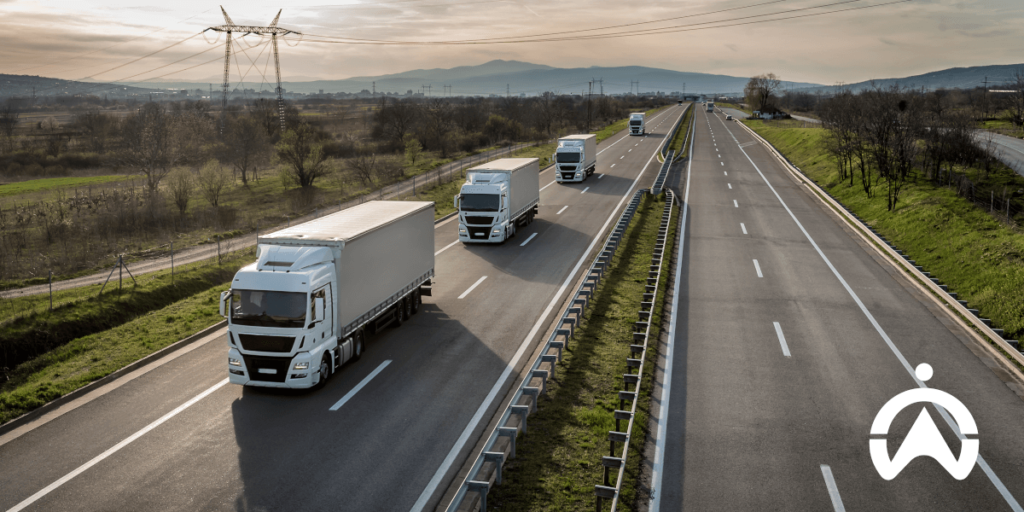
Electric vehicles (EVs) have a trump card for transport, logistics and trucking: instant torque. Although diesel engines have power, they can't match the immediate acceleration from a standstill that EVs offer (check CarThrottle to see the science).This translates into big benefits for your fleet. Large trucks can reach cruising speeds faster, requiring less initial energy, leading to significant savings in charging costs. Whether carrying passengers or cargo, instant torque is synonymous with efficiency and savings.
Cartrack Mozambique can help you develop a greener fleet
Our industry-leading fleet management technology is constantly evolving, and we are ready for the future with features that can help you use and optimise the roll-out of EVs in your fleet.
- Be proactive about EV maintenance and optimise your savings
The fleet platform Cartrack Mozambique lets you follow a strict predictive maintenance schedule, which prevents unnecessary vehicle breakdowns, repairs and downtime, whether you have ICE vehicles, EVs or a mix of both. Following a comprehensive maintenance routine can go a long way towards reducing operating costs, improving your ability to budget and freeing up more money to spend on other fleet-related needs.For example, instead of engine maintenance, it's crucial to keep an eye on the health and lifespan of an EV's battery, since battery replacements are costly. Dedicated telematics data at your fingertips gives you up-to-date information on the health of your EV. The fleet management platform also offers a range of useful insights, providing accurate data on vehicle and engine status and driving behaviour, while the dedicated MiFleet platform helps you manage all fleet-related costs, including registration and licensing fees, promoting compliance and helping you avoid late payment fines.
- Never worry about range anxiety or vehicle downtime
Although it's quick to fill a petrol or diesel tank, it takes some time to charge an EV and, as we found out earlier, extreme temperatures can also unnecessarily prolong these charging times. In a fleet context, charging time equals vehicle downtime, significantly impacting fleet operations.The fleet management platform from Cartrack Mozambique can help you make up for lost time by optimising every other aspect of your operation with advanced route planning and optimisation tools that also allow you to plan routes around crucial charging stations. In addition, you can schedule charging times into your fleet's workflow, monitor your EVs' battery life in real time and make sure you are always aware of every range status so that a fleet car isn't left stranded with a flat battery.
Contact us today to optimise your electric vehicle fleet management needs
If you're ready to start adding EVs to your fleet, we're ready to make your greener fleet system the best it can be. Contact Cartrack Mozambique and choose the most sustainable fleet management option.
 South Africa
 Botswana
 Kenya
 Malawi
 Namibia
 Nigeria
 Swaziland
 Tanzania
 Zimbabwe
 Hong Kong
 Indonesia
 Singapore
 Malaysia
 Philippines
 Thailand
 New Zealand
 Vietnam
 Poland
 Portugal
 Spain
 United Arab Emirates

 PT