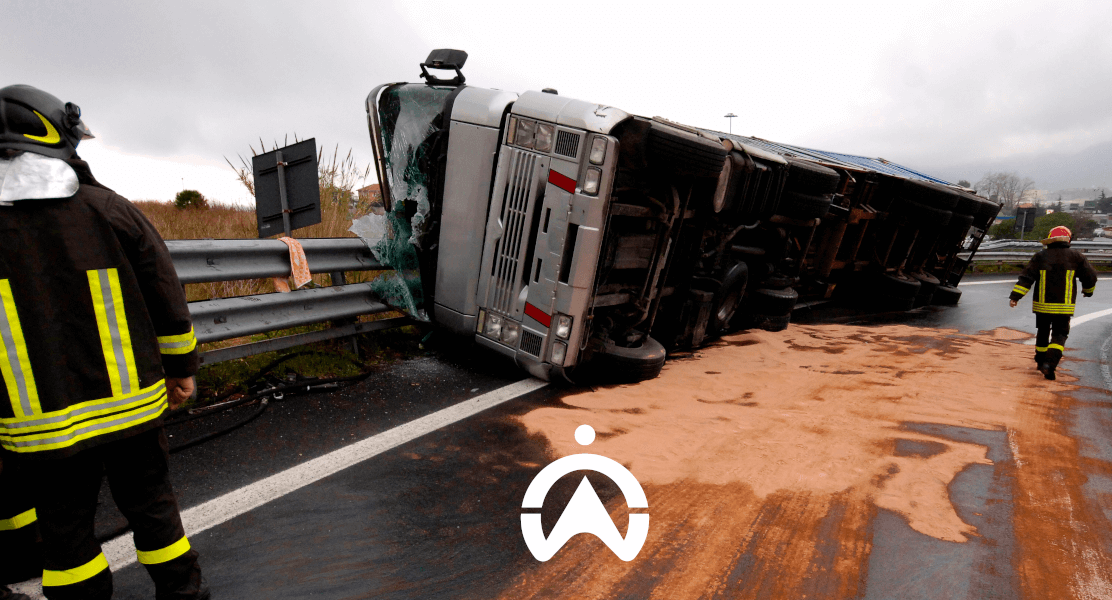
After a vehicle accident occurs, what happens?
At first glance, it's chaos. Cars have crashed into one another, car parts are scattered and broken glass is strewn everywhere.
As the minutes pass, emergency crews begin to arrive, paramedics help the injured drivers, the police move bystanders back to a safe distance and tow trucks arrive to clear the wreckage.
Imagine that one of the victims involved in the accident is one of your fleet's drivers; how does this affect your driver and your business?
In this article, you will:
- Explore fleet accident management and how it protects your drivers and vehicles
- Get to know the factors that contribute to fleet accidents and how to address them
- Learn the benefits of implementing a robust fleet accident management programme
- Explore the essential steps for fleet accident managers to handle incidents efficiently
- Find out how safety for fleets from Cartrack Mozambique can improve fleet accident management
- Find answers to frequently asked questions about fleet accidents
What is fleet accident management?
Fleet accident management (FAM) is the structured process of handling incidents involving fleet vehicles. It covers everything from accident response to the prompt management of repairs and insurance claims.
Just as unexpected detours or unforeseen hazards can disrupt your journey, accidents can potentially derail your entire operation. This is where fleet accident management (FAM) comes in. It navigates the aftermath of an accident while proactively mitigating future risks.
It's like having a safety net for your drivers and vehicles, ensuring drivers have a better chance of walking away unharmed and vehicles suffer minimal damage.
What causes fleet accidents?
Fleet accidents can result from various factors, such as driver errors, distractions, road conditions and weather, to name a few.
Let's break them down:
- Driver errors
Speeding, harsh braking or cornering and tired driving have dangerous consequences for the driver and other drivers on the road, often causing accidents.
- Distractions
Using your phone while driving or taking your eyes off the road can contribute to accidents. It takes only a few seconds of distraction to miss a sudden stop by the car in front or a pothole, causing you to swerve and hit another car.
- Road conditions
Uneven road surfaces, potholes or slippery surfaces increase the risk of accidents. Imagine a driver navigating poorly maintained roads, trying to cope with unexpected challenges.
- Weather conditions
Rain, snow or fog make driving more difficult and can badly affect visibility on the road. It is advisable to adapt your speed and distance to manoeuvre with safety in challenging weather conditions during these events.
- Regular vehicle maintenance
Faulty brakes or worn tyres can cause accidents. A well-maintained vehicle travels the roads smoothly, reducing the risk of mechanical problems. Understanding these factors and implementing safety measures, including fleet accident management (FAM), is vital. It is about fostering a culture of safety, where drivers use their vehicles responsibly to reduce the risk of accidents and ensure safer journeys.
Why fleet accident management matters
FAM is generally seen as a holistic approach to safety and efficiency. Without proper safety measures to prepare for the chaos of an accident and the events that follow, such as delays, financial losses, insurance claims and even harm to drivers and others, it can become too difficult to manage and may cause the business financial losses, loss of reputation, loss of vehicle operation and even loss of drivers' trust in the company.
Fleet accident management (FAM) protects against these disruptions and promotes a safer, more efficient way of mitigating accidents.
Benefits of fleet accident management
Fleet accident management (FAM) is important for several reasons. For example, FAM affects two of the departments that carry the most responsibility in the business: safety and finance. This means the benefits of fleet accident management are directly linked to crucial aspects of the business.
Here is why FAM is more than just an “add-on” and why it should be an integral part of your fleet management strategy:
- Fewer accidents and lower costs
With a solid fleet accident management programme, you can expect fewer accidents, which means lower insurance costs, less vehicle damage and fewer injuries to your team. Proactive measures such as driver training, promoting safer driving habits and addressing potential hazards early all play a part in preventing accidents.
- Driver safety and wellbeing
Prioritising safety not only keeps drivers safe, but also boosts morale and reduces turnover rates. The comprehensive training support of FAM software helps create a safety-focused work culture.
- Compliance and reputation protection
Ensuring compliance with safety standards not only minimises legal risks, but also improves your company's reputation. By demonstrating a commitment to safety through a strong FAM programme, you can improve public perception.
- Informed decision-making through data
Analysing accident data provides valuable insights for targeted interventions and continuous improvement. Identifying root causes and benchmarking performance can support informed decisions about driver training and vehicle maintenance, boosting fleet safety and efficiency.
- Reduce downtime and costs
Responding promptly to accidents and recovering vehicles efficiently keeps your fleet running smoothly, minimising disruptions and the associated costs. With fewer accidents, you also benefit from significant savings through lower insurance premiums.
Essential steps for fleet accident managers
An accident is every fleet manager's worst nightmare. It is an unfortunate reality, but one that can have a significant impact on your fleet's operations and your drivers' wellbeing. By being proactive and implementing FAM steps, you can minimise the impact on your drivers and operations.
Here is how effective fleet accident management cuts through the chaos and gets your drivers back on the road:
Step 1: immediate response
Ensure the safety of everyone involved, secure the accident scene and respond promptly to the situation.
Step 2: comprehensive documentation
Collect crucial information such as photos, eyewitness accounts and police reports for insurance claims and legal purposes.
Step 3: Vehicle repair and reducing downtime
Coordinate vehicle repairs, arrange towing, obtain repair estimates and schedule repairs with approved suppliers to minimise downtime.
Step 4: Insurance claims management:
Communicate with insurers, provide the necessary documentation and push for fair and timely claim settlements.
Step 5: Accident data analysis and prevention:
Analyse accident data to identify trends, implement preventive measures and offer drivers training and support to improve safety awareness and reduce future risks.
By adopting these steps, fleet accident management can help you get your drivers and your business out of a tricky situation. Remember, it's not just about responding – it's about preventing road accidents and protecting your fleet.
Planning for the future: solutions for fleet accident management
The future of fleet management lies in proactive planning, and accident prevention is at the heart of this approach. Implementing strong accident prevention measures isn't just about protecting your bottom line; it's about protecting your drivers, the public and your company's reputation.
FAM is a multifaceted approach that draws on several preventive solutions to work smoothly. Let's unpack some of them:
- Technology-based solutions
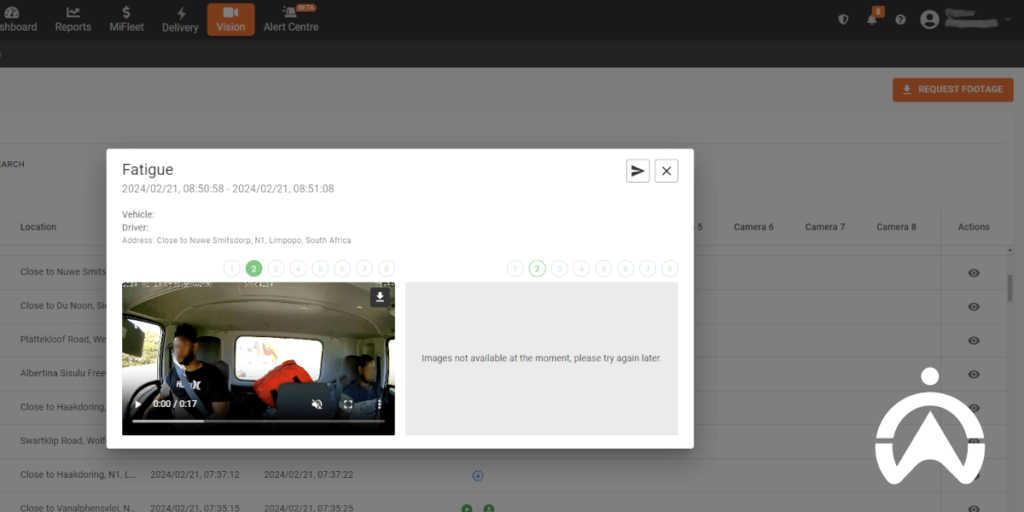
Telematics: track driver behaviour in real time, monitor fatigue levels and identify other risky behaviours, such as speeding, to gain valuable insights and guide future driver training.Advanced driver assistance systems (ADAS): equip vehicles with features such as lane departure warning, automatic emergency braking and blind spot monitoring to help drivers avoid collisions.
Artificial intelligence (AI): Use AI-powered systems to analyse driving patterns, predict potential accidents and recommend personalised safety interventions.
Route optimisation: efficient routes minimise unnecessary driving time and exposure to high-risk areas.
- Driver training and skills development
Defensive driving courses: Equip your drivers with defensive driving skills and safety knowledge, such as hazard perception, skid control and emergency manoeuvres.Fatigue management programmes: Educate drivers about the dangers of fatigued driving and implement policies to encourage rest breaks and healthy sleep habits.
Preventing distracted driving: Implement clear policies and technology-based solutions to combat the dangers of phone use, texting and other distractions while driving.
- Vehicle maintenance and safety
Regular inspections and preventive maintenance: Make sure all vehicles are in the best condition to minimise mechanical failures and breakdowns. Safety technology upgrades: Consider investing in features such as automatic lighting, reversing cameras and electronic stability control for greater safety.
Ergonomic support: Make sure the driver's seat and controls are properly adjusted to provide comfort and minimise fatigue, especially on longer journeys.
- Smart route planning
Choose safe and efficient routes: Avoid heavy traffic areas, construction zones and dangerous weather conditions wherever possible. Plan realistic journey times: Avoid pressuring drivers to exceed speed limits or work excessive hours.
Use route optimisation software: optimise routes for efficiency and safety, considering factors such as traffic congestion, weather conditions and road closures.
- Learn from the data
Analyse accident data: identify trends and contributing factors to understand where and why accidents occur. Benchmark your performance: compare your safety metrics with industry standards to identify areas that need improvement.
Use data to inform your strategies: Continuously adapt and improve your accident prevention measures based on data-driven insights.
How Cartrack Mozambique's safety features can protect your drivers, fleet and business
In the realm of fleet safety and accident management, Cartrack Mozambique emerges as the right choice for businesses seeking reliability and efficiency. Cartrack is a global leader in technology for fleet management, offering reliable safety solutions that can contribute positively to a fleet's accident management measures.
Cartrack offers a comprehensive set of safety features designed specifically to help fleet businesses reduce accidents and increase driver safety.
- AI-powered cameras
Analyse the interior and exterior environment and detect distracted driver behaviour, such as phone use or drowsiness, and unsafe manoeuvres, such as lane departure or unauthorised use, in real time, accompanied by audio alerts to help prevent accidents quickly.
- Maintenance reminders
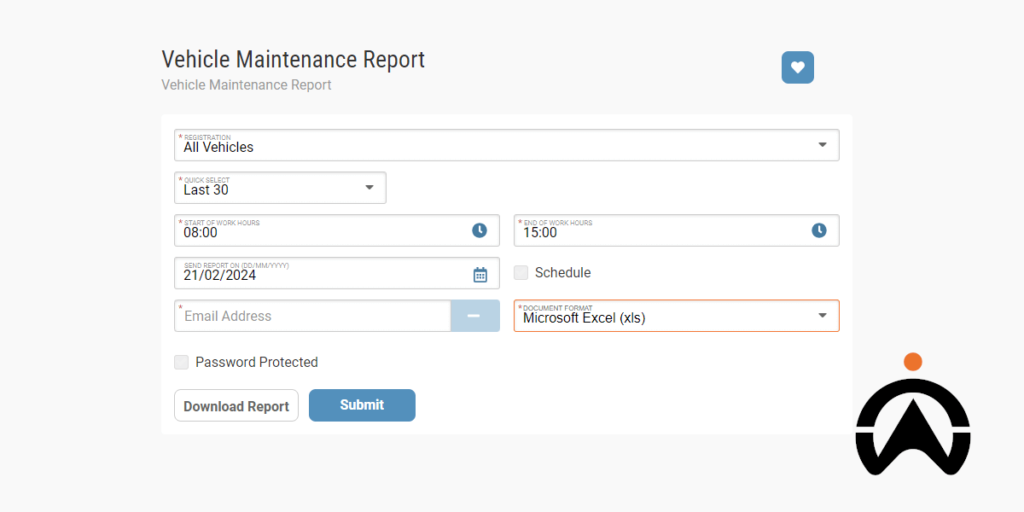
Stay ahead of potential breakdowns with maintenance reminders from Cartrack Mozambique. Receive timely notifications about scheduled maintenance tasks, ensuring your vehicles are always in the best condition and minimising the risk of mechanical failures.
- Monitoring driver behaviour
Cartrack's telematics system monitors driving behaviour in real time, alerting managers to risky driving habits such as speeding, harsh braking and sudden acceleration.
- Driver scorecards
Empower your fleet. Use driver scorecards and reports with live streaming and recorded camera footage to educate drivers on where safer driving practices need to be put in place.
- Crash detection
In the event of an accident, Cartrack's crash detection picks up any sudden impact on the vehicle. It sends an alert along with essential information, such as real-time location and time of impact, allowing you to take swift action and support your drivers.
With our range of fleet safety solutions, you can join more than 1.9 million subscribers who trust Cartrack to protect their drivers wherever they go.
From your drivers and vehicles to the cargo you carry, Cartrack is dedicated to keeping your fleet safe and your business running smoothly.
Take the next step in ensuring your fleet's safety and success by partnering with Cartrack Mozambique today.
We have all the frequently asked questions about fleet accidents answered here
When an accident happens, there is no time to ask questions. These answers to the most frequently asked questions about fleet accidents can inform and prepare you.
As a fleet driver, what should I do after an accident?
Although every accident scene is different, here are some important actions you should take if you are not seriously injured and can move:
- Stop the vehicle and check for injuries
- Move the vehicle to a safe place, if possible. Switch on the hazard lights and call the emergency services, if necessary
- Notify your fleet manager or supervisor
- Exchange contact details with the drivers affected
- Take photos of the accident scene, including vehicle damage and injuries, for insurance
- Report the accident to the police within 24 hours
What is fleet incident management?
This is often seen as another term for fleet accident management. Fleet incident management is slightly different, as it focuses on the broader scope of fleet incidents, which include accidents, equipment malfunctions, safety violations and even theft.
How can I make sure my drivers are following safety protocols?
Making sure your drivers follow safety protocols involves putting clear and comprehensive guidelines in place:
- Start by giving them thorough training on safe driving practices and emergency procedures
- Keep reinforcing these guidelines through meetings, memos and ongoing training sessions
- Use technologies such as telematics and GPS tracking to monitor your driver’s behaviour on the road and whether they follow the safety rules
- Set up a dedicated system for reporting any safety concerns or incidents
- Finally, encourage, foster and commit to a culture of safety by rewarding drivers who stick to the safety protocols.
Contact Cartrack today and start using advanced telematics technology to help prevent accidents and keep your fleet safe.
 South Africa
 Botswana
 Kenya
 Malawi
 Namibia
 Nigeria
 Swaziland
 Tanzania
 Zimbabwe
 Hong Kong
 Indonesia
 Singapore
 Malaysia
 Philippines
 Thailand
 New Zealand
 Vietnam
 Poland
 Portugal
 Spain
 United Arab Emirates

 PT