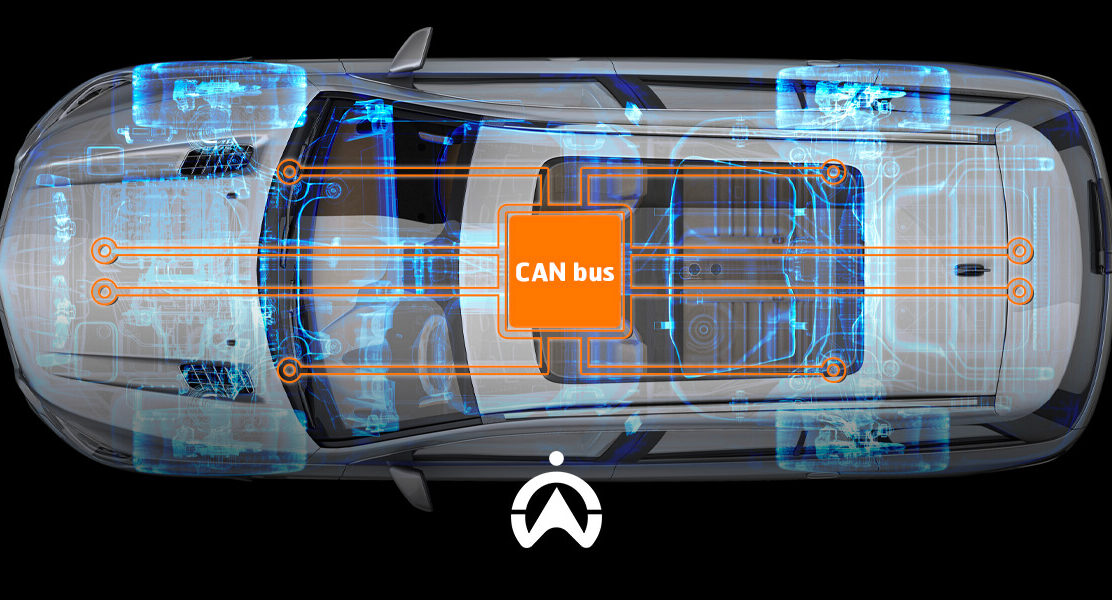
Imagine if your vehicle could tell you exactly what it needs, when it needs it and where it needs it. Better still, imagine if it could also tell you all of this without your help.
Well, with CAN bus, it does exactly that and much more.
Get ready to peek under the bonnet of your vehicles as we reveal everything you need to know about CAN bus.
In this article, you will:
- Learn what CAN bus is and how it enables communication between components
- Explore how CAN bus works, from protocols to message framing
- Understand the three main types of CAN and their influence on transmission speed
- Discover the advantages of a CAN bus network
- Discover the seamless integration of the solutions Cartrack Mozambique with CANBus
First of all, what is CAN bus?
Put simply, it is the digital language that allows the parts of your car to communicate effectively with one another.
CAN bus, short for Controller Area Network Bus, is like the car’s own signal or network that allows every component of the vehicle, from the engine to the brakes, to tune in and share information seamlessly.
This ‘communication’ allows your vehicle’s components or Electrical Control Units (ECUs), such as the engine, transmission and sensors, to share information in real time.
How does CAN bus work?
Instead of having one main component that gives the orders, CAN bus allows each ECU to communicate directly with the others. This is useful in cars and factories, as it ensures everything runs smoothly.
Within a CAN bus network, different features of a vehicle rely on the continuous exchange of information to ensure smooth operation. This collaborative communication is made possible by special wiring, where each component is fitted with a microcontroller, a small computer, that processes incoming messages and sends outgoing ones.
The communication process involves these main steps:
- Unified communication protocol
CAN bus acts as a language translator, ensuring that all parts can understand and communicate effectively with one another, allowing for a cohesive dialogue.
- Message framing
The information sits inside types of “frames” or data packets. Each frame contains details such as the identity of the sender, the nature of the message and the actual data payload. Think of it as a letter: the frame is the letter, the sender’s identity is the return address, the nature of the message is the subject line and the actual data payload is the content.
- Priority system
Some messages are more urgent than others, so CAN bus ensures that critical messages are sent first.
- Multi-access network
Unlike a one-to-one conversation, CAN bus allows several parts to speak at the same time. This ensures that everyone stays informed and that ECUs aren’t just waiting for their turn to “speak” and wasting time.
- Collision management
With all the parts “talking” at the same time, messages can sometimes clash with one another. If that happens, CAN encourages the components to take turns and try transmitting again.
To make this a little simpler to understand, think of the four process steps mentioned above as CAN frames:
- Data frame – the only frame for actual data transmission
- Error frame – contains nodes to detect errors
- Overload frame – is activated when there is a delay between the data and the remote frame
- Remote frame – a frame that requests information from a specific identifier
Understanding the message structure of the CAN protocol
Now that we’ve covered the journey from one ECU to another, let’s dig into the details of exactly what they communicate and the specific structure of their communication.
In a CAN bus system, the way messages are structured plays a key role in making communication between devices efficient. The protocol relies on a data frame format that includes several fields, such as the identifier, control field, data field and error detection mechanism.
Identifier: shows the importance of each message on the network. There are up to 2,048 different levels of importance and each message receives its own unique badge of importance.
Data field: this is where the actual information is carried, moving between nodes in small chunks.
Cyclic redundancy check (CRC): Acting as a built-in error detector, the CRC ensures reliable communication by detecting transmission errors and requesting a resend if necessary.
Acknowledgement slot: A single bit that receiving nodes use to confirm that they have received a message successfully or to point out errors that need to be resent.
Error frame: an optional part of CAN messages that allows nodes to flag when they detect a problem with their own messages or with messages received from other devices on the network.
Understanding three main types of CAN within the protocol’s message structure
The following three types influence the message structure of the CAN protocol in terms of speed and data transmission capabilities. See how each type differs from the others and how each one works.
- Low-speed CAN:
Often called fault-tolerant or ISO 11898-3, low-speed CAN operates at speeds of up to 125 kbps. It finds its niche in less critical systems such as body control modules, specifically door locks, interior lighting and window controls.
What makes it stand out? This CAN can still work, even if one wire on the bus decides to call it quits.
- High-speed CAN:
Also known as ISO 11898-2, this is a high-speed CAN that goes further, reaching speeds of up to 1 Mbps. Tailored for time-critical applications such as: – Also known as ISO 11898-2, this is a high-speed CAN that takes things up a notch, reaching speeds of up to 1 Mbps. Tailored for time-critical applications, such as:
– Electronic braking systems: Ensuring a fast and precise response to braking commands
– Transmission control: Managing gear changes in automatic transmissions. It has faster data transfer rates than its low-speed counterparts. However, it comes without the safety net of fault tolerance found in low-speed networks.
So, for example, in a car fitted with an anti-lock braking system (ABS), high-speed CAN enables fast communication between the ABS sensors and the braking system.
- CAN FD (flexible data rate):
Introduced by Bosch in 2012, CAN FD is an extension of high-speed networks with increased data rates, reaching up to 5 Mbps. It remains backward compatible with existing high-speed devices and systems.
Advanced driver assistance systems (ADAS): processing and transmitting data for features such as lane-keeping assistance and collision avoidance.
Infotainment systems: Handling high-bandwidth data for multimedia and connectivity features.
CAN FD can also be used to transmit and process sensor data for adaptive cruise control or automated parking.
The main advantage of this technology is the efficient transmission of larger payloads compared with traditional CAN, making it suitable for modern vehicles with increasingly complex electronic systems or advanced safety features.
The choice of which type of CAN to use is aligned with the specific needs of the applications, ensuring optimal performance and reliability in automotive and industrial contexts.
What are the advantages of a CAN bus network?
There are many reasons why CAN bus has become the preferred network architecture for modern vehicles and other complex systems.
Here are some of the main reasons why you might choose to use CAN bus:
Easy access: CAN bus provides ‘one point of entry’ for communicating with all the electrical control units (ECUs) – enabling central diagnostics, data logging and configuration.
Simplified wiring: Goodbye, spaghetti wires. CAN bus replaces the old maze of point-to-point wires with a single pair of twisted cables. This saves space and weight and simplifies maintenance, making cars lighter and easier to assemble.
Improved reliability: CAN bus is built to be robust. The protocol includes error detection and correction mechanisms, ensuring that messages reach their destination intact. This translates into fewer electrical faults and more reliable performance.
Scalability and flexibility: Adding new features becomes very easy with CAN bus. Nodes can easily be connected or removed without major rewiring, making it ideal for integrating new technologies and adapting to future advances.
Cost savings: Fewer wires, a simpler design and easier assembly translate into lower production costs. In addition, the system means less downtime and lower repair expenses, further benefiting manufacturers and owners.
Improved data sharing: CAN bus enables efficient communication between various automotive systems. Engine parameters, sensor readings and control commands flow freely, enabling features such as real-time engine adjustments, adaptive cruise control and even predictive maintenance.
Security: The fast, reliable communication of CAN bus plays a crucial role in systems for safety. Airbags can be deployed faster based on real-time braking data, and stability control systems can react instantly to prevent skidding.
Reduced energy consumption: The streamlined communication and efficient data sharing of CAN buses help to reduce energy consumption, leading to greater fuel efficiency and a lower environmental impact.
What’s more, the advantages of CAN bus go far beyond cars. It finds applications in many fields, such as aviation, medical equipment, industrial automation and even building management systems, making it a truly versatile and powerful communication technology.
What is MQTT and how is it linked to CAN bus?
Understanding the performance of our devices using CAN bus data is crucial, but it brings challenges such as high data rates and limited bandwidth. That’s where MQTT comes in.
MQTT, or Message Queuing Telemetry Transport, is a lightweight messaging protocol designed for devices with limited resources and networks with low bandwidth, high latency or poor reliability. Common in IoT applications, MQTT helps sensors, actuators and devices communicate efficiently.
In the CAN world, MQTT ensures that data flows smoothly from cars to the cloud, even when the network isn’t perfect
To set up this car data collection system, you can use tools such as EMQX or eKuiper. EMQX is a language specialist and eKuiper is like a data collector that gathers data from various sources such as HTTP, FileSystem, MQTT and CAN bus, ensuring everything is translated correctly.
What types of vehicles use CAN bus?
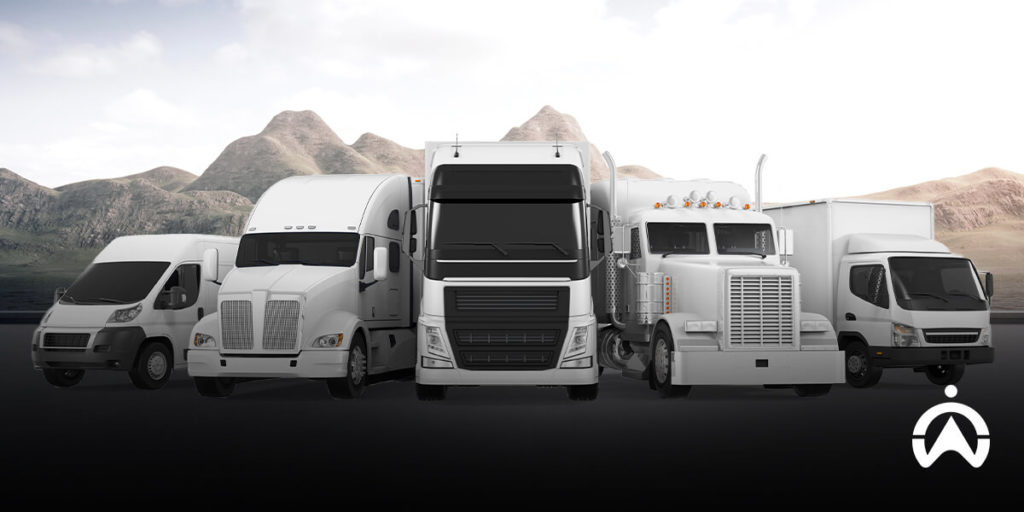
CAN bus isn’t exclusive to cars – it is the standard communication system in trucks, buses, ships, electric vehicle batteries, machinery and much more.
Advanced as this technology is, it has become the dominant network in most modern vehicles around the world produced after the late 1990s.
How you can tell whether your vehicle has CAN bus:
- Consult your car’s owner’s manual or the manufacturer’s website for specific information on the network architecture used. It usually contains information about the technology and features built into your specific model.
- Check the OBDII connector. This is a port in your vehicle used for diagnostics. If your car has one, it probably supports the CAN protocol (J1979). Most vehicles manufactured after 2008 have this port, usually located below the dashboard, near the driver’s seat. If your vehicle has this port, it is probably equipped with CAN bus technology.
Why should you use CAN bus for fleets?
For one thing, CAN bus stands out as a strong multitasking system that also has a fault-tolerant protocol. This helps to ensure that the software can accurately keep up with the demands of automotive applications.
Its simplicity, cost-effectiveness, reliability and adaptability to harsh environments collectively improve efficiency, safety and overall fleet management.
Here are the main reasons in favour of adopting CAN bus in fleet applications:
- Real-time monitoring:
Efficient data transmission: CAN bus enables real-time communication between various vehicle components, providing instant access to critical data such as engine performance, fuel consumption and diagnostics.
Improved fleet visibility: Fleet managers can monitor vehicle status, driver behaviour and operating parameters in real time, enabling proactive decision-making and an immediate response to problems.
- Comprehensive diagnostics:
Early problem detection: CAN bus enables continuous diagnostics, allowing the early detection of possible mechanical or electrical problems in fleet vehicles.
Proactive maintenance: Fleet managers can schedule preventive maintenance based on the actual condition of the vehicle, reducing the risk of unexpected breakdowns and minimising downtime.
- Fuel efficiency and emissions monitoring:
Optimised fuel management: CAN bus data provides insight into fuel consumption patterns, allowing fleet managers to identify opportunities to improve fuel efficiency.
Emissions compliance: Monitoring emissions-related data helps to ensure that fleet vehicles comply with environmental regulations, contributing to sustainability goals.
- Driver behaviour analysis:
Safety monitoring: CAN bus data includes information on acceleration, braking and speed, allowing fleet managers to assess and address risky driving behaviour.
Training opportunities: By analysing driver behaviour, fleet managers can implement targeted training programmes to increase safety and reduce the likelihood of accidents.
- Cost savings:
Predictive maintenance: Proactively attending to maintenance needs based on CAN bus data reduces the likelihood of major repairs, saving on repair costs.
Fuel efficiency improvements: route optimisation and addressing inefficient driving behaviour can lead to significant savings in fuel costs.
- Fleet optimisation:
Routing and logistics: CAN bus data helps to optimise route planning and logistics, improving overall fleet efficiency.
Asset tracking: Fleet managers can track the location and status of vehicles, improving the visibility and safety of assets.
- Data security and accuracy:
Secure communication: CAN bus protocols are designed with a focus on secure communication, ensuring the integrity and confidentiality of data.
Accurate reporting: Reliable CAN bus data supports accurate reporting for regulatory compliance, audits and performance reviews.
Our Cartrack Mozambique, a leading provider of vehicle telematics and fleet management, harnesses the advanced capabilities of CANBus to empower businesses in different fields.
Here are some headaches that a CANBus can help you avoid:
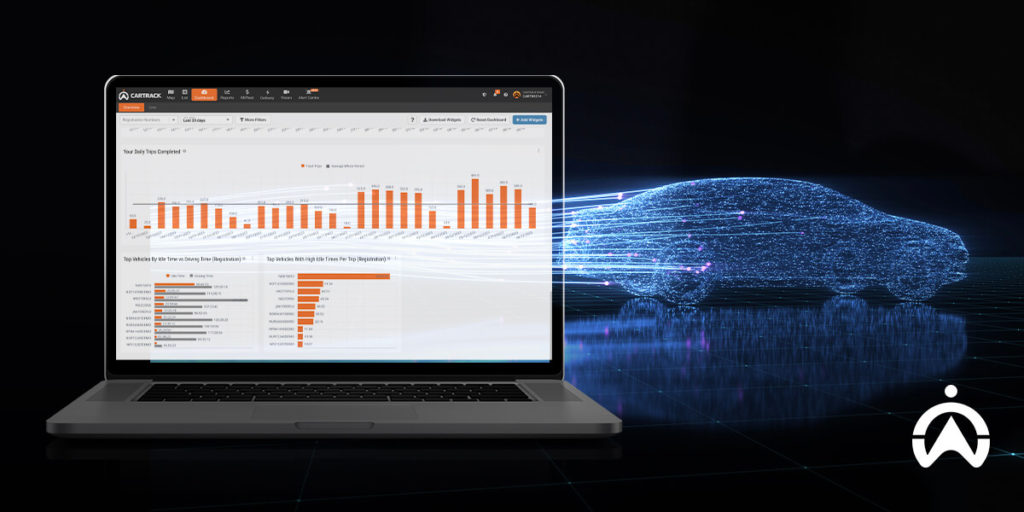
Data accessibility: One of the biggest problems with not having a CANBus system in a vehicle is the limit on the vehicle’s ability to transmit data accurately between various systems and devices. Cartrack Mozambique can integrate quickly with CANBus technology, bringing you real-time vehicle data and allowing fleet managers and businesses to log CAN data quickly to the cloud for easy access.
Safety concerns: CANBus allows businesses to monitor driver behaviour, including speeding, harsh braking and erratic driving, with accurate dashboard data showing vehicle speed, odometer, RPM, etc., downloaded in real time for analysis. Businesses can mitigate the risk of accidents and ensure the safety of their employees and assets.
Connection: Our technology works even in areas where GPS signals aren’t available, such as when driving in tunnels and underground car parks, making it a great asset for businesses in the mining sector.
Whether it’s monitoring temperature-sensitive cargo or ensuring regulatory compliance, Cartrack Mozambique and CANBus offer versatile solutions.
Integrate Cartrack Mozambique’s CANBus software into your business for better insights and efficiency
Cartrack Mozambique unlocks the potential of your fleet’s CAN bus systems, converting real-time data such as fuel consumption, driver behaviour, engine status, the safety of cargo and much more into actionable insights with ease. This allows your fleet to improve performance, accelerate productivity and maximise efficiency.
Understand what your vehicles are telling you and get started today with Cartrack Mozambique.
 South Africa
 Botswana
 Kenya
 Malawi
 Namibia
 Nigeria
 Swaziland
 Tanzania
 Zimbabwe
 Hong Kong
 Indonesia
 Singapore
 Malaysia
 Philippines
 Thailand
 New Zealand
 Vietnam
 Poland
 Portugal
 Spain
 United Arab Emirates

 PT