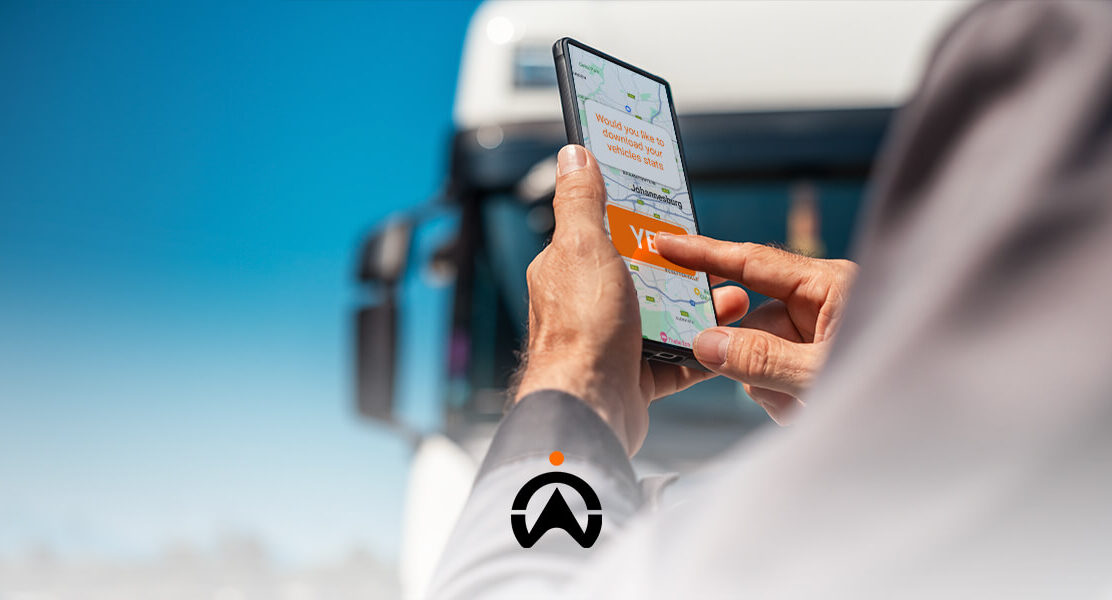
You may know the power of a smartphone, but what about the power of a smart fleet?
Say goodbye to tedious manual work and welcome automated fleet operations. How? With smart mobility and connected vehicles. No, these are not vehicles that are physically connected; they are simply smart vehicles.
But what exactly makes them smart, and how can your fleet unlock this? Let's find out.
In this article, you will:
- Discover what smart mobility is
- Find out what role it plays in effective fleet management
- Learn how connected vehicles are the key to fleet success
- Explore how Cartrack's solutions help achieve smart mobility through connected vehicles
What is smart mobility?
Smart mobility focuses on creating efficient, eco-friendly and convenient urban transit systems by integrating various advanced technologies and modes of transport. This revolutionary approach to transport goes beyond moving people and goods from point A to point B; it is about optimising the transport ecosystem for greater accessibility, safety and environmental responsibility. It works to secure a smarter, cleaner and fairer transport future for everyone.
What is smart mobility for fleets?
In a fleet context, smart mobility uses advanced technologies to optimise fleet transport systems and services. It involves using connected devices to collect real-time data on vehicle location, condition and behaviour. This data empowers fleet managers with actionable insights, helping them make informed decisions to optimise fleet operations.
What are the key aspects of smart mobility for fleets?
Smart mobility in fleet management is made up of a whole ecosystem of technologies and approaches that aim to revolutionise the way we get around.
Here are some key aspects of smart mobility:
- Telematics:
Telematics refers to the integration of telecommunications and computing technologies designed to collect, transmit and analyse data. It is an essential part of smart mobility in a fleet context, as it provides a comprehensive solution for in-depth fleet monitoring. Fleet management systems use telematics to track and monitor multiple vehicles, which provides valuable data on key fleet metrics such as driver behaviour and vehicle performance.
- Internet of Things (IoT):
IoT refers to the interconnected network of devices and vehicles equipped with sensors, software and connectivity. These interconnected devices and sensors work to collect and transmit data from vehicles, drivers and other fleet assets seamlessly. IoT technology in fleet management is important for real-time data monitoring. This data can then be analysed and used to optimise fleet operations, improve fleet safety, reduce operating costs and increase customer satisfaction.
- Artificial Intelligence (AI):
AI refers to the use of machine learning algorithms and predictive analytics to analyse the large volumes of data generated by telematics devices and sensors installed in vehicles. By collecting data from connected vehicles, AI technology helps fleet managers identify problem areas before they become an issue, create real-time coaching, optimise maintenance operations and increase driver safety and accountability.
- Data analysis:
Data analytics refers to the collection, processing and analysis of large, complex data sets to generate insights, patterns and predictions. This data can help improve many aspects of fleet management in several ways, including route optimisation, preventive maintenance, fuel efficiency and driver behaviour monitoring.
The main goal of smart mobility is to optimise fleet operations by integrating advanced technologies and innovative solutions. An important key to doing this is the integration of connected cars.
What are connected vehicles?
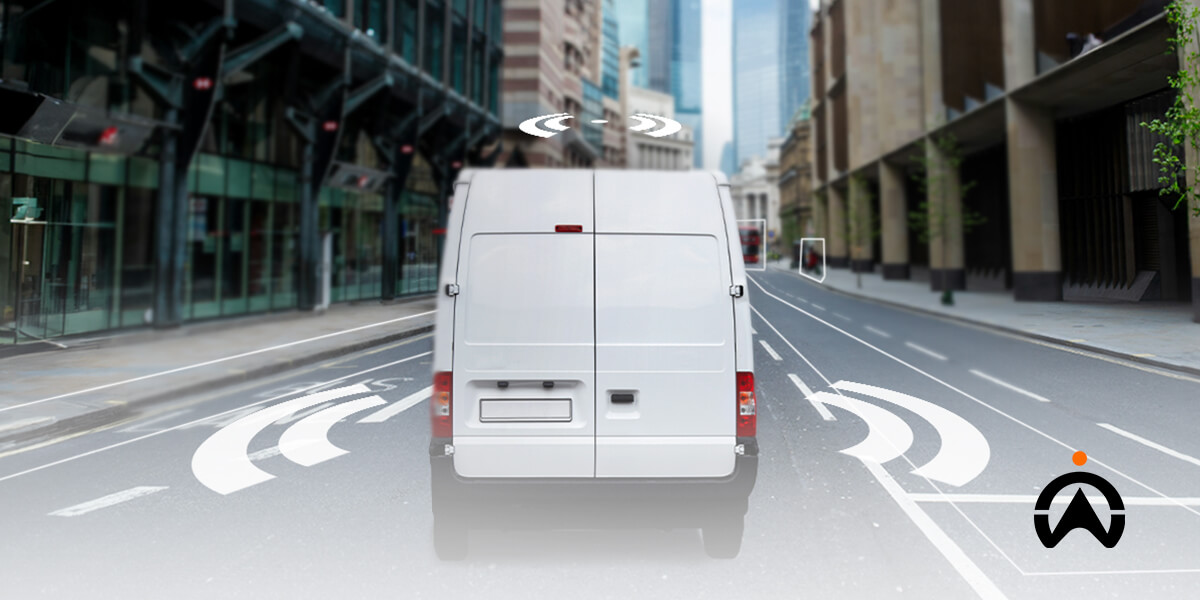
Connected vehicles, also known as “smart cars”, are vehicles integrated with advanced data and communication technologies. This allows them to collect and transmit real-time data on various aspects of their operations. advanced algorithms and artificial intelligence, fleet managers can optimise and improve the safety and efficiency of their operations. By making use of sensors and communication systems, connected vehicles can communicate with other devices and systems outside the vehicle, sharing data with other vehicles.
Why do fleets need connected vehicles?
The purpose of connected vehicles is not only to collect and transmit their data to the cloud, but also to record data from their surroundings. By using built-in sensors and communication technologies that allow continuous interaction between vehicles, infrastructure and systems for fleet management, these vehicles can help fleets achieve:
- Driving optimisation and efficiency:
By using real-time data, fleet managers can optimise operations in real time, avoid traffic congestion and identify the most efficient routes for deliveries or services. This real-time data also helps make predictive maintenance possible through continuous monitoring of vehicle health, allowing proactive maintenance or repairs before breakdowns occur.
- Increase your safety and compliance:
Connected vehicles make for better driver management by monitoring behaviours such as harsh braking, speeding or idling, which allows coaching and training interventions to improve overall fleet safety.
- Improving customer service:
Connected vehicles give customers visibility of the precise location and estimated time of arrival of their goods or services, promoting transparency and reliability.
- Improving fleet visibility and control:
Fleet managers get an up-to-date, comprehensive view of all their fleet's activities. This enhanced visibility allows precise tracking of their vehicles, real-time monitoring of schedule adherence and optimised routes for greater efficiency.
Is there a link between connected vehicles and electric vehicles?
The fleet industry is seeing the rise of electric vehicles and, yes, there is a link between connected and electric vehicles. These two technologies are intertwined and reinforce each other. Connected vehicles, which are always connected to the internet, enable features such as cloud updates, remote operation of vehicle functions and real-time data sharing.
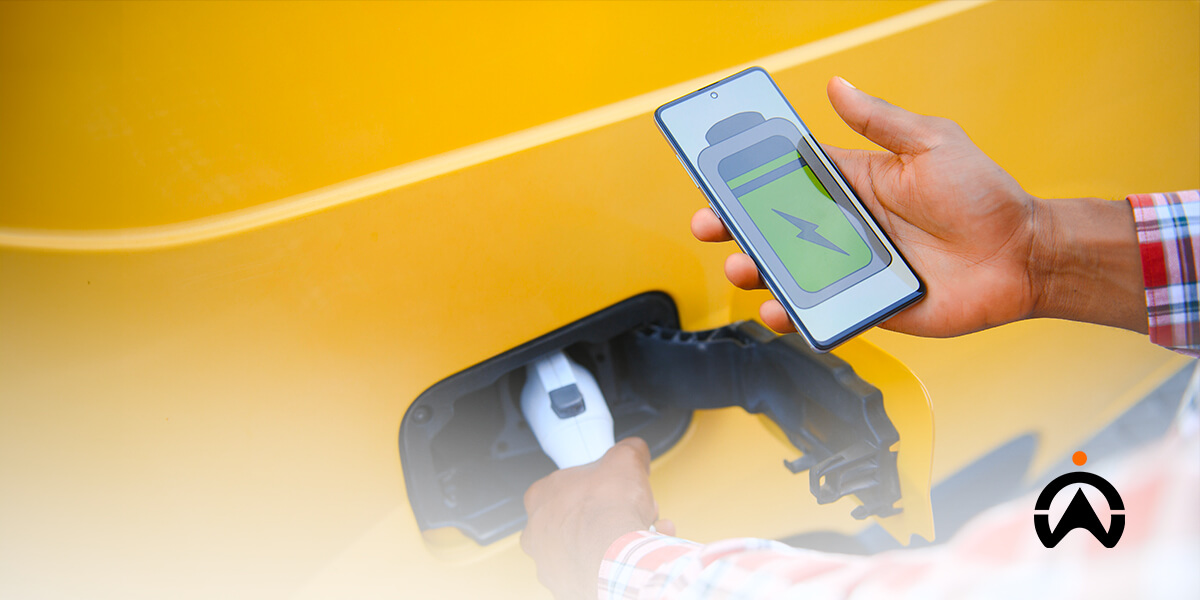
This connectivity is not only beneficial for traditional vehicles, but also plays a crucial role in the advance of electric vehicles, which are starting to dominate the fleet industry. For example, connected vehicles can give electric vehicle drivers essential information, such as the charging status, which helps them conveniently check the vehicle's battery level from their phones and create a charging schedule that suits their delivery schedules.
In addition, the emergence of autonomous vehicles and driver-assistance technologies, which are also closely linked to connected vehicle capabilities, could further improve the safety and performance of electric vehicles. This convergence of electric vehicles and connectivity gives rise to smart mobility solutions, which work to reshape the traditional concept of transport.
What role does smart mobility play in connected vehicles?
Smart mobility plays a crucial role in connected vehicles, using connectivity and advanced technologies to optimise transport systems, reduce congestion, increase safety and create a more sustainable future. Some of the main functions of smart mobility in connected vehicles include:
- Improving cooperative driving: V2V (vehicle-to-vehicle) and V2I (vehicle-to-infrastructure) communication is a technology we see in connected vehicles. It allows them to communicate with each other through short-frequency radio waves, which helps them exchange information about their speed, position and route planning. This plays a crucial role in preventing costly collisions. The result is a reduction in collision risks and the prevention of potential accidents, allowing for a more aware and responsive driving environment.
- Greater fleet safety: With connected vehicles, smart mobility fosters an environment of greater safety. The real-time communication capabilities between these vehicles significantly reduce the risk of accidents. The use of technologies to prevent accidents through real-time communication and the potential of driver-assistance technologies to reduce human error is one of the main causes of road accidents.
- Helps with accurate route planning: smart mobility solutions analyse data from various sources, such as GPS, traffic cameras and weather forecasts. This data-driven approach allows connected vehicles to optimise routes, minimise travel time, cut fuel consumption and ease traffic congestion, which directly affects the efficiency of connected vehicle operations.
- Seamless integration of electric vehicles (EV): The rise of electric vehicles calls for specialised integration strategies within connected vehicle fleets. Smart mobility platforms can help by conveniently guiding electric vehicles to charging stations and simplifying charging processes, scheduling them around the fleet's daily operations.
How does smart mobility optimise fleet operations?
Smart mobility has established itself as a transformative force that can be very useful in revolutionising the way operations are optimised and managed. Here is how it can help optimise fleet operations:
- Optimising travel routes based on real-time road conditions:
By using advanced technologies to plan efficient routes, taking into account factors such as traffic, road conditions and vehicle characteristics, smart mobility allows fast route planning and optimisation, which significantly reduces travel time and fuel consumption.
- Driver behaviour monitoring:
Smart mobility assists with driver monitoring and training by integrating telematics systems. These systems track and analyse driver behaviour, looking at aspects such as speed, braking patterns and driver behaviour. Insights into these behaviours help drivers improve their habits, promote safer practices and reduce the likelihood of accidents.
- Providing access to real-time GPS tracking:
By using real-time GPS tracking capabilities, smart mobility gives fleet managers precise visibility of the location and movement of their fleet vehicles at any time. This allows continuous monitoring, which increases the fleet's operational efficiency by optimising routes, improving scheduling, promoting safety and ensuring on-time deliveries.
- Encouraging data-driven decision-making:
Smart mobility uses data analytics to empower fleet managers with actionable insights. By analysing large volumes of data collected from connected vehicles, traffic patterns and performance metrics, informed decisions can be made about maintenance schedules, vehicle utilisation and resource allocation, leading to optimised fleet operations.
- Improving overall fleet safety:
Smart mobility prioritises fleet safety by incorporating advanced safety features and real-time monitoring. Through the integration of driver alerts, collision-avoidance systems and automated emergency braking, smart mobility plays a proactive role in reducing accidents and ensuring the safety of both drivers and vehicles.
- Keeping fleet vehicles healthy and functional:
Smart mobility makes preventive maintenance easier by monitoring the vehicle's condition in real time. Through predictive analytics and real-time monitoring, these systems can detect vehicle problems before they become serious. This minimises vehicle downtime, reduces repair costs and extends the life of fleet assets.
5 ways Cartrack Mozambique's solutions help you achieve smart mobility through connected vehicles
Make your fleet smarter with solutions from Cartrack Mozambique. Here's how:
- Preventive maintenance:
Keep your fleet healthy with preventive maintenance. As an integral part of its platform for fleet management, Cartrack Mozambique's preventive maintenance uses telematics and real-time vehicle diagnostics to enable proactive maintenance. The technology provides real-time alerts on engine faults, worn brake pads and oil and water fluctuations, allowing fleet managers to schedule vehicle maintenance pre-emptively. By automating maintenance schedules and providing instant alerts, the platform helps you maintain the health of your vehicles and minimises unplanned downtime. This proactive approach to maintenance aligns with the principles of smart mobility, as it uses real-time data and advanced telematics to optimise vehicle health, increase safety and avoid disruptions, leading to a more efficient and sustainable fleet.
- AI-powered cameras:
Make sure your drivers are operating at their best with Live Vision AI cameras from Cartrack Mozambique. This is a cloud-connected video management solution that increases driver safety and provides real-time monitoring and alerts for drivers and fleet managers. Powered by IoT (Internet of Things), this AI-powered live-streaming technology offers 24-hour interior and exterior visual access to your vehicles. Equipped with preventive in-cab voice alerts, these cameras immediately notify your drivers of distracted or dangerous driving behaviours (such as speeding, mobile phone use, smoking and frequent yawning, which may indicate fatigue). These real-time alerts help your drivers correct their behaviour immediately, preventing accidents and injuries. You can remotely access event-based footage on demand, helping you assess individual driver behaviour and identify specific areas for improvement.
- Advanced driver assistance system:
Ensure your drivers are always aware of their surroundings with Cartrack Mozambique's Advanced Driver Assistance System. By using sensors and cameras strategically placed around a vehicle, ADAS can record data about a vehicle's surroundings, including obstacles and other vehicles. The data collected is processed in real time and used to identify potential risks or hazards on the road, using safety features in real time. These include forward collision warning, which alerts drivers when they are approaching an obstacle or another vehicle too quickly, helping them avoid rear-end collisions. Other safety features include adaptive cruise control, which automatically adjusts the vehicle's speed to keep a safe distance from the vehicle in front; blind spot detection, which alerts drivers to vehicles in blind spots, helping to reduce the risk of lane-change accidents.
- Live, real-time GPS tracking:
Get full visibility and control of your fleet with real-time GPS tracking from Cartrack Mozambique. This technology is essential for your fleet's smart mobility, as it helps you monitor it in real time, providing maximum security for your vehicles and goods. Our solutions use GPS (Global Positioning System) technology, which helps you know exactly where your vehicles and drivers are in real time. This unrivalled insight provides information on important metrics such as distance travelled, break durations and idle times, which can be used to encourage data-driven decision-making.
- Route optimisation:
Avoid travel delays with Cartrack Mozambique's route optimisation feature. Available through our Delivery app, route optimisation helps reduce travel delays, cut fuel consumption and maximise fleet productivity. By analysing distance, travel time and real-time traffic and road conditions, this feature helps you find shorter routes without detours for your drivers, so they can complete tasks/deliveries in good time.
Turn all your vehicles into connected vehicles with Cartrack Mozambique's fleet management solutions
Harnessing the power of smart mobility may seem a little complicated and technical, but with Cartrack Mozambique it has never been easier.
Contact us today and let's turn your fleet into a connected fleet.
 South Africa
 Botswana
 Kenya
 Malawi
 Namibia
 Nigeria
 Swaziland
 Tanzania
 Zimbabwe
 Hong Kong
 Indonesia
 Singapore
 Malaysia
 Philippines
 Thailand
 New Zealand
 Vietnam
 Poland
 Portugal
 Spain
 United Arab Emirates

 PT