Easy ways to make your business thrive with a fleet management SaaS solution
Published
Reading time
15 minutes
Blogs
According to Gartner, the SaaS market is worth more than US$ 195 billion in 2023. 53% of organisations are implementing it, and the rest will soon join the movement.
It’s no wonder. SaaS products help businesses make their operations extremely efficient and productive.
If you are in the fleet game, you can win with a fleet management SaaS solution. It lets you manage your drivers, vehicles, administration, services, maintenance, fuel consumption and much more.
It’s a real game changer once you understand everything it is capable of. That’s where we come in:
Find out what exactly SaaS, or Software as a Service, is
Learn how software as a service works
Discover 6 reasons why SaaS products are smart for business
Learn how a vehicle tracking and fleet management system works
Discover 8 reasons why the SaaS solution for fleet management from Cartrack is the best one for you
Software as a service, or SaaS, explained
SaaS is part of almost everyone’s daily life.
In short, SaaS is a software distribution model or application hosted by a cloud provider and made available to end users over the Internet.
There are two types of hosting model. An independent software vendor (ISV) may contract a third-party cloud provider to host the application. Or, in the case of larger companies, such as Microsoft, the cloud provider may also be the software vendor.
In addition, SaaS is one of the three main categories of cloud computing, alongside infrastructure as a service (IaaS) and platform as a service (PaaS).
The products range from personal entertainment, such as Netflix, to advanced IT tools and, of course, fleet management software platforms – all of which can be used by IT professionals, business users or personal users.
How does software as a service work?
As we know, SaaS works through the cloud delivery model, and many benefits come with that.
Firstly, you won’t have the job of setting up and maintaining the software. Secondly, you only need to pay a subscription fee to access the software, giving you a solution with the flexibility to change your mind.
And let’s not forget, you won’t need to install hardware on your computer, which you would have to update constantly, or pay upfront fees. The application is at your disposal and easy to access on any device with a network connection.
As a paying customer, you will have network-based access to a single copy of an application that your chosen provider created specifically for SaaS distribution.
The application’s source code is the same for all customers, and when new features are released, they are rolled out across the board.
It’s like buying a ready-made loaf of bread.
Depending on the service level agreement you have with your provider, the data may be stored locally, in the cloud or both.
It can also be integrated with other software using application programming interfaces (APIs). For example, use your own software tools to integrate with the SaaS provider’s APIs.
SaaS architecture
The application runs on a single version and configuration across different customers, which is called the multi-tenant approach. There will be common infrastructure shared between several customers; however, each customer’s data will still be kept separate.
This means the cloud service provider can manage maintenance, updates and bug fixes much more quickly, easily and efficiently. Any changes needed will be implemented for all customers, in one shared instance.
All of this without compromising important cloud functions, such as security, speed and privacy.
According to technology industry analysts, we can expect to see more development in SaaS products, reaching a value of almost 200 billion dollars by 2024.
The benefits are clearly there and speak for themselves, so let’s get them talking to youus to know how it all works? Let’s dive right in.
6 reasons why SaaS products are smart for business
Less chaos and more organised tasks. Every part of your business can be organised in one place and on one dashboard that provides actionable data insights. From here, you can organise daily tasks through calendar schedules, task updates, automatic replies, analytical reports, automated workflows or by setting up task lists for your team members.
Save time through automation. There is no need to deal with piles of paperwork or endless spreadsheets when you can digitise and streamline your processes. Receive automated task alerts and reports, sent to your inbox at the exact times you want. Cut down on repetitive daily activities or tasks, so you can get on with other, more pressing work and not waste time on tasks you have already done.
More flexibility and freedom. The nature of business is not linear, and SaaS products are designed for that, because you will have the flexibility to adapt to constantly changing events and business requirements. For example, you can upgrade or downgrade your package at any time, as you will not be tied to a fixed contract. As a result, you can change products as your business needs vary.
Reduced business costs. When your tasks are automated and efficient, you and your employees will avoid unnecessary work. This will directly influence your business expenses. It may include reducing the need to hire additional staff, saving money on recruitment costs. Or perhaps you will eliminate a particular process that costs you money. In addition, with its built-in functionality, you will not incur any extra costs in building your own additional infrastructure – saving a lot of money.
Improved actionable decisions. A SaaS platform gives you access to more data, analysis and insights so that your business can grow and improve. Without it, you could fall behind your competitors. You can identify the cause of problems and see exactly what is happening across different locations, departments and systems. All of this will help you make important business decisions, assess productivity levels and see what works and what doesn’t.
Room for business scalability. As you expand your business, you may need additional staff to handle more orders or to open other branches in different locations. SaaS lets you manage your workload, productivity and deadlines, and gives your employees the tools to manage their tasks better, equipping them to meet the ever-growing demands of the business.
SaaS business models are transforming the fleet sector for fleet managers. How?
Let's get straight to it.
Fleet management software and solutions explained:
Insights from Fortune Business Insights reveal that the size of the global market in software for fleet management is projected to reach US$ 67,38 billion in 2029.
Our fleet management refers to managing every aspect of a fleet’s operation, including drivers, vehicles, cargo and all the fleet tasks that need to be done on time and around the clock.
Vehicle financing, maintenance, vehicle locations, vehicle trip history, fuel consumption levels and driver behaviour – these are just some of the insights fleet managers need to manage a fleet successfully and profitably.
To do all of this at once and efficiently, fleet software solutions are the answer, and it is data insights that will get you there.
These are just a few solutions that will help you increase fleet efficiency, driver performance and productivity, as well as save on business costs:
Real-time location information and vehicle visibility
Driver behaviour data to identify driving patterns
Fleet maintenance information to know when to service vehicles, avoiding unexpected stoppages
Vehicle or machinery usage data to calculate employees’ actual working hours
Fuel insights to identify whether there is theft or poor fuel consumption
How does a vehicle tracking and fleet management system work?
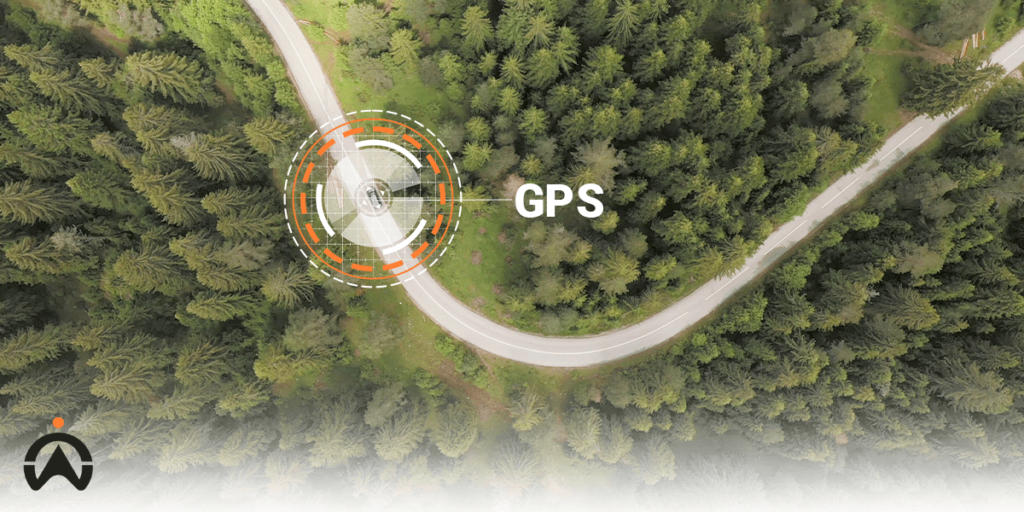
A GPS (global positioning system) receiver is installed in the vehicles, to monitor where the vehicles are and identify their geographical location. It connects to a network of satellites within the Global Navigation Satellite System (GNSS) network.
This network consists of satellites that communicate with GPS devices to provide information on the tracked vehicle’s current location, direction, time and speed.
Typically, a GPS tracking system will use the same technology that mobile networks run on, called the Global System for Mobile Communications (GSM).
The data is then collected and transmitted in real time to fleet software or to the cloud, over an Internet connection.
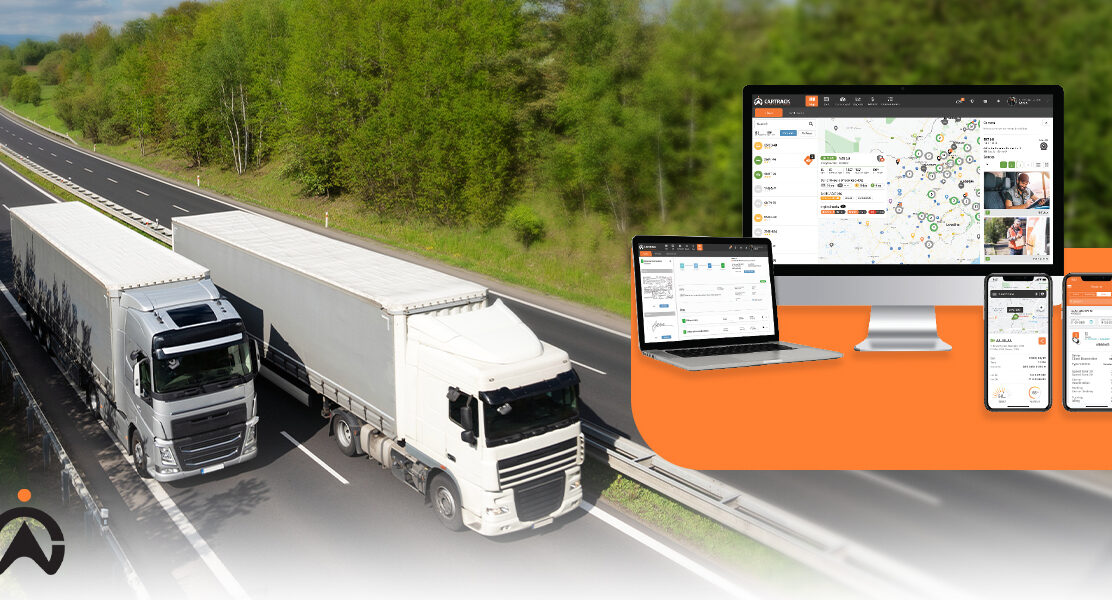
Here, you will have access to the fleet dashboard and a bird’s-eye view of your fleet operation.
Interesting, right? Well, sit back and enjoy the benefits that come with it:
8 benefits of the SaaS solution for fleet management from Cartrack for your business
What is the best fleet management software solution? The one that provides smart data, making you the master of your operation.
What exactly? Let’s find out:
Workforce optimisation and improved workflows
With the platform Cartrack, customers report 80% more improvement in workflows and 30% less time spent on tasks because there is less miscommunication and lost paperwork in their business. Allocate your staff and resources, monitor team attendance and comply with changes in workplace laws – to keep your workforce flowing. One way to do this is with the work log reports and driver ID tags from Cartrack to manage your drivers on the road. They only need to tap the sensor on the vehicle or machine with their unique tag to start or stop operating it. This will help show the actual hours worked. These times are then transmitted to the fleet platform, giving you full visibility of driver attendance, so you can pay wages accurately.
Monitor fuel costs and consumption
Another big win for the fleet platform is that customers report a 10% reduction in fuel consumption across their whole fleet. This is a major saving for two reasons: one, you have many vehicles and, two, fuel is one of your biggest expenses. Typically, Cartrack installs a CANbus device in the vehicle, also known as CANbus integration. This will be integrated with the vehicle’s on-board fuel sensors and the ECU (electronic control unit). The platform will then be able to retrieve all the vehicle’s fuel-related information, such as fuel consumption per vehicle, as well as the litres used per kilometre. If there is a sudden rise in fuel consumption, the MiFleet feature from Cartrack will provide financial reports on it.
For example, you may be using a higher volume of l/100 km than on previous trips. MiFleet will flag this along with any other discrepancies. You can then investigate the possible reasons for the fuel waste, which could be down to poor driving behaviour, inefficient vehicle maintenance or fuel theft. Common types of fuel theft include siphoning, fuel card fraud and false fuel card transactions. Identify the “which”, the “how” and the “why” – to avoid wasting fuel
Your assets are the lifeblood of your fleet, which is why they need to be kept secure, and even more so if you are transporting valuable cargo. This helps reduce business downtime and costly asset expenses. In South Africa, truck hijackings increased by 36,8%, further underlining the need to protect your vehicles against theft. Use the fleet platform to know where your vehicles are 24 hours a day. If one of your vehicles is stolen, the experienced air and ground recovery team from Cartrack has a 92% recovery rate, so your fleet is in good hands.
Effective vehicle maintenance
According to fleet experts, asset depreciation can reach 53% for fleet managers, and maintenance costs can account for 9% of expenses. If a fleet is well maintained, with timely scheduled servicing, these costs can fall quickly. To tackle asset depreciation in a fleet effectively, managers need to take steps to increase the longevity of their vehicles. With all of that in mind, you will want the maintenance insights a fleet platform can offer. For example, receive alerts when your vehicles need repairs and maintenance, and get important vehicle diagnostics, such as worn brake pads, oil leaks and much more. Receive timely alerts on when to service your vehicles and create effective maintenance plans to avoid costly breakdowns. And most importantly, you will avoid unnecessary stoppages and keep your business moving at all times.
Automation and digitisation
It is not always possible to attend to every area or problem in your business at once, so why not use fleet technology, which helps digitise and automate your processes? Automatically receive actionable data reports in your inbox when you need them, at the exact time you want, and you can customise them too. Also receive live alerts and notifications on maintenance, fuel consumption, idling and much more, so you can make instant decisions in real time. With alerts, you will know if something goes wrong, removing the guesswork from your operations and keeping you up to date on the progress of daily tasks. The result is automated, streamlined business management activities, so that you have less admin and red tape and can focus on more pressing tasks.
What is a business without an efficient workforce? And in a fleet, it is your drivers who will get your goods from A to B, in one piece and on time. The driver behaviour information from a fleet management platform will give you control over driver management. AI-powered camera technology tracks all your drivers’ behaviour in real time, alerting them audibly when it detects any form of dangerous or distracted driving behaviour. This can be anything from speeding, harsh braking and sharp cornering to distracted driving or yawning. They can then quickly correct any poor driving in real time, which not only makes your drivers safer but also helps them become more responsible. You can then use the powerful insights you get from driver behaviour scorecards to educate and coach your drivers on best driving practices, creating a culture of safe driving in your business.
Secure operations
If sensitive and confidential data falls into the wrong hands, there could be serious consequences for your business. Examples include criminals gaining access to physical data, such as the location of your vehicles and cargo, which can lead to potential asset theft. Or if they access your customers’ digital data and personal information, it could lead to a possible lawsuit and reputational damage. There may also be concerns about transferring data from your server to the cloud and keeping it protected against cyber attacks. You don’t need that kind of stress on your plate. With a SaaS fleet platform, your information is kept safe and sound. It is managed by cloud experts who use the latest security practices and technologies and constantly monitor the infrastructure for problems of any kind.
Customer satisfaction and business growth
When you use a SaaS solution to improve every part of your fleet, the result is satisfied customers and a business model that works. There are so many areas of a fleet that can affect customer satisfaction. Perhaps it is using the platform to improve communication with your drivers and optimise delivery routes, so that your customers receive their orders quickly and you can mitigate delays. Or you can use it to keep your fleet safer, so that your customers' goods are better protected and you can offer better customer service. Word travels fast. You may get more customer referrals, increasing your profits, or you may be able to improve customer retention. That sounds like a recipe for a stable, profitable business that keeps on growing.
Ready to take your business forward with SaaS?
SaaS fleet solutions support thousands of fleet operations around the world. Looking for one? Fortunately, Cartrack is here to offer you the best fleet solution, trusted by more than 1.7 million users worldwide.
Other articles for you
Food Transport Facts and What You Need to Know When Managing Your Fleet
Blogs
11 minute read •
Important facts about food transport in fleet management: keeping perishable goods fresh in transit directly affects your profits — and mixing food loads is a serious mistake. Other facts include the food distribution regulations in force in Mozambique, the challenges of electricity supply and the […]
7 Ways to Increase the Efficiency of Your Construction Fleet
Blogs
12 minute read •
The seven main ways to increase the efficiency of your construction fleet are: Use telematics and GPS tracking to keep everything under control. Keep vehicle maintenance up to date.. Implement a fuel monitoring solution. Offer your drivers ongoing training. Plan better routes between sites. Match the size of the fleet to […]
How to Manage Your Light Commercial Vehicles (LCVs) Effectively with Fleet Management Software
Blogs
12 minute read •
To manage your light commercial vehicles effectively with fleet software, you should invest in a platform that directly addresses the biggest challenges LCVs face. LCV fleets deal with unique vulnerabilities because of their frequent trips. Wear and tear, wasted fuel, unexpected downtime and more are some of the main concerns. LCVs are […]
 South Africa
 Botswana
 Kenya
 Malawi
 Namibia
 Nigeria
 Swaziland
 Tanzania
 Zimbabwe
 Hong Kong
 Indonesia
 Singapore
 Malaysia
 Philippines
 Thailand
 New Zealand
 Vietnam
 Poland
 Portugal
 Spain
 United Arab Emirates

 PT